Where to Plug AI Into Your Business (and Where Not To)
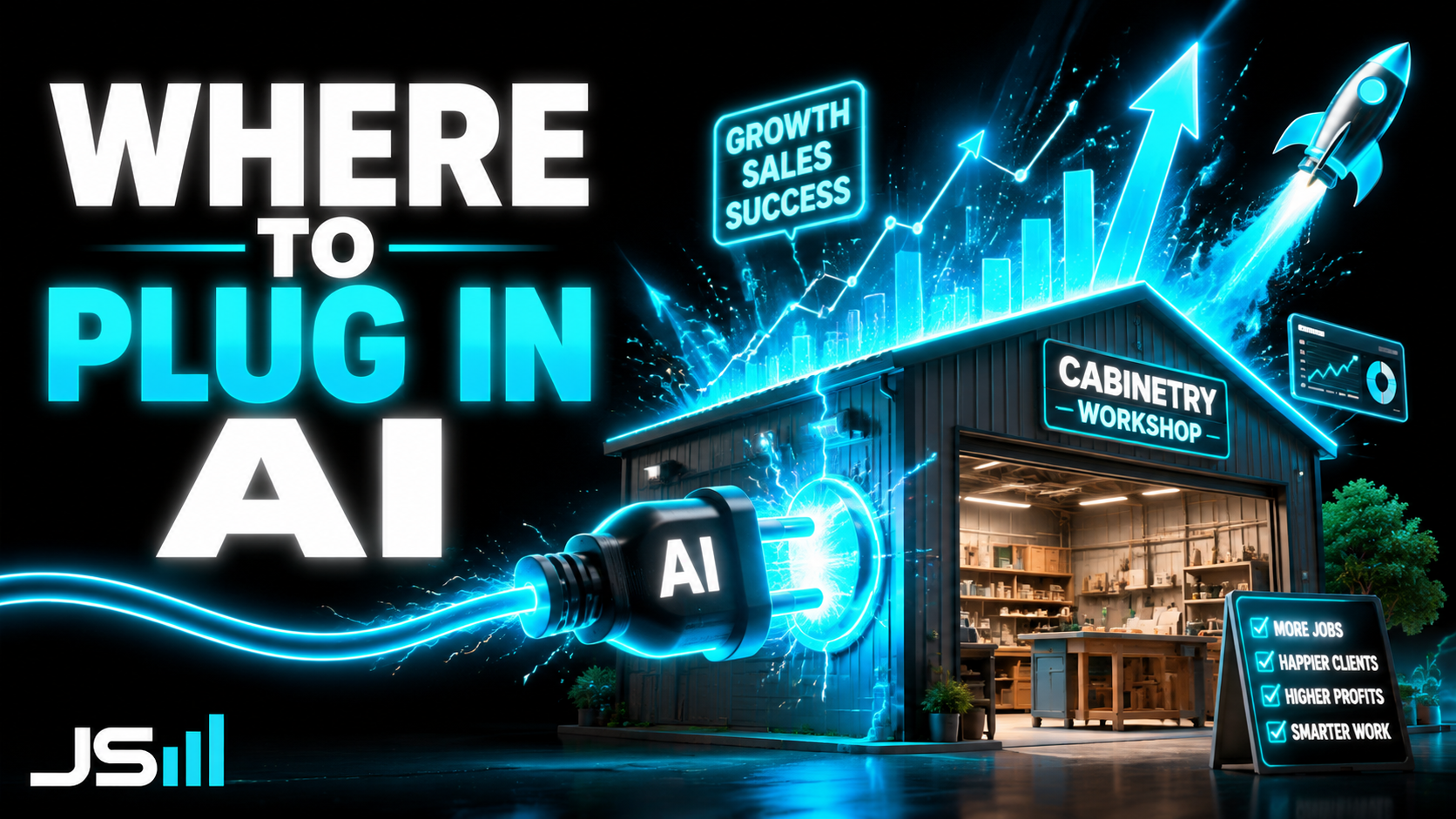
My client Shane runs a cabinet shop. Before we started in March, he was doing around $600-700K a year and had never cracked a million. This year he's on pace for $1.3M. What changed? We plugged AI into the five spots where it actually moves the needle: a website that converts (with a blog driving 78% more views), social media on full autopilot, a real CRM, Facebook ads at about $12.40 a click-to-call versus a $40-60 industry norm, and an AI receptionist that catches after-hours calls. And the one place we deliberately did NOT plug it in: the white-glove human touch. AI handles the busywork so Shane can close the $40K job himself. That division of labor is the whole game.
I got on the phone with my client Shane the other day. He runs a cabinetry shop, and we started working together back in March. Before that, his shop was doing somewhere around $600-700K a year. This year? He's on pace to break $1.3 million. He's never cracked a million in his life.

So what changed? Two things. One, my amazing company started working with him (I'm contractually obligated to say that, and it's also true). And two, we plugged AI into his business in the spots where it actually moves the needle, not the spots where it just looks cute on a corporate slide deck. That distinction is everything. It's the reason 94% of AI initiatives fail. So let me show you the five places we plugged it in, and the one place we deliberately didn't.
1. The website that actually converts
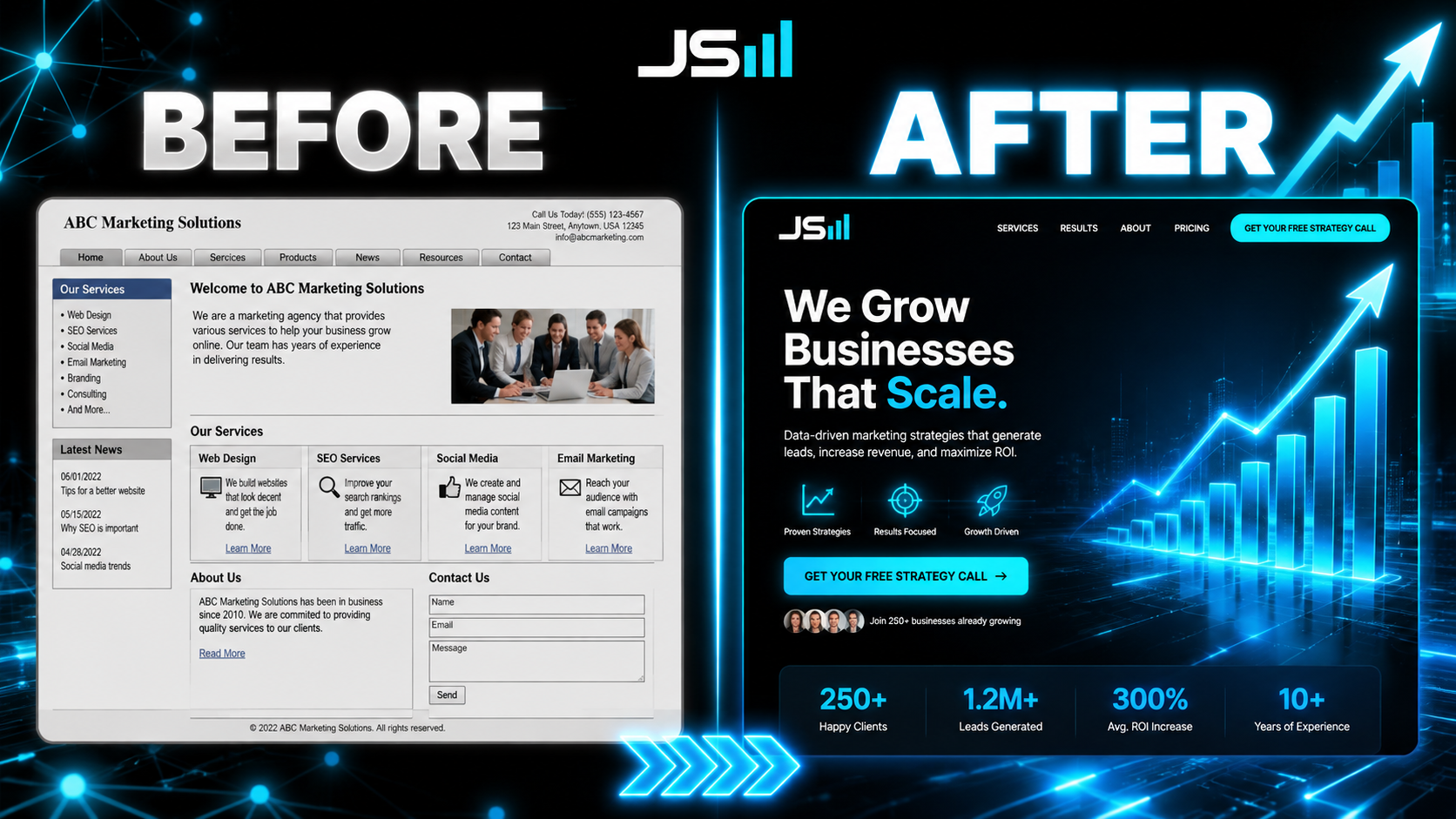
The easiest fix first. Shane had an old website that was never built to convert. No blogging, clunky design, and he was paying some guy $250 a month for it. In all that time it had generated exactly zero measurable phone calls. Not "a few." Zero.
We rebuilt it into something designed to turn visitors into calls, and we added a blog. When we analyzed our portfolio, sites with blogs pulled 78% more views, so that blog isn't decoration, it's traffic. We built the website for Island Cabinets, and it runs Rank, our AI blogging agent, on autopilot.
2. Social media on full autopilot
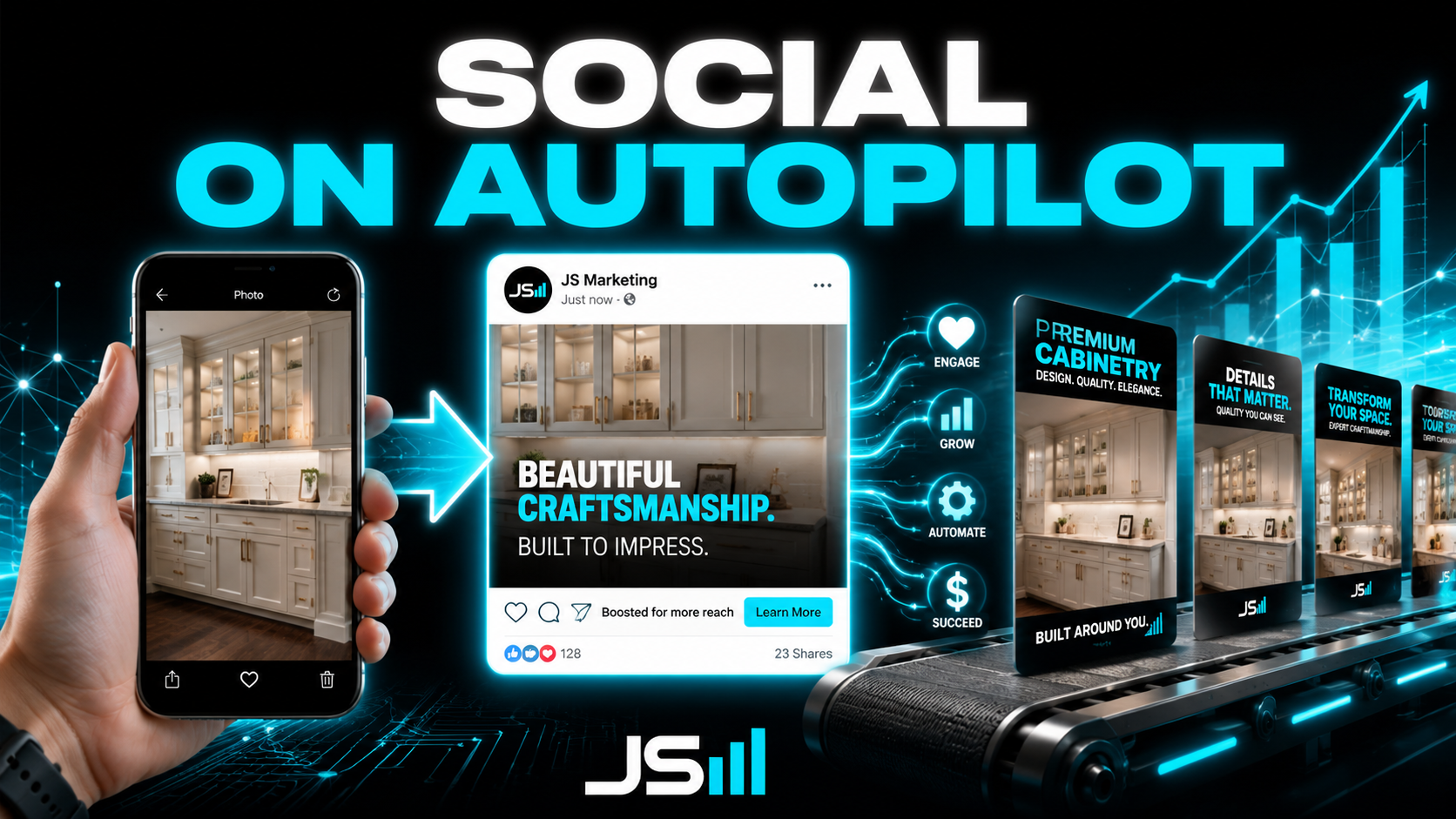
Next we took his organic social media completely off his plate. Here's how simple it is on his end: through our ASP tool, Shane uploads a photo of a finished job and jots a quick note about it. The AI writes a caption that actually sounds like him and turns it into a beautiful, ready-to-post piece of content.
On top of that, he's on our done-for-you Graphics service, so polished flyers promoting his services go out automatically, and on Echo, our AI avatar service. His entire organic presence runs without him lifting a finger. That's a $10 task he never touches again.
3. A CRM that ties it together
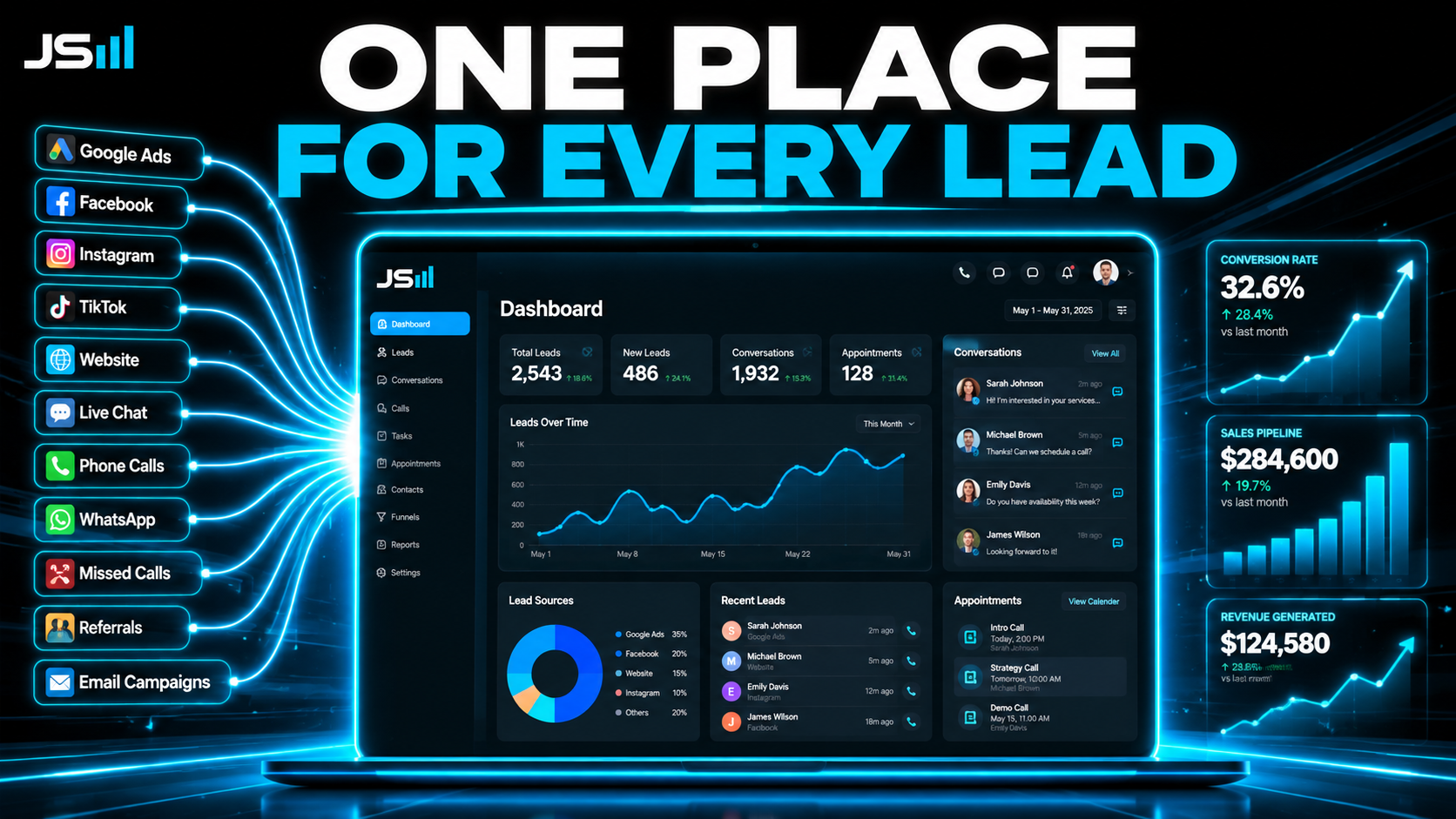
All of this feeds into our CRM, HyppoCRM, so every lead and conversation lives in one place instead of scattered across sticky notes and a phone. Quick plug, because why not: the base version is genuinely free. Go grab it at hyppocrm.com.
4. Facebook ads, iterated at AI speed

Now the fun part. We run Shane's ads on Facebook, not Google, and if you've read why Google Pay-Per-Click is dead, you know why. We ran a clean split test and Facebook produced 7.5x more phone calls for the same spend.
Here's the trick with ads: the only way they work is if you iterate on your creative fast, constantly refreshing it before it goes stale. And I'll be honest, I am not graphically gifted. I make an absolute horror show in Canva. But with AI, we generate and test ad creatives dramatically faster than any human doing it by hand ever could. That speed is the whole edge.
The result? For a home-services business, the typical cost per lead runs $40-60, and for cabinetry I'd argue it should run even higher, since the jobs are big-ticket and less frequent than, say, an HVAC tune-up. Shane's inbound click-to-calls came in at about $12.40 each. Do that math. He's paying roughly a quarter of the industry rate to make the phone ring.
5. The AI receptionist that stops leads from leaking
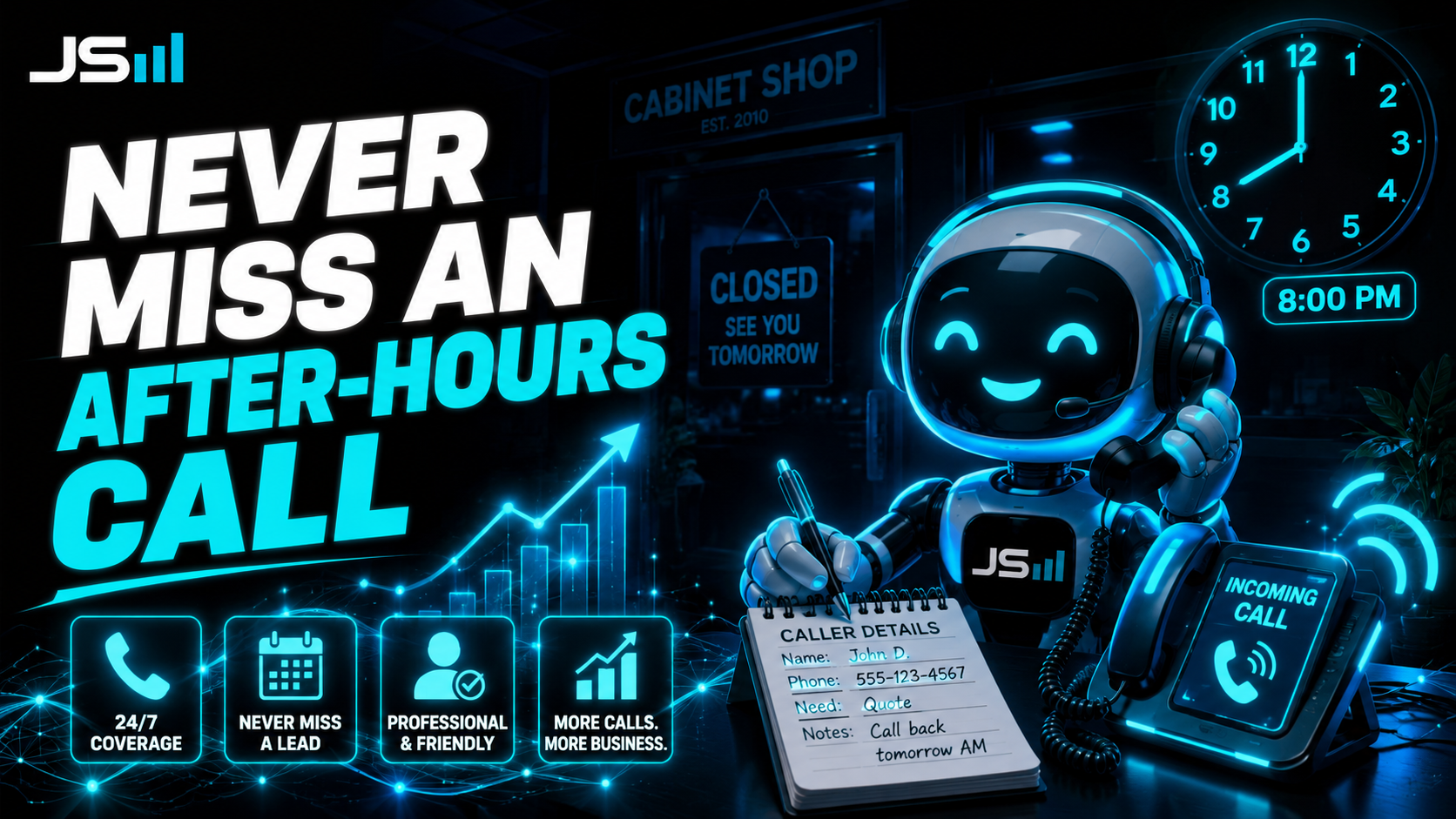
Last one. When you run Facebook ads, people do wild things like call the local cabinet shop at 8pm. If nobody picks up, that lead is usually gone for good. So we installed our AI receptionist. It answers, captures the caller's info, books them for a showroom consultation if they're ready, and shoots the details straight to Shane to follow up. Leads that used to vanish after hours now get caught every time.
Combine all five, better site, autopilot content, a real CRM, cheap high-volume ads, and a receptionist that never sleeps, and you get a shop on pace to nearly double its best year ever.
Now, where NOT to plug in AI

Here's the part the hype crowd skips. There's one thing we very deliberately left in human hands: the white-glove touch.
This is the hill I will die on, and I've written it more times than I can count: you never take the human out of the loop. Notice what the AI receptionist actually does, it grabs the info and hands it to Shane. It does not try to be Shane. The entire point of automating the tedious stuff is to free him up to do the thing only he can do: call that customer back personally, talk through their kitchen, and give them the real human treatment that closes a $40,000 job.
AI handles the busywork. The human handles the relationship. Get that division of labor right and you don't just cut costs, you grow. Get it backwards, try to automate the handshake, and you become another one of those 94% failures.
The takeaway
AI isn't a magic wand you wave over your whole business. It's a set of very specific plugs for very specific sockets: your website, your content, your CRM, your ads, your after-hours calls. Plug it into those, keep your human hands on the relationships, and the results speak for themselves. Just ask Shane. Or better yet, ask his revenue.
Want AI plugged into the right spots in your business?
We find the places it actually moves the needle and leave the rest to you. That's what we do at HyppoAI.
Want to talk about what you're building?
Get in touch