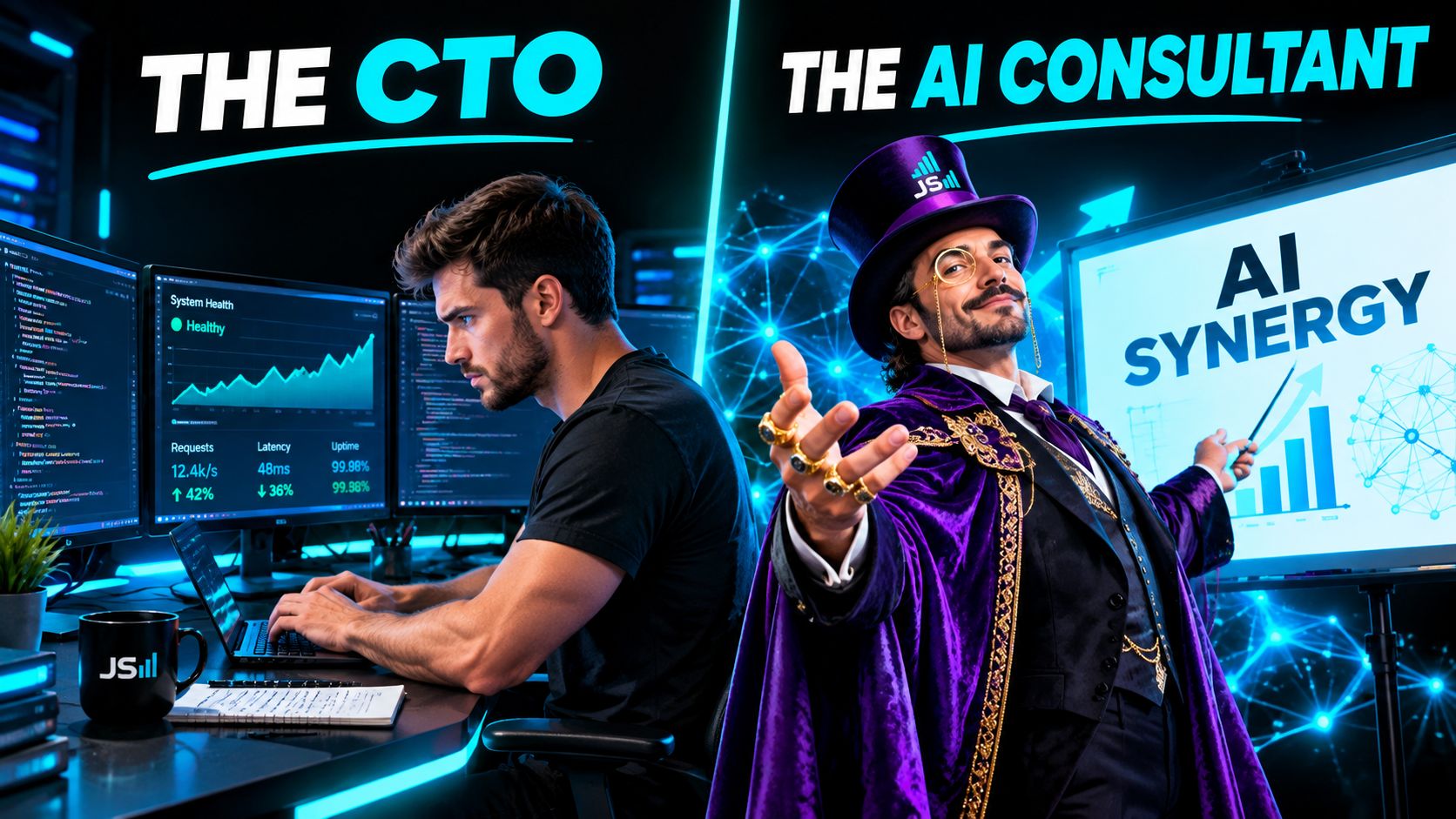
The CTO Just Became the Most Valuable Seat in the Building

I just argued that AI makes experts insanely valuable and deletes everyone under them. Here's the seat that gains the most. For twenty years the CTO's job was bottlenecked by the slow, boring part: writing the code. AI just removed the bottleneck. Now the person who understands the machinery, and knows exactly where NOT to point AI, can turn every other expert's knowledge into a working system in a week. That seat used to be boring. It isn't anymore.
Let me get the obvious objection out of the way. Yes, I'm a technical founder. Yes, I'm about to tell you the technical seat is the one that matters most now. Roll your eyes, then stay with me, because I'm going to show my work.
In my last piece I made the case that AI doesn't replace expertise, it makes expertise insanely valuable and deletes every job underneath it. The CMO survives because he knows exactly what an HVAC owner clicks on. The COO survives because he knows exactly which process is broken. The junior people doing the manual work underneath them don't.
This piece is about the seat that gains the most from that shift. And it's the one that, until about two years ago, was honestly kind of boring.
What the CTO's job used to be
Strip the title down and a CTO does two things: technical strategy and technical execution. Decide what to build and how. Then get it built.
Here's the dirty secret of the role. The strategy half was always a small slice of the week. The execution half ate everything. Writing code. Migrating systems. Chasing bugs. Reviewing the junior devs' pull requests. Explaining to the CEO why the thing that sounded like a two-day job is a two-month job. The CTO was a bottleneck with a nice title, and the bottleneck was typing.
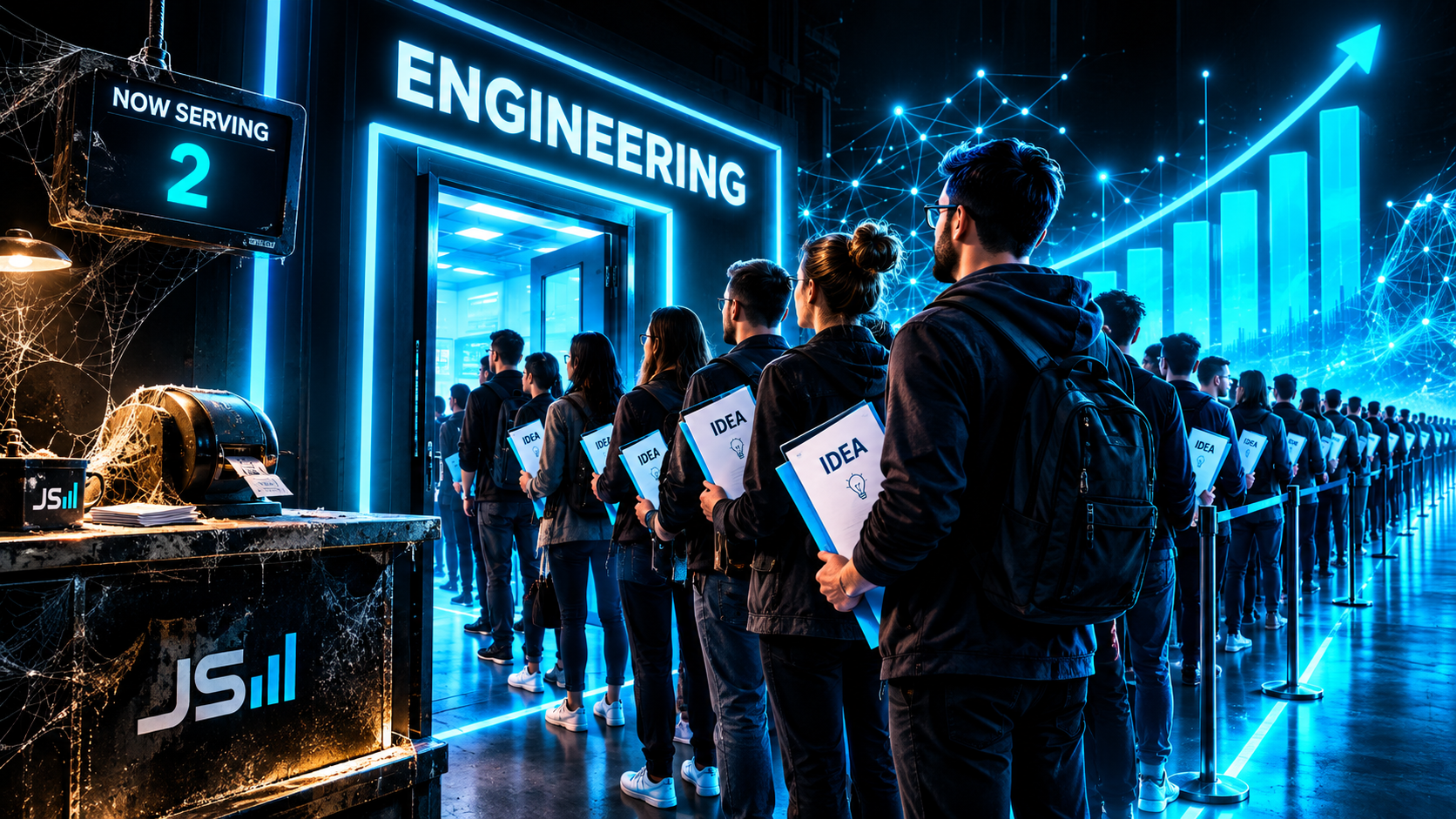
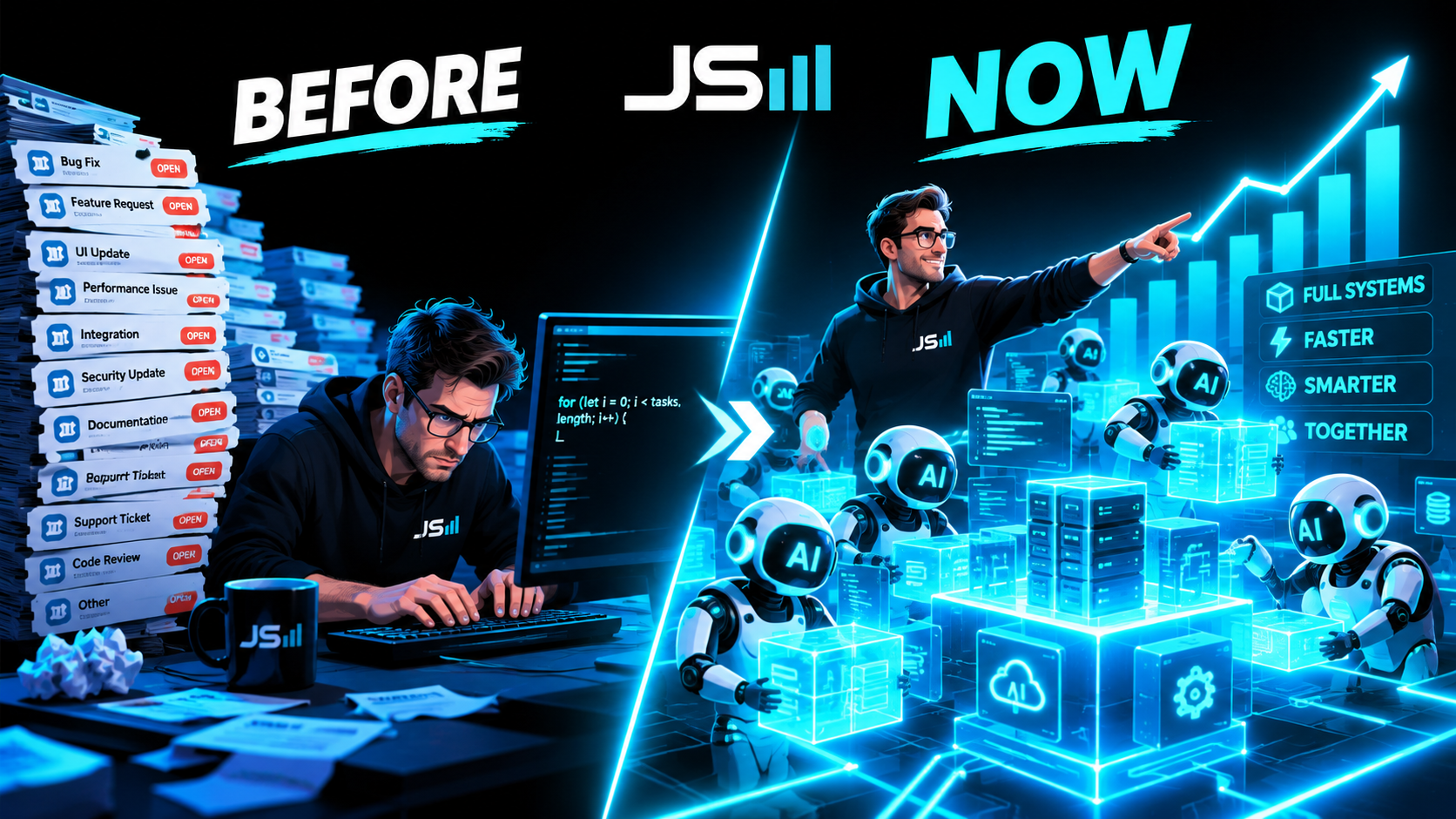
In a big org you could still build cool things, sure. But for most companies, the technical seat was where ambitious ideas went to wait in a queue. Everybody had a list of things they wanted built. The list never got shorter.
Then the bottleneck disappeared
AI is a leverage monster for anyone who already knows what they're doing. I've described it before as a tireless junior developer with terrible judgment. It types at a speed no human can match, and it'll cheerfully type something catastrophic if nobody's watching.
Put that tool in the hands of somebody who understands architecture, and the slow half of the CTO's job collapses. The typing is no longer the bottleneck. The thinking is. And the thinking was always the part the CTO was actually good at.
So now the CTO iterates at speeds that are borderline insane. A system that used to be a quarter is a week. A migration that used to need a team is an afternoon with a careful set of eyes on it. You still have to know what you're doing, that's the entire catch and I'll come back to it. But the output per person went up by an order of magnitude.
Which raises the question: what does a CTO do with all that capacity?
A CTO alone is useless. That's the point.
Here's where it gets interesting, and where this stops being me promoting my own profession.

A CTO on his own, with no direction, is nearly worthless. Technical people, and I'm including myself, are often terrible at the stuff that makes money. We don't naturally know which ad angle converts. We don't love figuring out which hook makes a plumber stop scrolling. Frankly, a lot of us hate that kind of work. It's not how the brain is wired.
But the CMO knows. He's spent years learning exactly what converts. So he walks over and says: I need the ad to show the customer's face framed this way, with these subtitles, this hook in the first two seconds, and I need fifty variations of it by Friday.

Two years ago that request goes to a team of three people and takes a month. Today the CTO builds an AI system that does it, and the CMO's instincts are now running at machine speed. That's not a hypothetical. It's how we took a cabinet shop from $700K to a $1.3 million pace: somebody who knew what converted, plus somebody who could build the machine that iterated on it.
Or take the COO. He comes in and says the video editing process is killing us, every piece of content takes four hours of somebody's day. The CTO says: hold on, HeyGen just released a video editing library called Hyperframes. Let me look at it. A few days later, eighty or ninety percent of the editing is automated, and the human touches only the part that needs a human. (Hyperframes is genuinely good, by the way. Full review coming.)

The CFO one is my favorite
Finance is where this gets really interesting, because finance is all rules, and rules are exactly what a machine is good at.
The CFO knows things nobody else in the building knows. He knows an invoice has to be formatted a specific way. He knows which account code a given expense gets booked to. He knows which documents need supporting backup attached before they're filed, and which ones get flagged in an audit if they don't. That knowledge lives entirely in his head and in a procedures doc nobody reads.

So he sits down with the CTO and says: invoices get prepared in this format, with these fields. If it's this type of expense, it books to this account. If it's that type, it books there. Attach the backup here. Here's how the entry should read in the books.
A week later that's a working system. The invoices come in, get read, get formatted, get coded, get written to the books correctly. The two people who used to spend their days keying all that in are no longer keying any of it in.
But here's the part that makes it actually safe, and it's the whole reason I like this example.
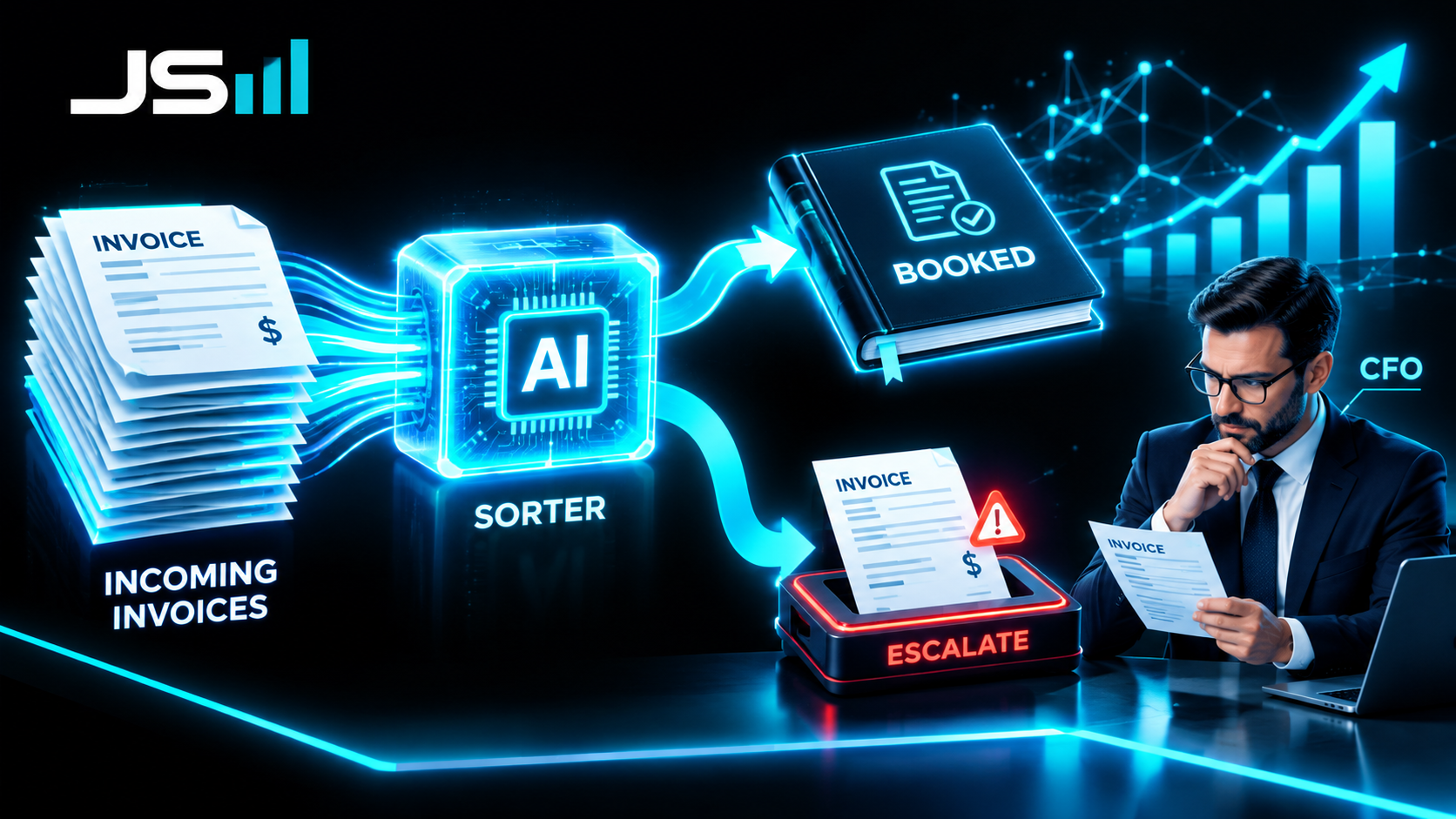
The CFO doesn't just hand over the happy path. He hands over the exceptions too: if it doesn't match any of these rules, if the amount is over this threshold, if something about it is weird, do not guess. Stop, flag it, escalate it to me.
That's the design pattern, and it's the one I preach constantly. The machine does the ninety percent that's purely mechanical. The ten percent that requires judgment gets routed to the human who has the judgment. Nobody's doing data entry anymore, and nobody's letting an autocomplete engine decide how to book a six-figure transaction either.
Notice who has to build that. The CFO can describe the rules perfectly, but he can't wire up document parsing, write the ledger integration, and design a safe escalation path that fails loudly instead of quietly. The CTO can. That's the whole relationship.
And notice the pattern across all four. Every other expert in the building has domain knowledge that's stuck in his head. The CTO is the one who can turn it into a system. He's the conversion layer between what the business knows and what the business can actually run on autopilot. Before AI, that conversion was slow and expensive. Now it's fast. And the person who does it just became the most leveraged seat on the org chart.
The part that makes the seat actually valuable
Speed alone doesn't do it. Anyone can make an AI tool spit out code fast. If that were the job, you wouldn't need a CTO, you'd need a subscription.
What makes the seat valuable is knowing where to apply AI and where you absolutely do not, unless you want to watch everything fall apart in slow motion.
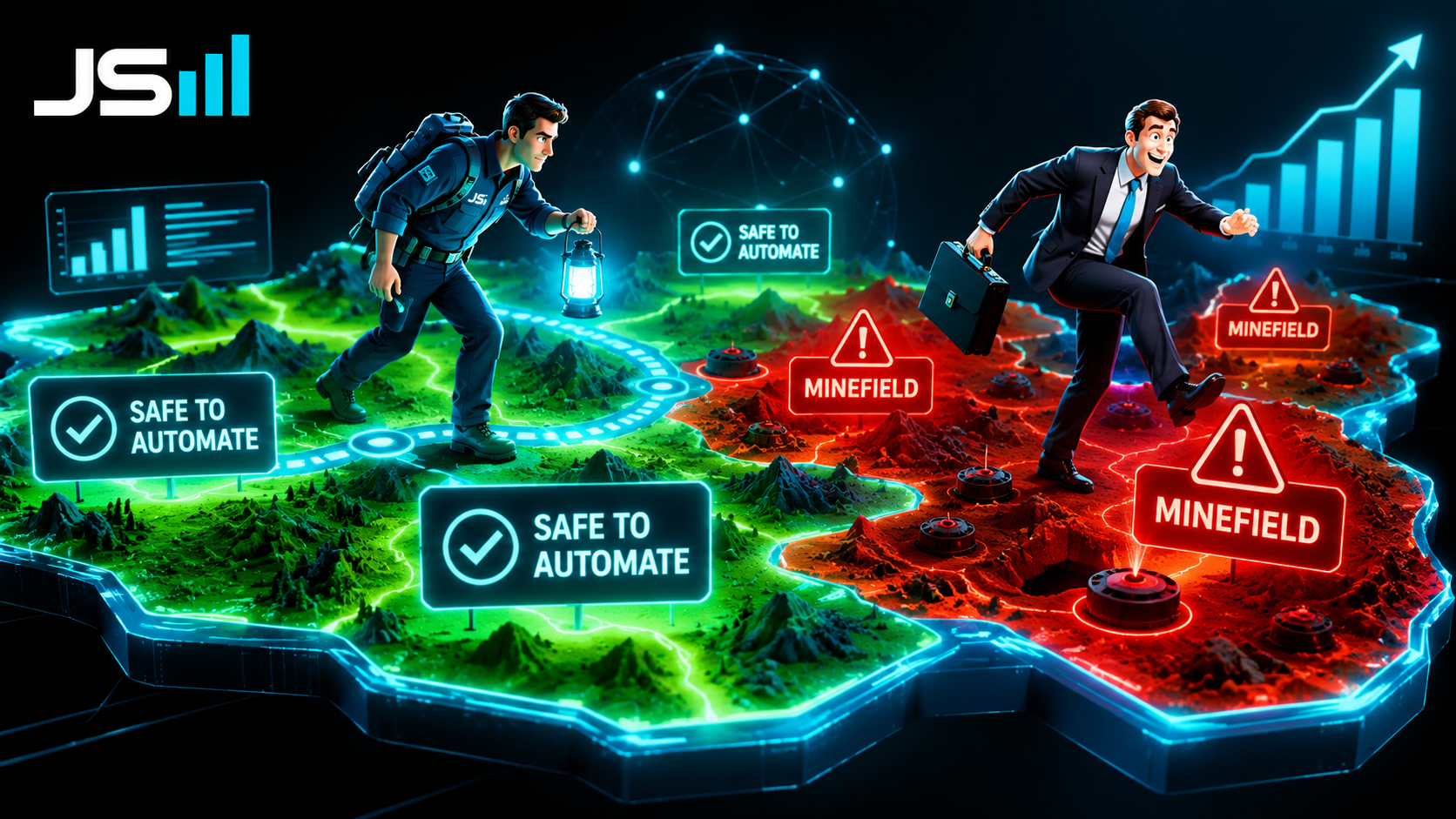
I've watched my own AI tooling try to leak customer data between tenants, dump secrets into call transcripts, and nearly wipe live financial records. It didn't know those were bad ideas. I did. That's the entire job now. The CMO doesn't know that his beautiful ad machine shouldn't have write access to the billing table. The COO doesn't know that the automation he wants will quietly double-charge a customer the first time a request times out. The CFO doesn't know that the invoice system needs an idempotency key or a retry will book the same payment twice. The CTO knows, because he's seen the thing break before.
And this is also why the prompt-and-pray crowd keeps producing garbage. You can't point AI at a business you don't understand the plumbing of. Someone has to understand the machinery. The architecture. Where the data lives, what talks to what, what happens when it fails at 2am. That person used to spend most of his week typing. Now he spends it deciding. Deciding is the valuable part.
Some people call it something else
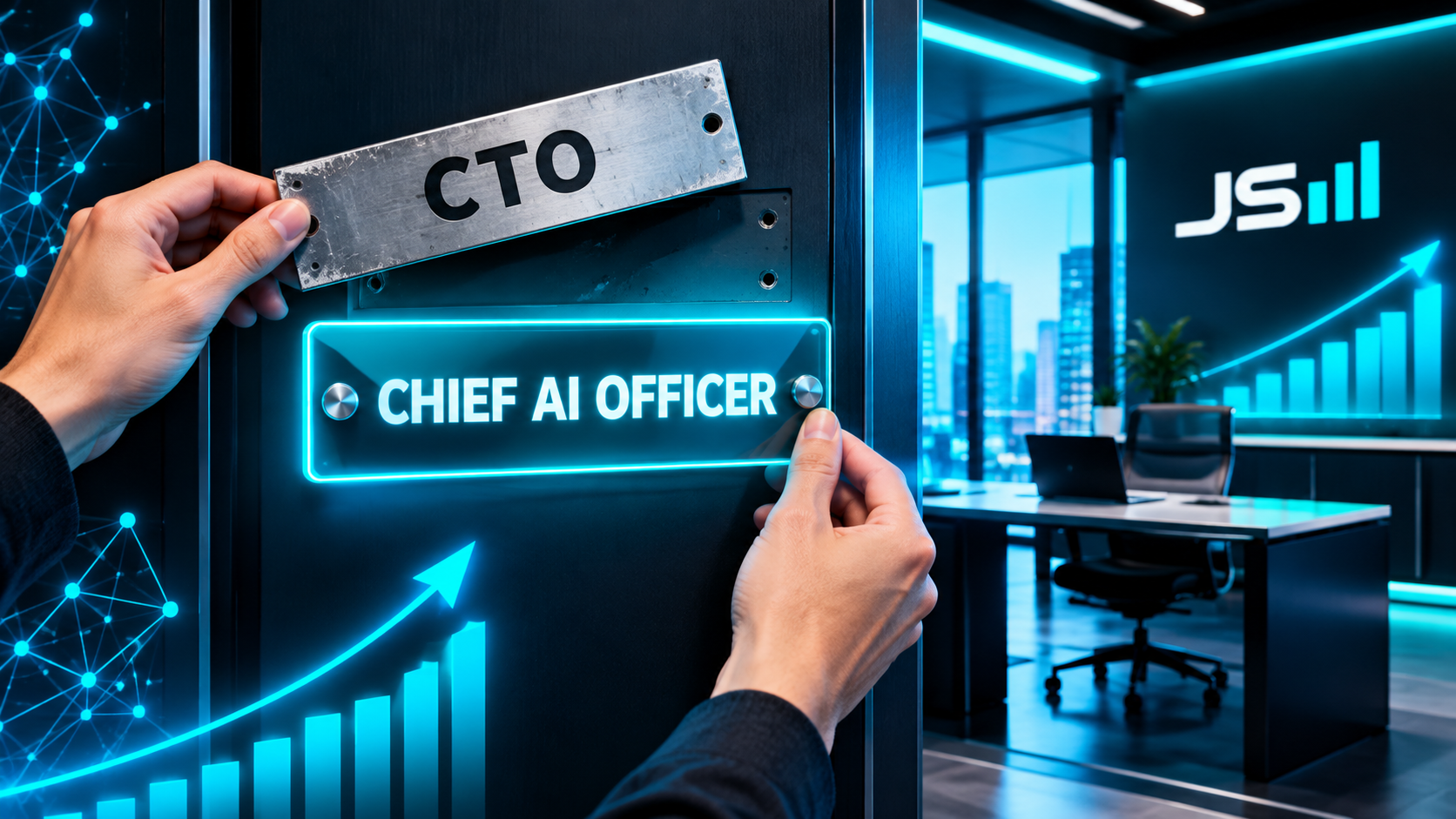
I know the trendy title is Chief AI Officer. Fine. I'm using CTO because more people know what it means and because the job is the same: the person who understands the technology deeply enough to know where it goes and where it doesn't. Call it what you want. The seat is the seat.
The other seat that just got valuable
To be clear, there's one more chair that gained just as much: the visionary. The person who looks at the whole business, decides what actually needs to exist, and points the whole machine in one direction. Without him, the CTO is a very fast engine with no steering wheel, which is the picture above.

I say this to my business partner all the time: he's Jobs, I'm Wozniak. He's the one in front of the room painting the picture, and I'm the guy in the garage making sure the thing actually boots. We laugh about it every time, mostly because it's accurate. Neither half does anything alone. Jobs with no Wozniak is a beautiful keynote about a product that doesn't exist. Wozniak with no Jobs is a brilliant machine nobody ever hears about.
The visionary seat deserves its own article, and it'll get one.
The takeaway
For twenty years the technical seat was where good ideas went to wait. The bottleneck was execution, and execution was slow and boring.
AI removed the bottleneck. Not the judgment, not the architecture, not the understanding of where things break. Just the typing. And that turned the CTO from the person who builds what everyone's waiting on into the person who can take any expert's knowledge in the building and have it running as a system by Friday.
If you run a company and you're thinking about where to invest: the people who know things are safe. The person who can turn what they know into working machinery is the one who's about to be very hard to hire.
If you want that seat filled by somebody who's already made the mistakes, that's what we do.
Want to talk about what you're building?
Get in touch