
Read the Room, or Die in Persia

Julian had the army, the throne and a plan to remake the world. He lasted twenty months. Talleyrand had a limp, a cane and no army, and he served six governments and died in bed at eighty-four. The difference was reading the moment. Here's how that applies to selling anything in the AI era.
Two men. One had an army, an empire, and a plan to remake the world. He lasted twenty months. The other had a limp, a cane, and no army at all. He served six governments across the most violent half-century in French history and died in bed at eighty-four. The difference between them wasn't talent or luck. It was whether they could read the moment they were standing in.

Everybody has a plan for the world they wish they lived in. Business happens in the world you actually live in. Keeping those two straight is most of the job, and the history books are full of brilliant people who couldn't.

Julian: the emperor who got everything, then ignored it
First, the water he was swimming in. Diocletian had tried to cure the empire's habit of murdering its own emperors by splitting the job four ways, two seniors and two juniors, each holding a quarter with the succession drawn up in advance. It lasted about twenty minutes past his retirement; the four turned on each other, and Constantine fought through all of them to rule alone, converting the empire to Christianity on the way and executing his own eldest son and his wife somewhere in the middle of it. That is the stability Julian was born into.
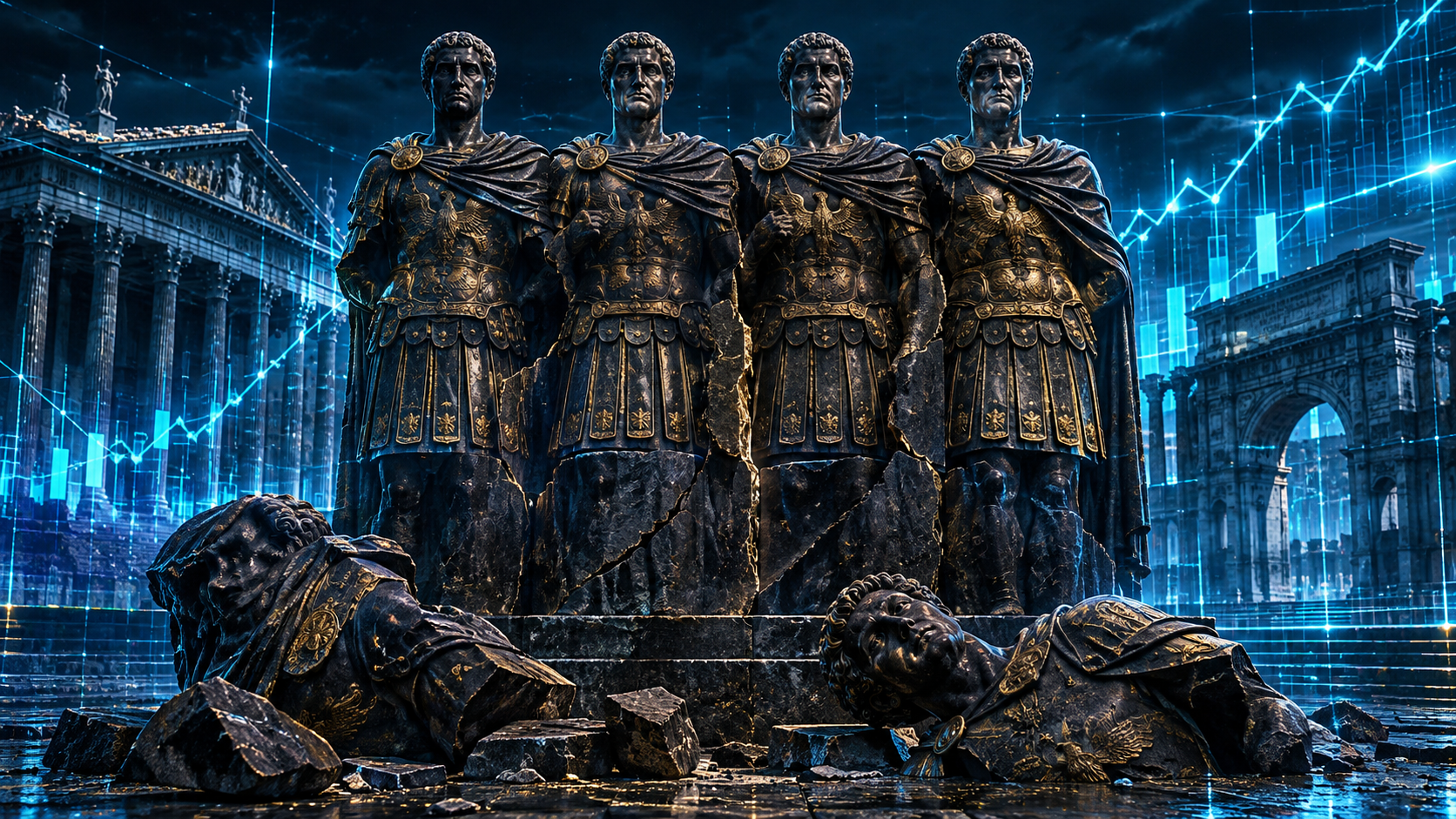
Start in 337. Constantine the Great dies, and within weeks the army slaughters most of his male relatives to clear the succession for his sons. Julian is about six. His father is killed. He and his half-brother survive mostly because they're children and nobody thinks they matter yet.
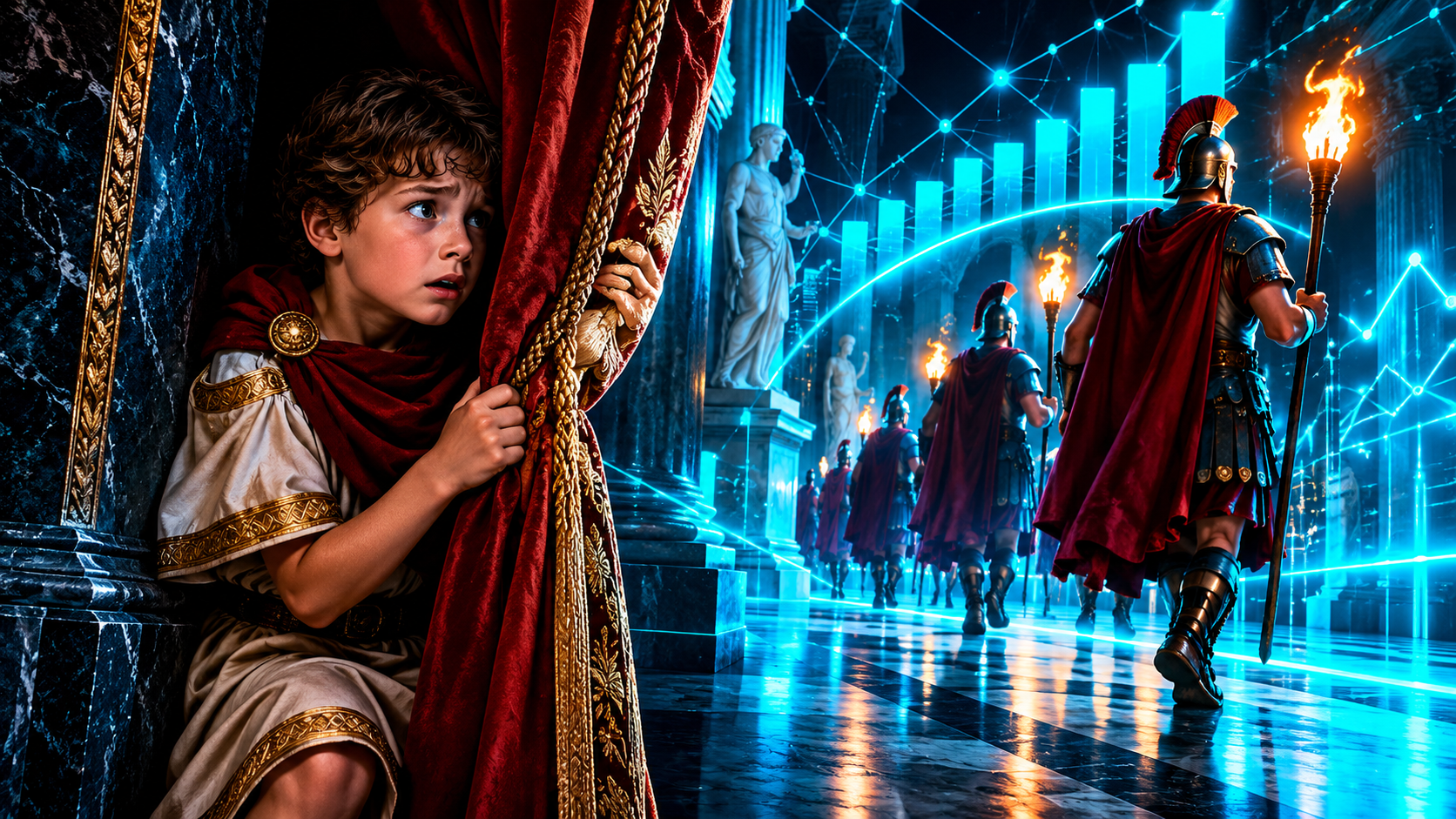
He's raised in isolation on a remote estate, under guard, nominally Christian, and he buries himself in books. Homer, Plato, the old philosophers. Somewhere in there he falls for the old gods and stays quiet about it for years. Smart kid, dangerous name, and the only safe move is to look harmless.

In 355 his cousin, the emperor Constantius II, needs someone with the family name to hold Gaul. He makes Julian a junior emperor, a Caesar, and sends him north with a thin force and no real expectation he'll do anything but look the part. Twenty-three years old, a bookworm, handed a frontier that was falling apart.

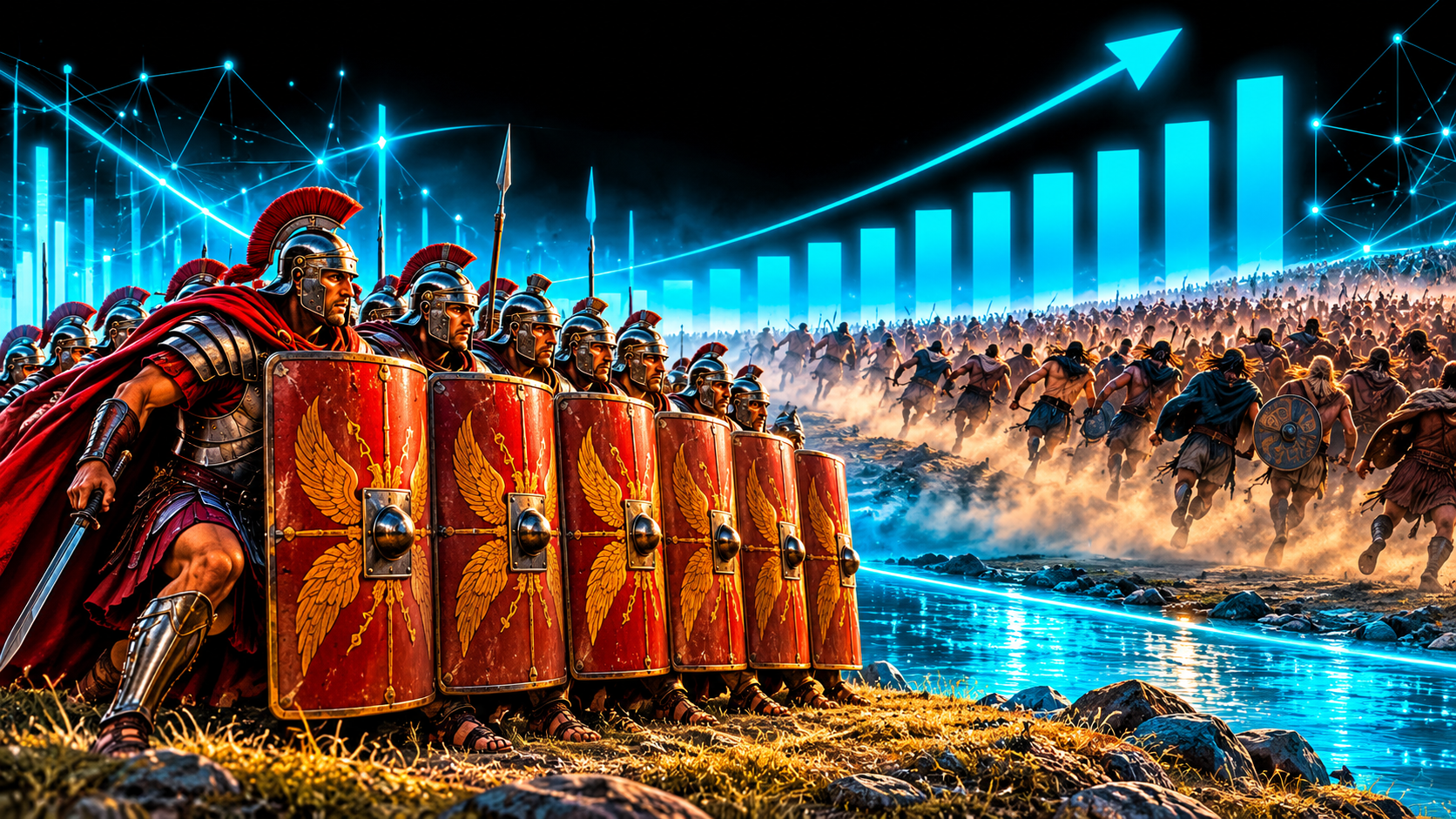
Then the bookworm turns out to be good at this. At Strasbourg in 357 he's badly outnumbered by an Alamanni confederation and beats them anyway. He clears the Rhine, rebuilds forts, and cuts the crushing tax load on the provinces. The soldiers love him. The provincials love him. For the first time in his life, Julian has something nobody handed him.
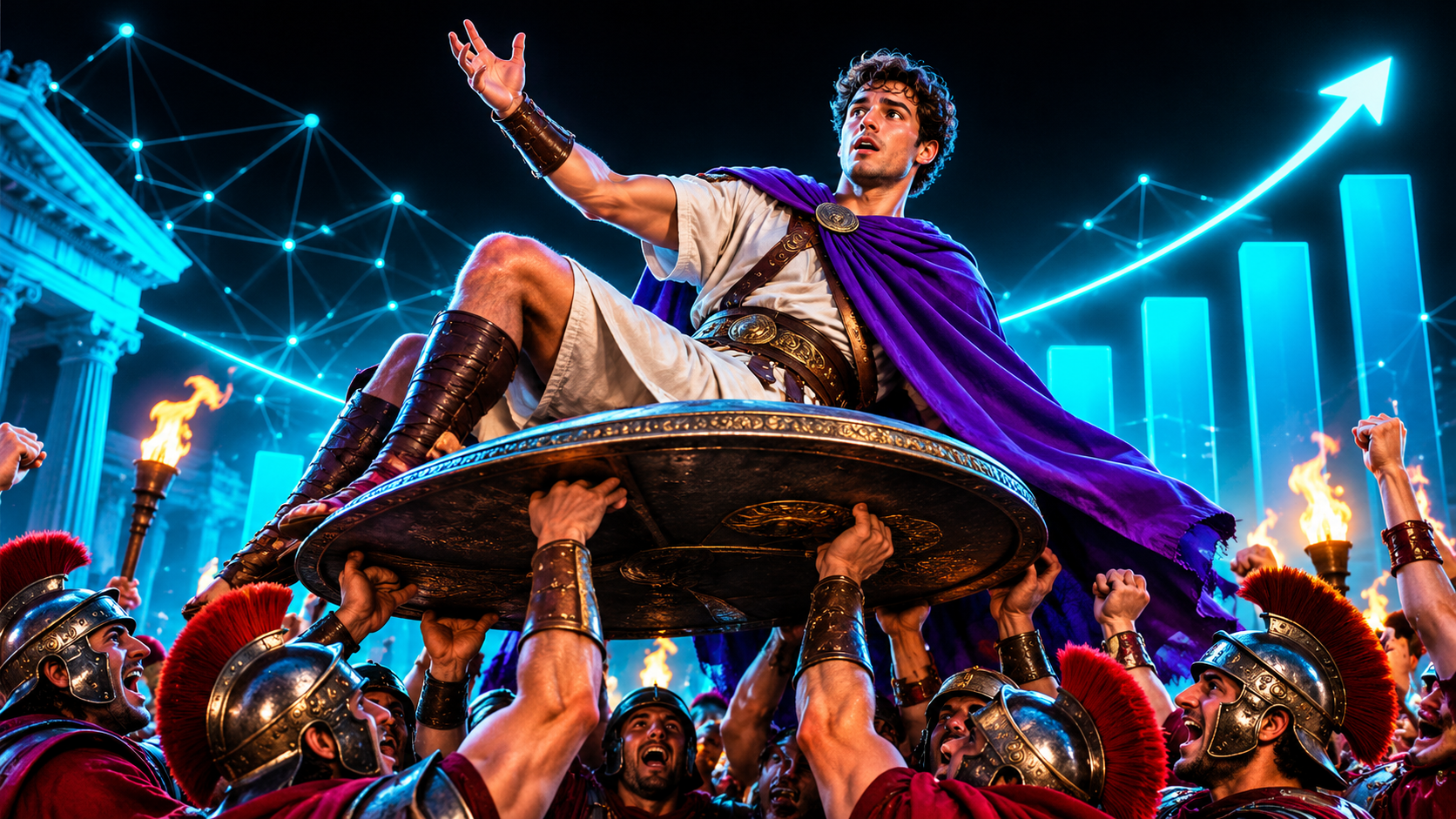
In 360 Constantius, now suspicious and fighting Persia in the east, orders Julian to send him his best troops. The troops, who have no interest in marching to the other end of the world, surround Julian's residence in Paris one night and lift him on a shield. That's the old Roman way of making an emperor. He may or may not have wanted it. It didn't matter. It was done.
Now there should be a civil war. Julian marches east to fight for it. And then Constantius gets a fever on the road and dies, naming Julian his heir with his last breath. No battle. No purge. Julian walks into Constantinople as the sole, legitimate emperor of the Roman world. The moment had been handed to him, gift wrapped.

Understand what he thought he was looking at. He walks into that palace and sees an emperor hemmed in by eunuchs and incense, chamberlains and censers and ceremony, a court that performs power instead of holding it. We are not the Romans of old, he thinks. The men who built this would not recognize the room. And he goes looking for a cause, and he picks one: Christianity, and its exaltation of the meek. Rightly or wrongly, that is his diagnosis. The empire went soft because its new religion taught it to prize the weak, and the cure is to put the old gods back.
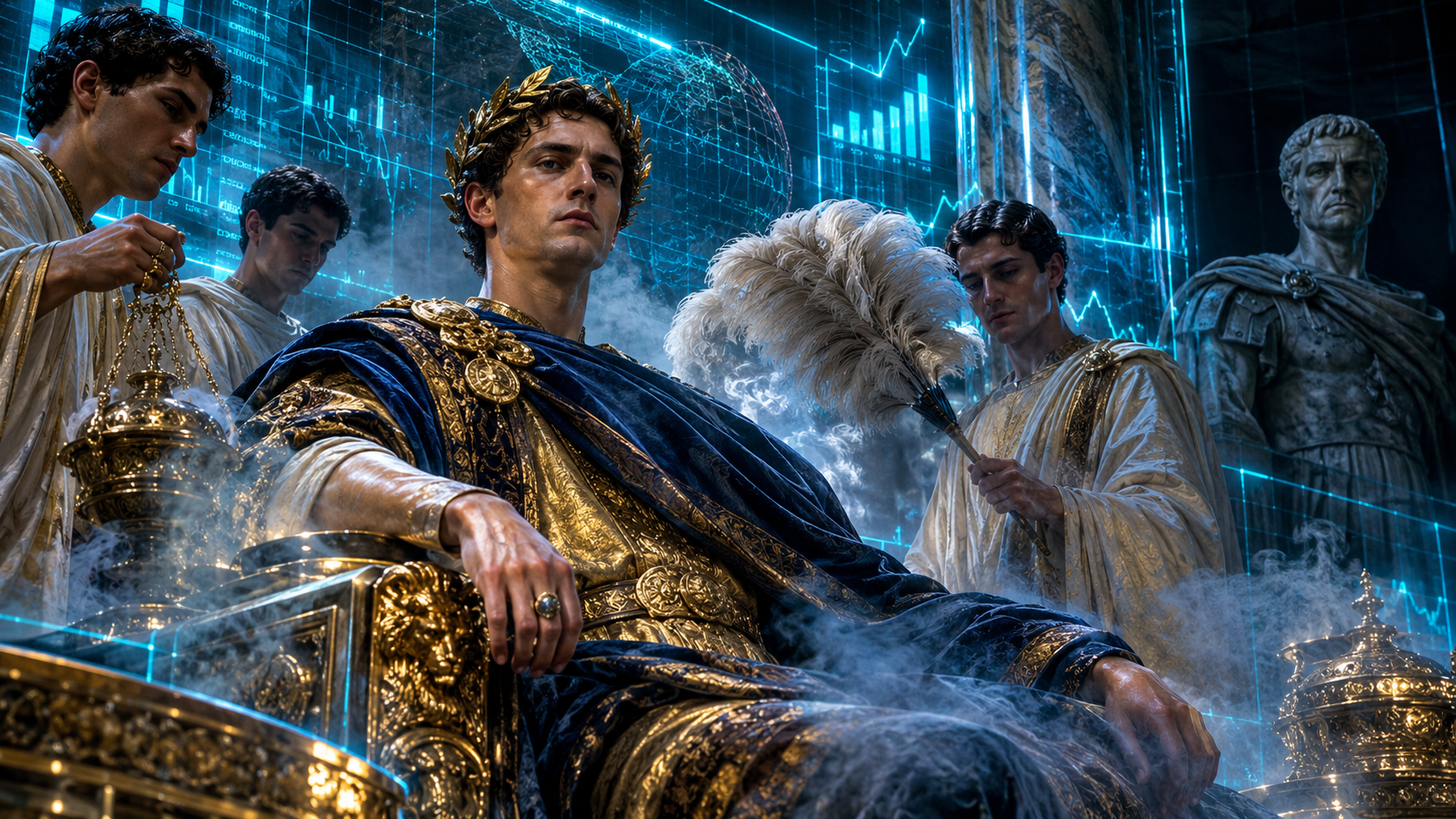
Here's the thing about that diagnosis: it does not actually matter whether he was right. He might have been. A man can be dead correct about what ails an institution and still be completely wrong about what to do on Tuesday morning. Julian had a theory of the problem and no read on the room, and the room is what kills you.

Here's where it turns. The mask comes off. Julian, ever the reactionary, decides to repaganize the empire. He declares for the old gods, openly, as a matter of state. He reorganizes the pagan priesthood on a Christian model, with hierarchy and charity, because he could see the Church was winning on organization. He bars Christians from teaching the classics. He starts pouring the empire's attention and money into reviving a religion most of the people running the empire had already moved past.
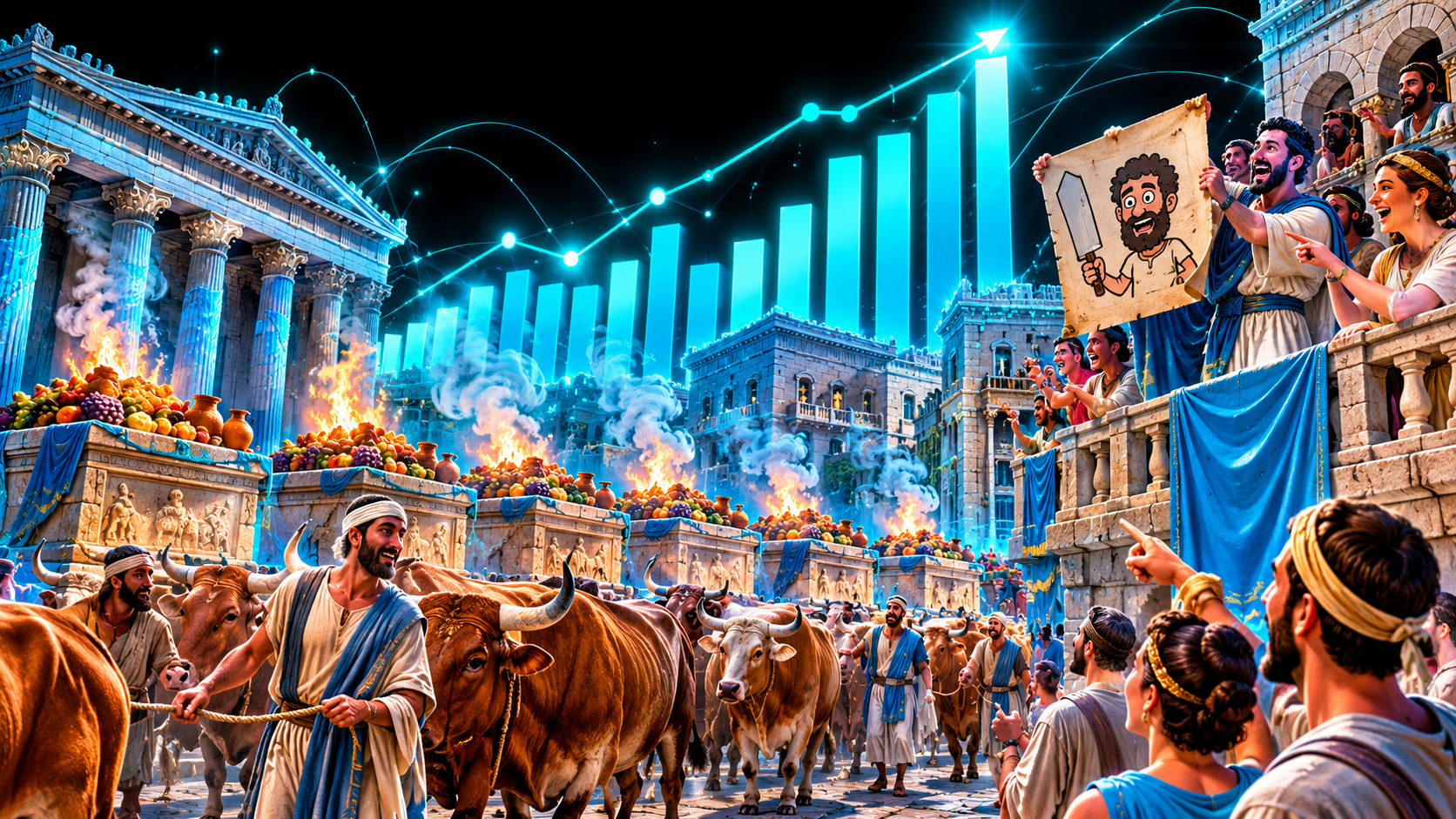
In Antioch it tips into farce. He sacrifices so many animals, so constantly, that the city nicknames him the butcher, and the soldiers are stumbling out of the temples drunk and stuffed on sacrificial beef. The Antiochenes mock his beard in the streets. Julian, emperor of the known world, responds by writing a satirical essay about his own beard. He's arguing with a city. He's losing.
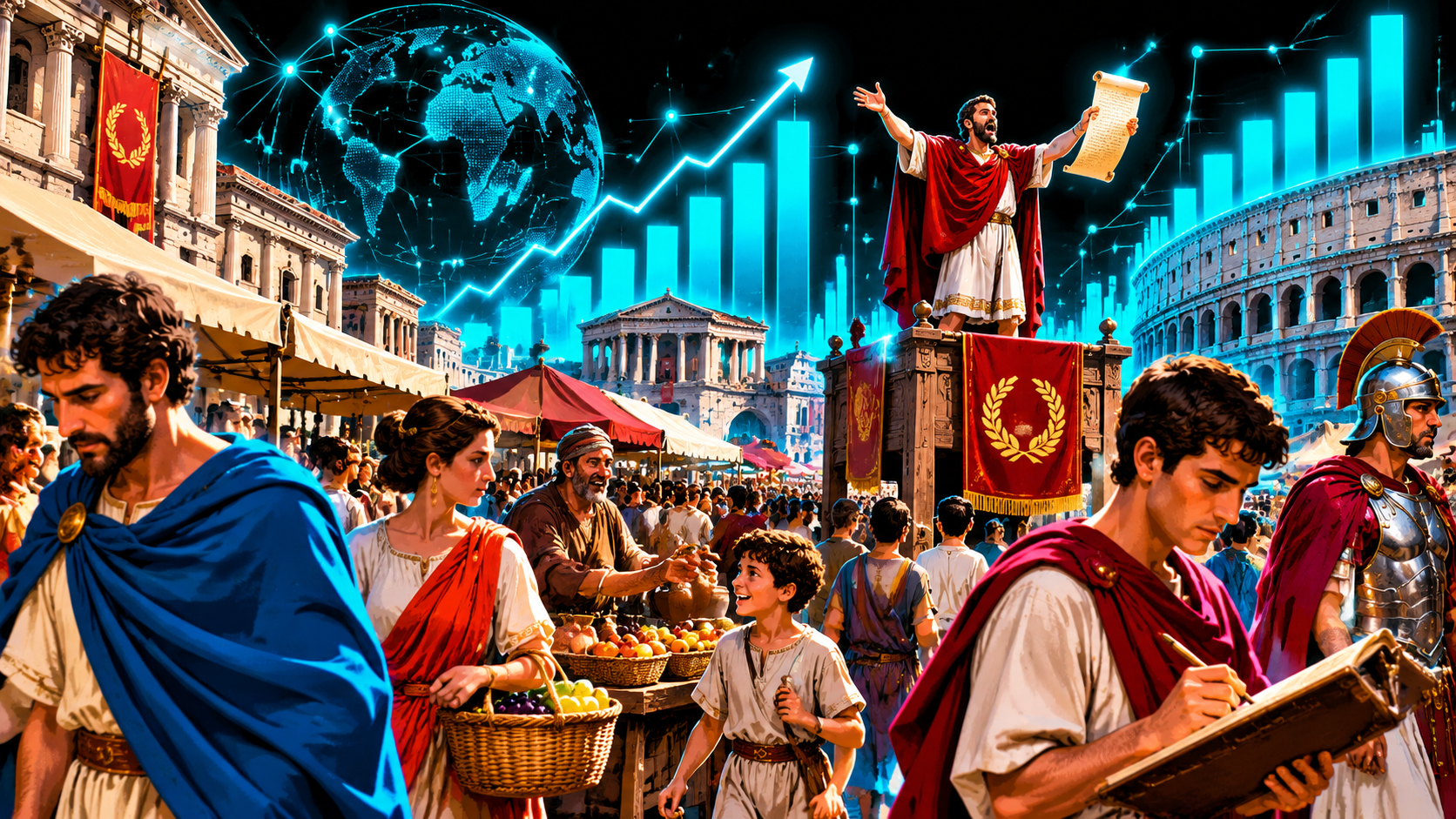
And the thing he never saw: by 362 the empire had been run by Christian emperors for fifty years. The civil service, the officer corps, the urban elites had all adapted. More than that, after decades of civil wars and dynastic murder, what people actually wanted was stability. Lower taxes, secure frontiers, a government that didn't change the rules every time a new man took the throne. They were not asking for a religious revolution. Julian offered one anyway, because it was the thing he personally cared about, and he mistook his own convictions for the mood of the empire.
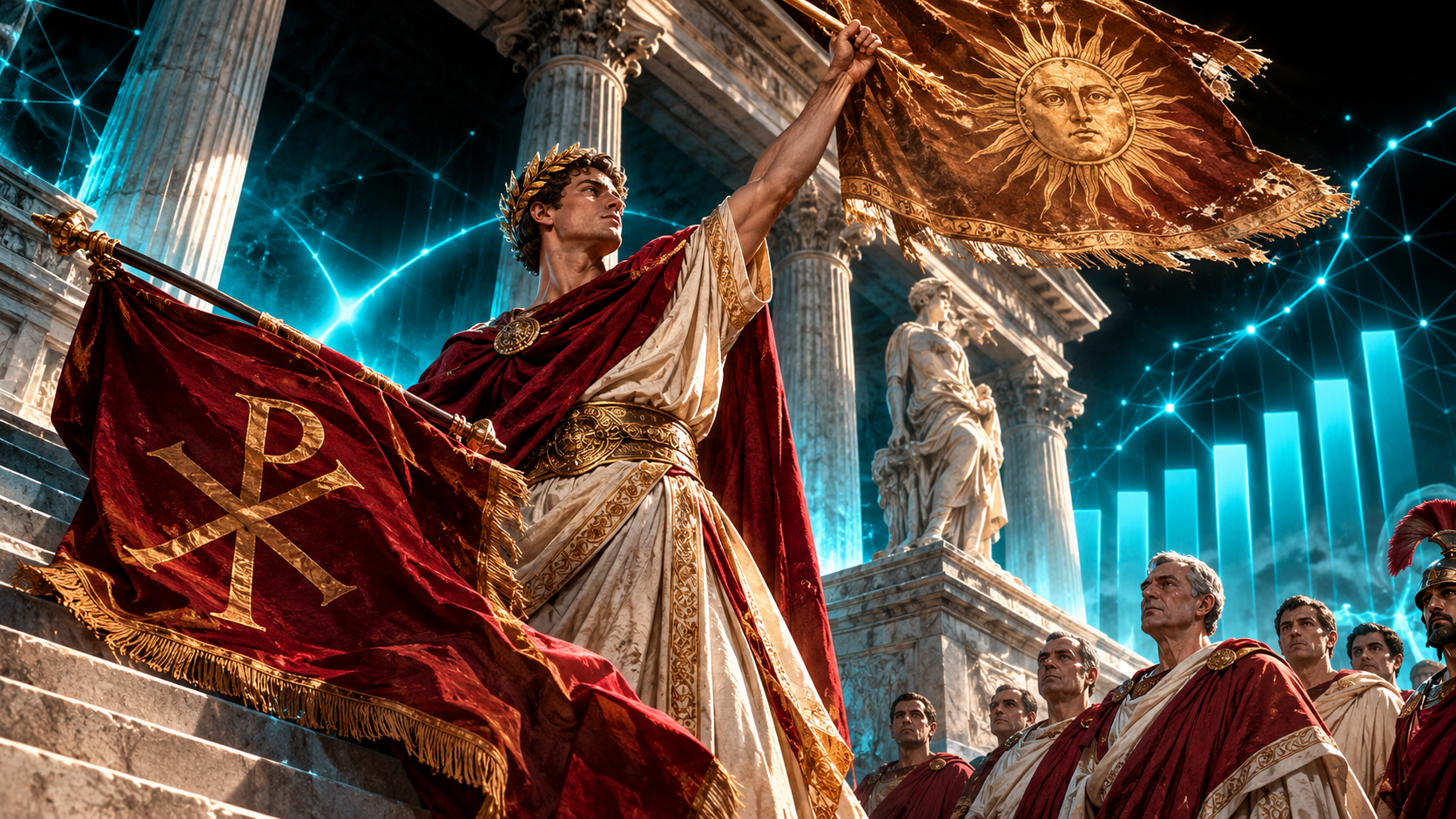
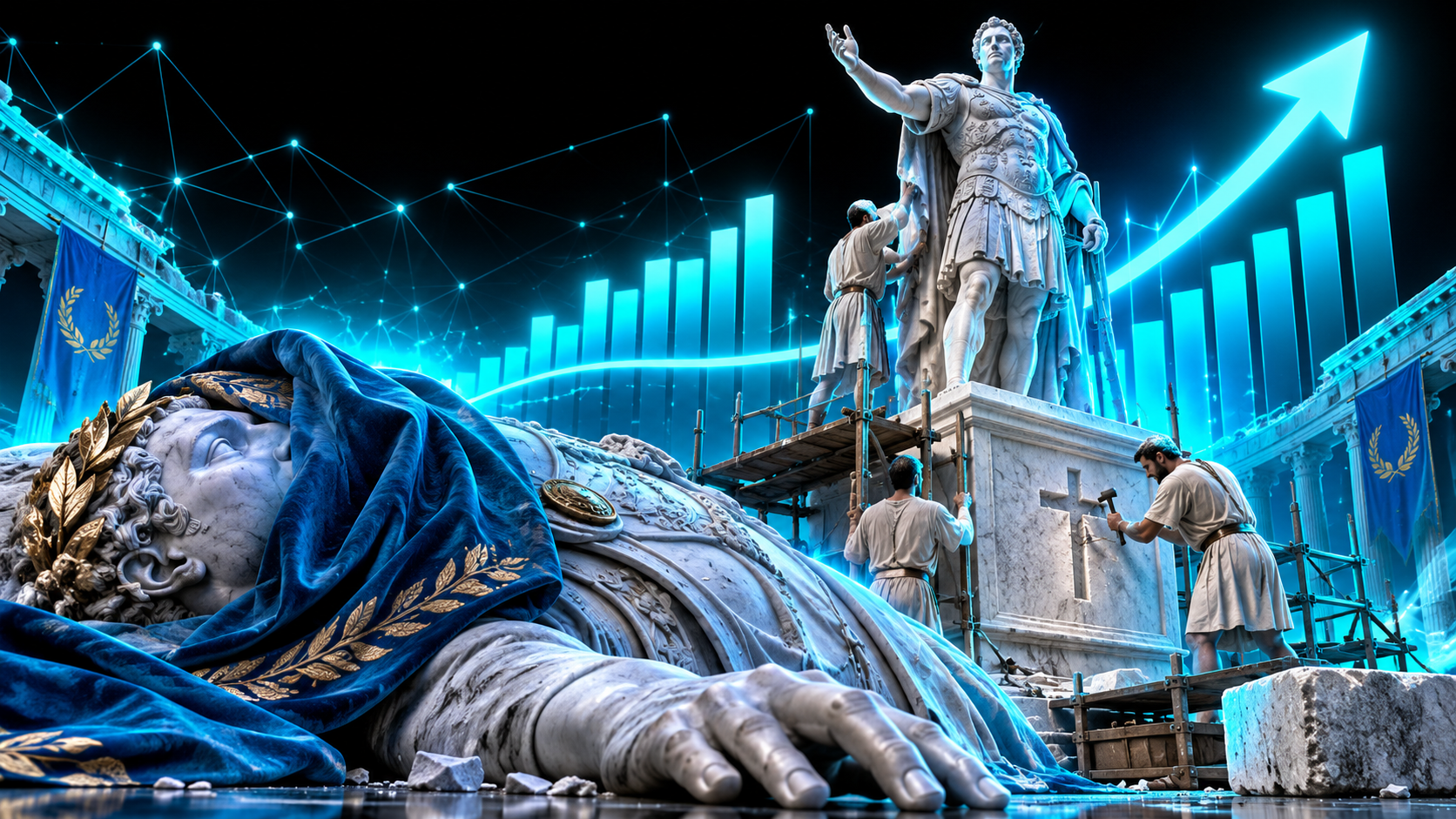
Then he does the thing emperors do when they need the kind of legitimacy a decree can't buy. He invades Persia. Julian, again, ever the reactionary, has worked out that the way to prove the old gods really are backing him is to go win the war the great men won. The Sasanians, if you want to be precise, Parthia's successors in the same desert that ate Crassus. Spring 363, he marches down the Euphrates with a fleet, wins a fight outside the walls of Ctesiphon, can't take the city, and burns his own boats so his army can't retreat the easy way. In the withdrawal, in a skirmish, a spear takes him in the side. He's thirty-one.

Twenty months as emperor. His successor, a Christian officer named Jovian, restores everything within weeks. Not one piece of Julian's program survives him. The old gods do not come back, ever. He had the army, the throne, the talent and the brains, and he spent all of it on the world he wished he lived in. The world he actually lived in erased him before the paint was dry.
Talleyrand: the man who read every room he ever walked into
Now the other guy. Charles-Maurice de Talleyrand. Born into the old French aristocracy with a bad foot, which disqualified him from the army, so his family parked him in the Church. By 1789 he's the Bishop of Autun, elegant, witty, a little lazy, and already the smartest person in most rooms at Versailles.

The Revolution hits, and he reads it before it's finished happening. In 1789 the bishop proposes seizing the Church's land to pay the state's debts. In 1790 he celebrates Mass in front of a hundred thousand revolutionaries at the Festival of the Federation. The Pope excommunicates him. He shrugs. He'd already figured out which way the century was going and he was not going to be on the wrong side of it for the sake of a job title.

When the Terror comes, he gets out. England, then America, where he spends two years selling land and waiting. He's not a martyr and he has no interest in being one. He comes back when it's safe, and by 1797 he's foreign minister of the Directory. The regime that would have guillotined him three years earlier is now paying him.

He backs Napoleon's coup in 1799 and serves him as foreign minister for years. Then, around 1807, he sees the overreach coming, Spain, then Russia, and he quietly steps back and starts talking to the other powers. Napoleon finds out, calls him to the palace, and screams at him in front of the court. The famous line is that Talleyrand was "shit in a silk stocking." Talleyrand says nothing, limps out, and keeps the stocking. He'd read the moment. The emperor hadn't.

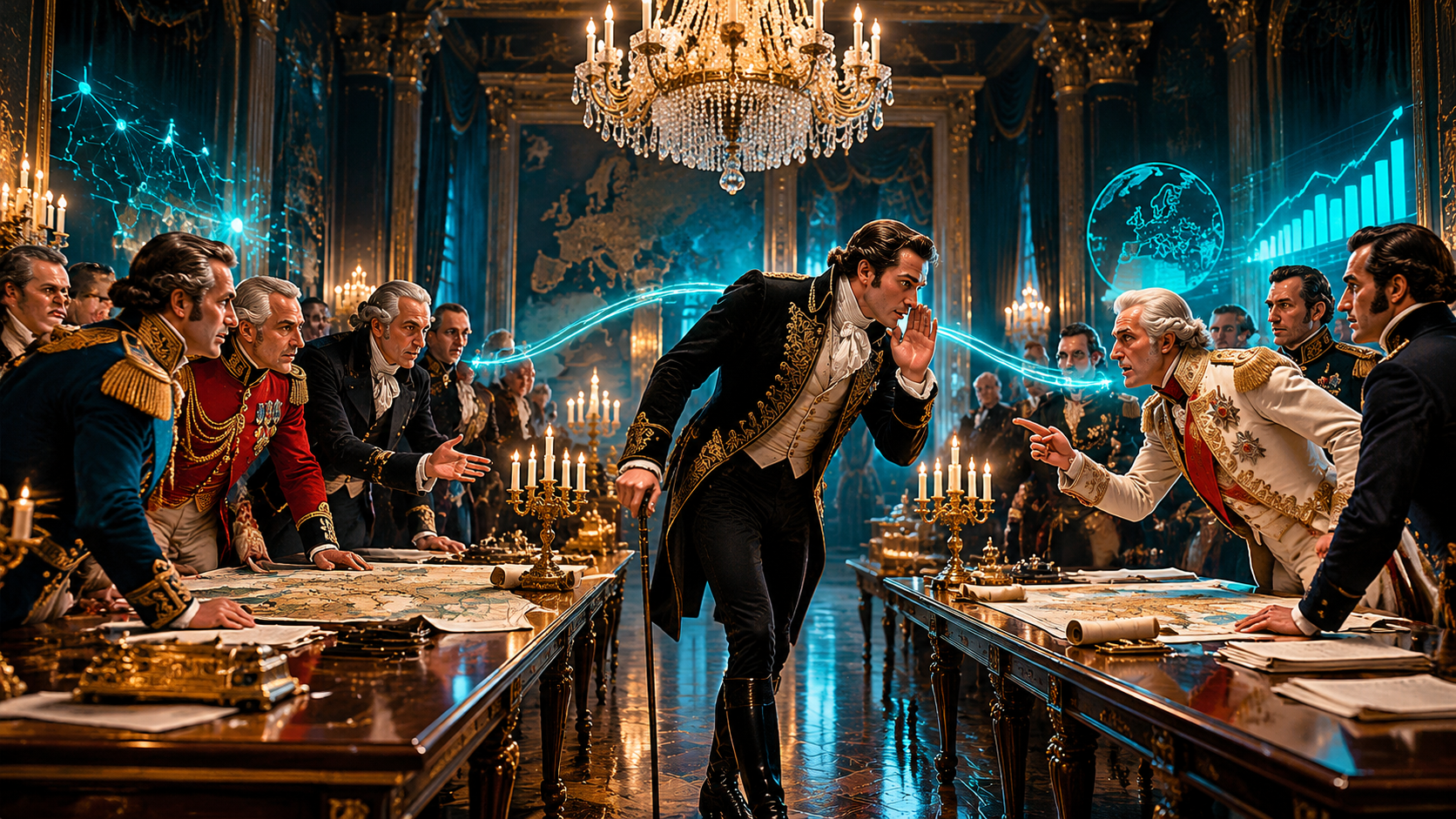
In 1814, with the allies in Paris, Talleyrand engineers the return of the Bourbon king. Then he goes to the Congress of Vienna representing a defeated France with no leverage at all, and walks out having split the winners against each other and secured France a seat at the table as an equal. The losing side of a world war, negotiated into a draw by one man working the room.
When the Bourbons blow it in 1830, he backs the new king, Louis-Philippe, and goes to London as ambassador at seventy-six. He dies in 1838 at eighty-four, reconciled with the Church, in his own bed. Ancien Régime, Revolution, Directory, Napoleon, Restoration, July Monarchy. Six regimes. Every one of them needed him, and every one of them he outlived.

People call him a turncoat, and sure. But look at what never changed. He wanted France strong and he wanted to be alive and useful. Those two goals held for fifty years. The coat changed with the regime because the coat was never the point. Julian confused his preferences with the mood of the empire. Talleyrand never once confused his preferences with anything.

Now the part about your business
The zeitgeist is real and it moves, and right now, with AI, it's moving in two directions at once. Builders are euphoric. A big slice of the public is wary, tired, or openly hostile. Both of those are true on the same afternoon, sometimes in the same customer. The founders who get hurt in the next few years will be the ones who only notice one of them.

When the optimism is real, ride it. When a customer is leaning in, when the market wants the new thing and says so, that's the Strasbourg moment. Move fast, ship, say the word AI out loud, let the wind fill the sail. Hesitating in a tailwind is its own way of misreading the room, and plenty of careful people miss the whole cycle that way.

But when the mood turns wary, and in a lot of rooms it already has, do not be Julian. Don't walk into a skeptical business and demand they sacrifice to your gods. Nobody buys "AI." They buy every call answered, every lead followed up in sixty seconds, every invoice sent without anyone touching it. Lead with the outcome. Let the technology be the thing under the hood that you'll happily explain if they ask. Same product, different banner, and the banner is the entire difference between a conversation and a closed door.

Here's what that looks like in practice, without turning it into a sermon.
- Check the mood before you pick the pitch. Ask what the customer is actually afraid of and what they're actually excited about this quarter, then sell to that, not to your roadmap.
- Keep the goal fixed and the coat flexible. Talleyrand's goals didn't move for fifty years. His wardrobe did. Your outcome for the customer is the goal. The language, the packaging, how loudly you say the magic word, that's wardrobe.
- Don't legislate the change top-down. Julian's whole program was personal conviction enforced by decree. If you're forcing a new workflow or a new tool on a team or a customer who didn't ask, you're reading proclamations to a street that wants to get back to work.
- Stability sells in a nervous market. After a rough stretch, people pay for the thing that doesn't surprise them. Reliability is a feature. Boring is a feature. Price them like features.
- Know when to leave the room. Talleyrand left for America and came back. There are markets, channels and customers that are not ready, and the move is to go where it's working and return later, not to stand in Antioch arguing about your beard.

Julian had every advantage a person can have and spent all of it on a world that no longer existed. Talleyrand had a bad foot and a good read, and he outlived everyone. Build the thing you believe in. Then sell it to the room you're actually standing in, in the language that room is ready to hear. The moment doesn't care how right you are. It only cares whether you noticed it.

Want to talk about what you're building?
Get in touch