Easy to Take, Hard to Hold: Why Charm Wins the Deal but Only Systems Keep It

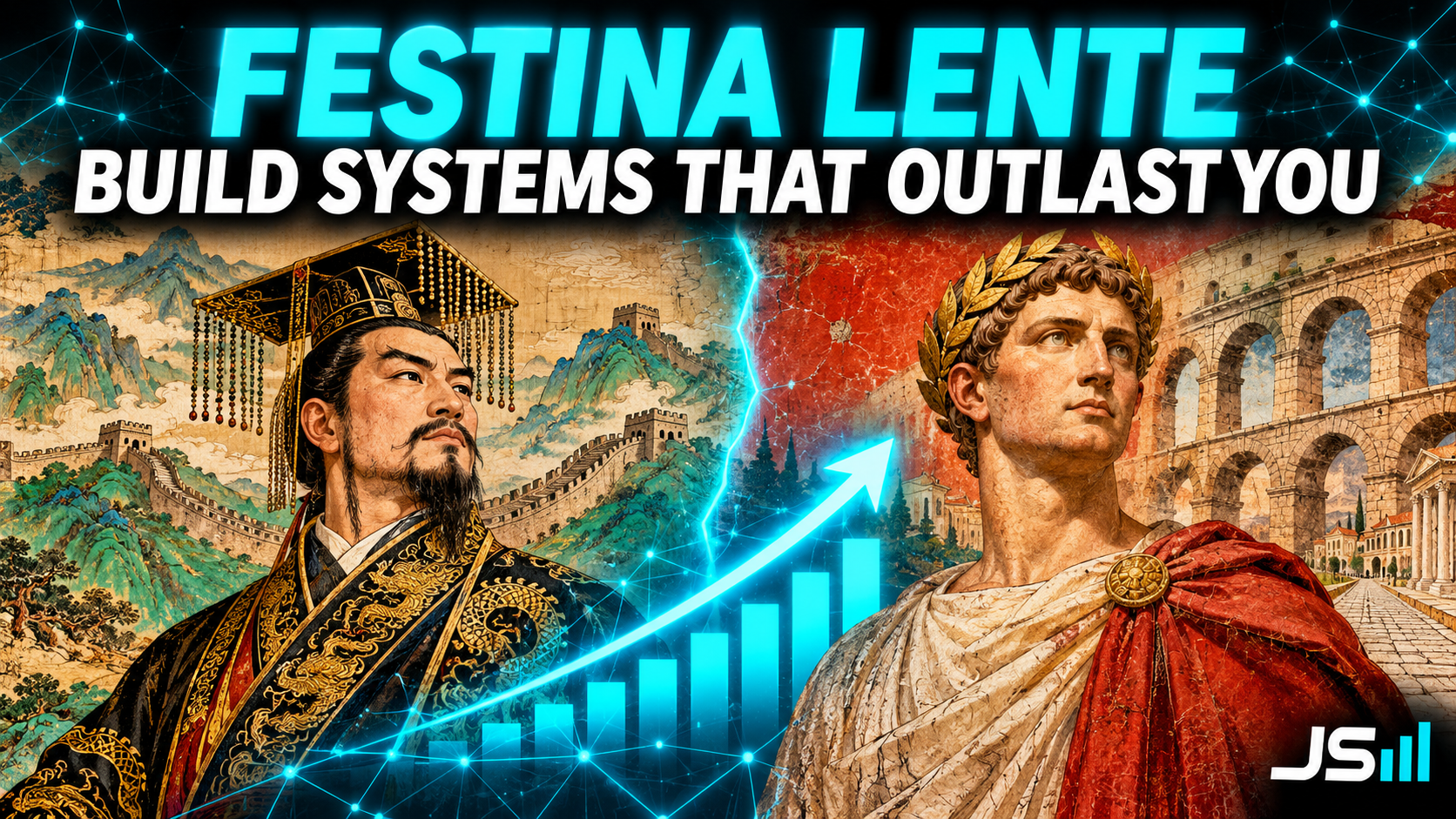
Machiavelli said some states are hard to take and easy to hold, and some are the opposite. Aurangzeb spent twenty-six years winning every siege in the Deccan and held nothing. Rome spent seventy years stitching Italy together and held it against Hannibal. I won a five thousand dollar check at lunch and learned which one I'd been.
Machiavelli has a chapter in The Prince that most people skip because the title is boring. It asks why Alexander's generals could hold Persia after he died, when a French king could barely hold France. His answer is the most useful thing in the book, and it explains a deal I lost last year better than I could.

Some things are hard to take and easy to hold. Some are easy to take and impossible to hold. Most founders only ever learn to take. Here's the difference, in two empires and one lunch.

The idea
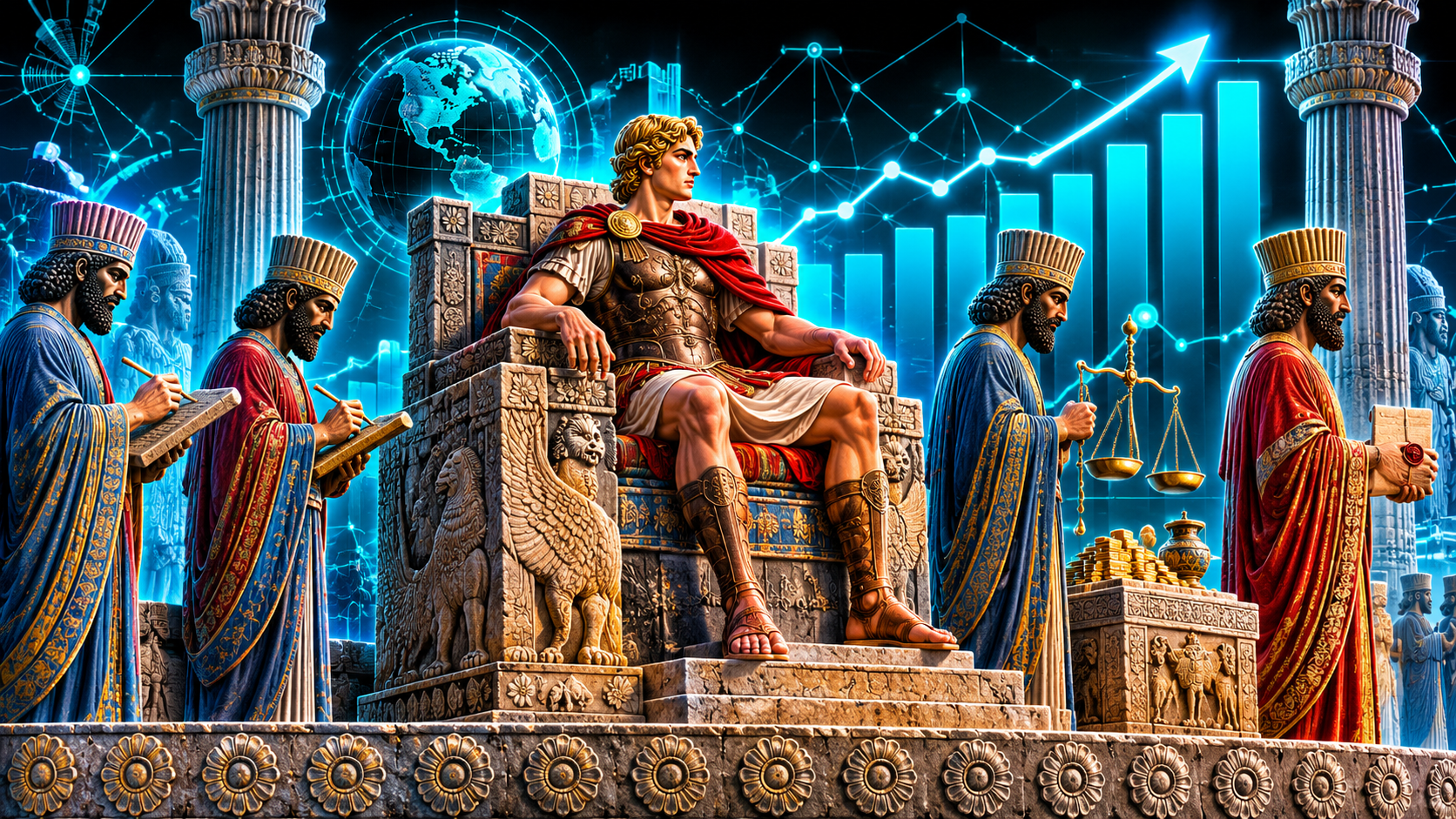
Machiavelli says there are two kinds of states. In the first, one prince rules and everyone else is a servant he appoints. Persia under Darius, the Ottoman Empire in his day. That kind is brutally hard to conquer, because there's no disaffected noble to invite you in and the whole thing fights as one. But once you win, it's easy to hold, because there are no local lords with their own followers to rally a rebellion. Kill the prince, take the chair, and the servants serve you.
In the second kind, the prince rules alongside barons who have their own lands, their own men, and their own loyalties. France. That one is easy to enter, because there's always a baron who hates the king and will open a gate for you. And it's miserable to hold, because the same barons who let you in will turn on you the moment it suits them, and you can't kill them all without losing the country.

Easy to take, hard to hold: Aurangzeb in the Deccan
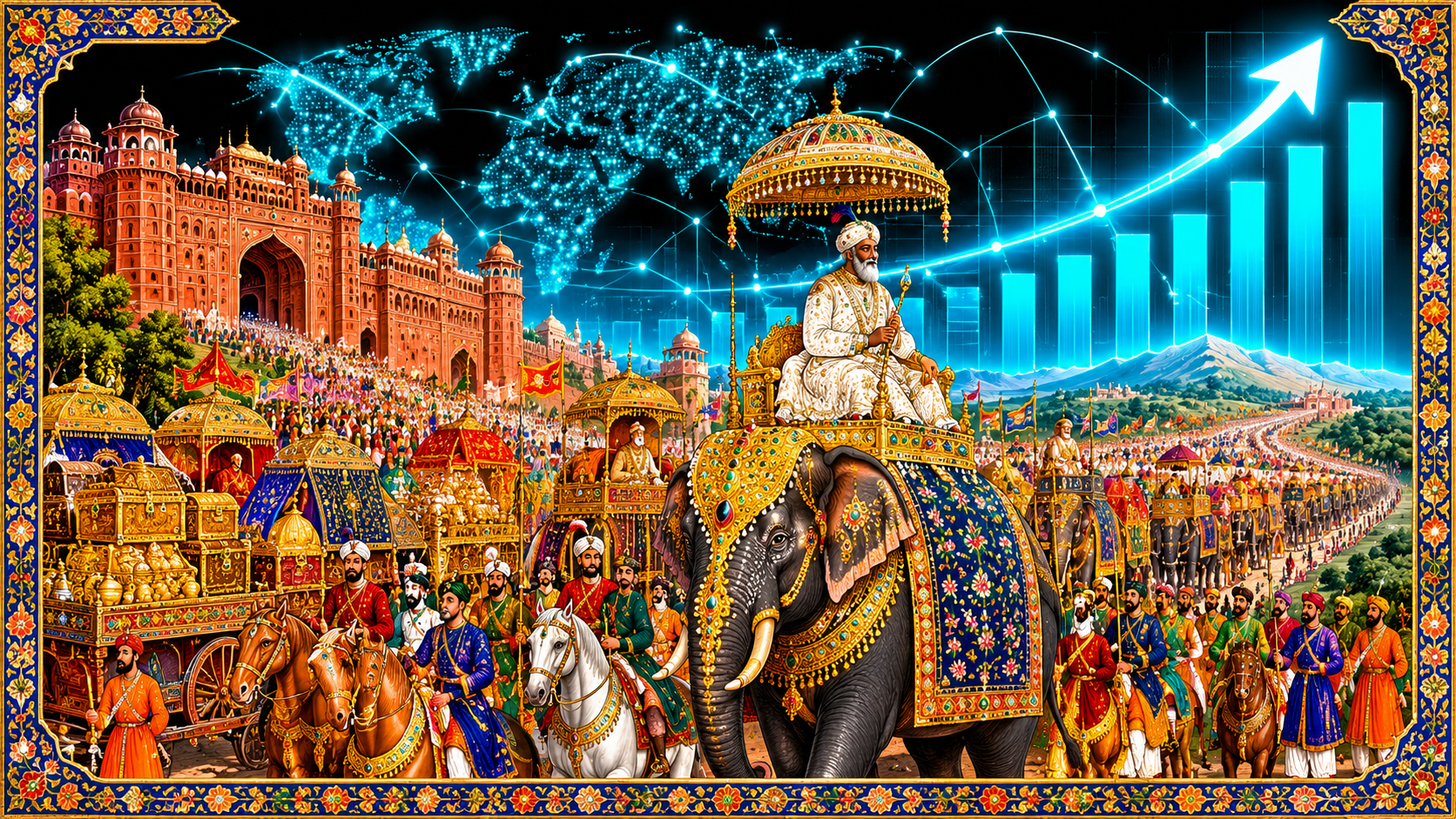
In 1681 the Mughal emperor Aurangzeb left Delhi to finish a war in the Deccan, the plateau of southern India. He was already the most powerful man on earth. His empire covered most of the subcontinent and its revenue was larger than all of Europe's combined. He brought the court with him: a camp of several hundred thousand people, elephants, treasury, bazaars, the whole government on the march. He expected to be gone a couple of years.
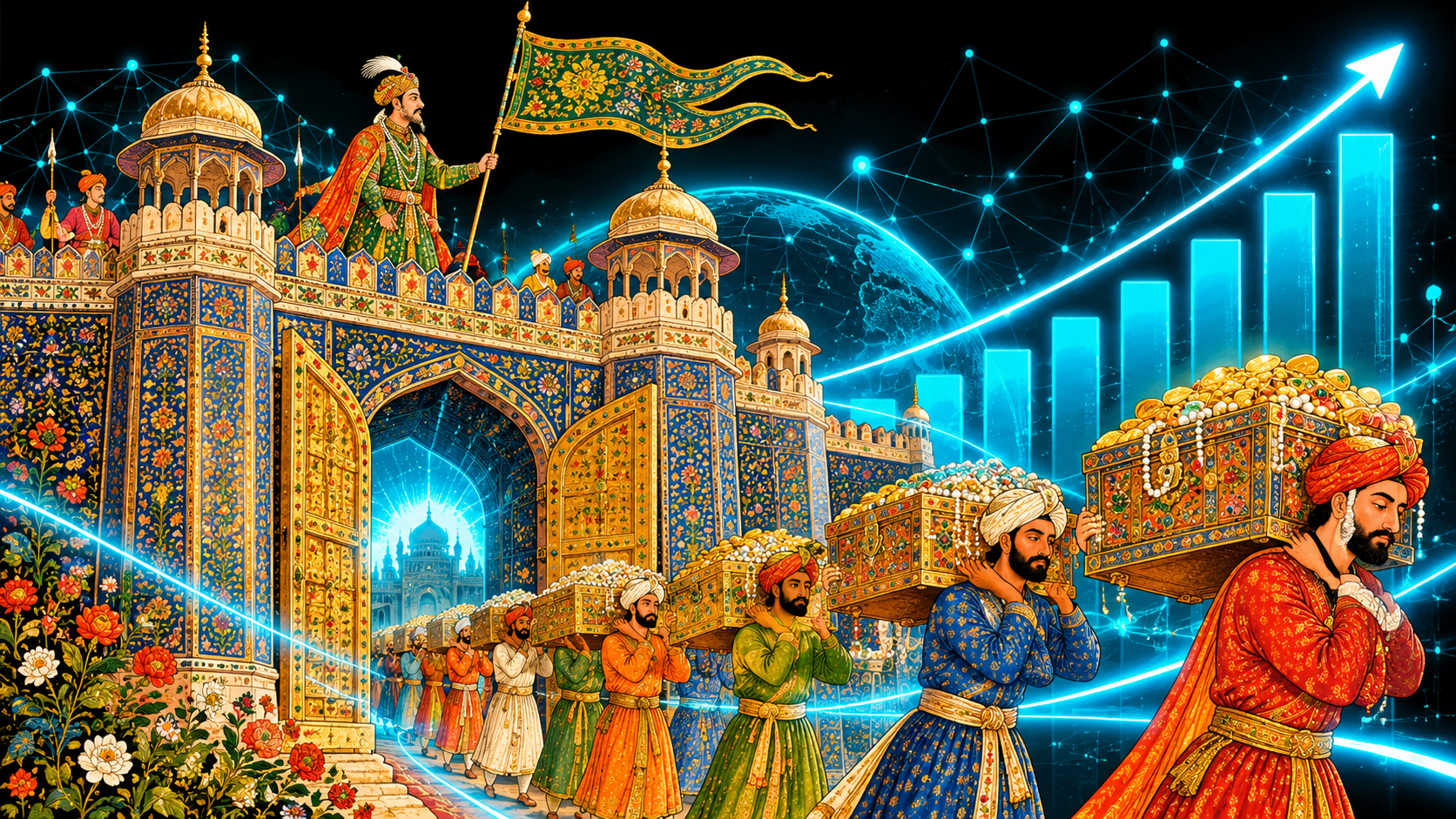
The first part went exactly to plan. The two sultanates in his way, Bijapur and Golconda, were the Persia type: one ruler, a court, a treasury, a fortress. He besieged Bijapur and it fell in 1686. He besieged Golconda, the richest diamond market in the world, and it fell in 1687. Two kingdoms, hard to take, and once taken they stayed taken. The treasure was staggering.
Then he turned on the Marathas, and the Marathas were the other kind. No single capital to take. No one ruler whose death ended it. Dozens of hill forts in the Western Ghats, each held by a chief with his own men, light cavalry that struck a supply column and vanished into ravines where elephants and cannon couldn't follow. Aurangzeb captured their king, Sambhaji, in 1689 and executed him, and it changed nothing, because there was no throne to sit in. Every fort he took, another chief took back when his army moved on.
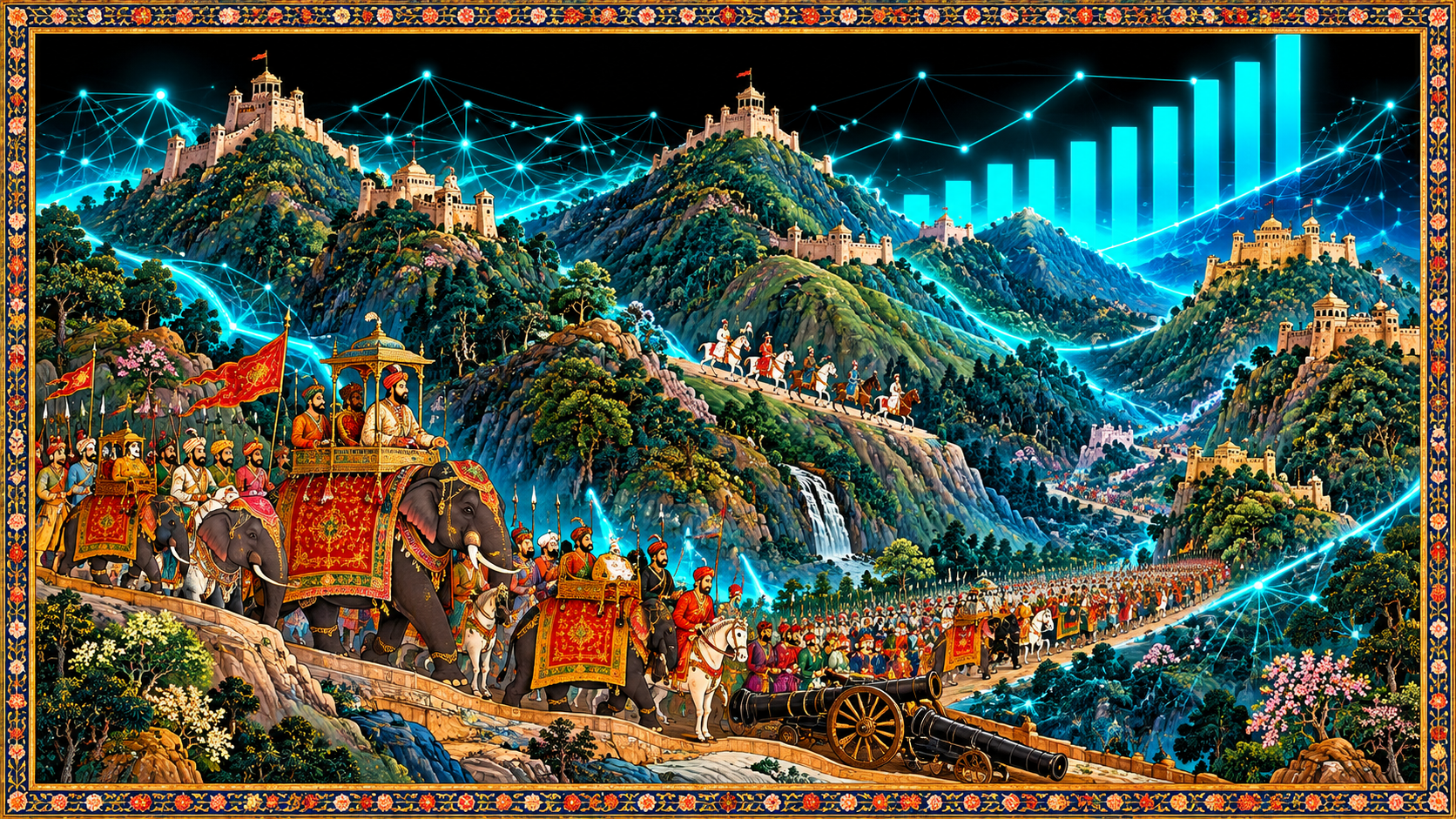
He stayed twenty-six years. The emperor who meant to be gone for two was still in the Deccan at eighty-eight, his camp grown into a permanent mud-walled city, his treasury drained, his best commanders dead of old age, sewing prayer caps in his tent to pay for his own burial because he was ashamed of what the war had cost. He died there in 1707 having won nearly every siege and lost the whole thing.

Within a generation of his death the Mughal Empire had cracked into pieces, the Marathas were the dominant power in India, and the Deccan he'd spent a quarter century conquering belonged to the people he'd spent it fighting. Easy to take. Impossible to hold. He had the biggest army and the deepest treasury in the world and none of that matters against terrain and structure you don't understand.
Hard to take, easy to hold: Rome in Italy
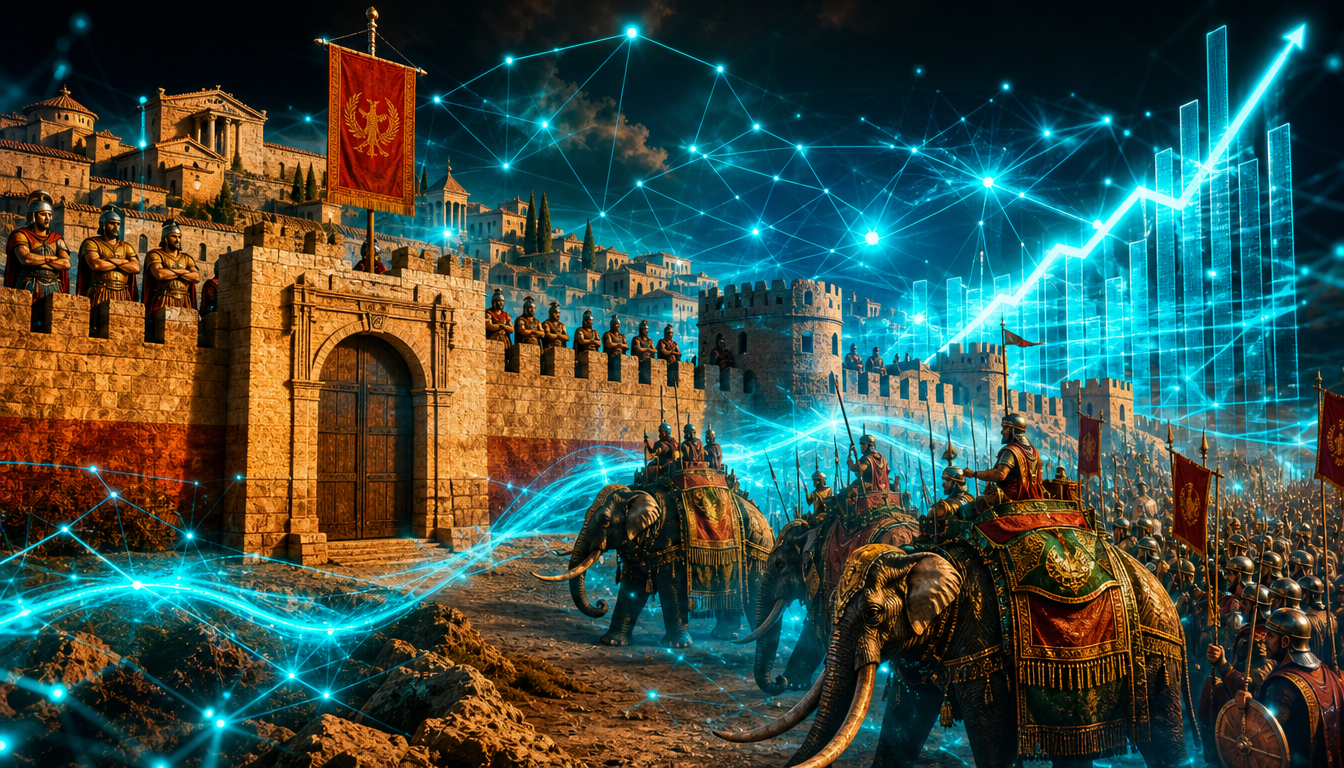
Now the other way. In 338 BC Rome beat its Latin neighbors in a war and faced the usual choice: enslave them, tax them, garrison them. Instead it did something nobody expected. It made them Romans. Different grades of it, full citizenship for some towns, citizenship without the vote for others, but the deal was the same: you're inside now. You fight in our army, you get our law and our protection, and your children can become us.

Then it built the plumbing. The Via Appia in 312 BC, a straight paved road from Rome to the south, so an army or a grain cart could move in days instead of weeks. Then more roads. Every conquest got a road back to the center before it got anything else.
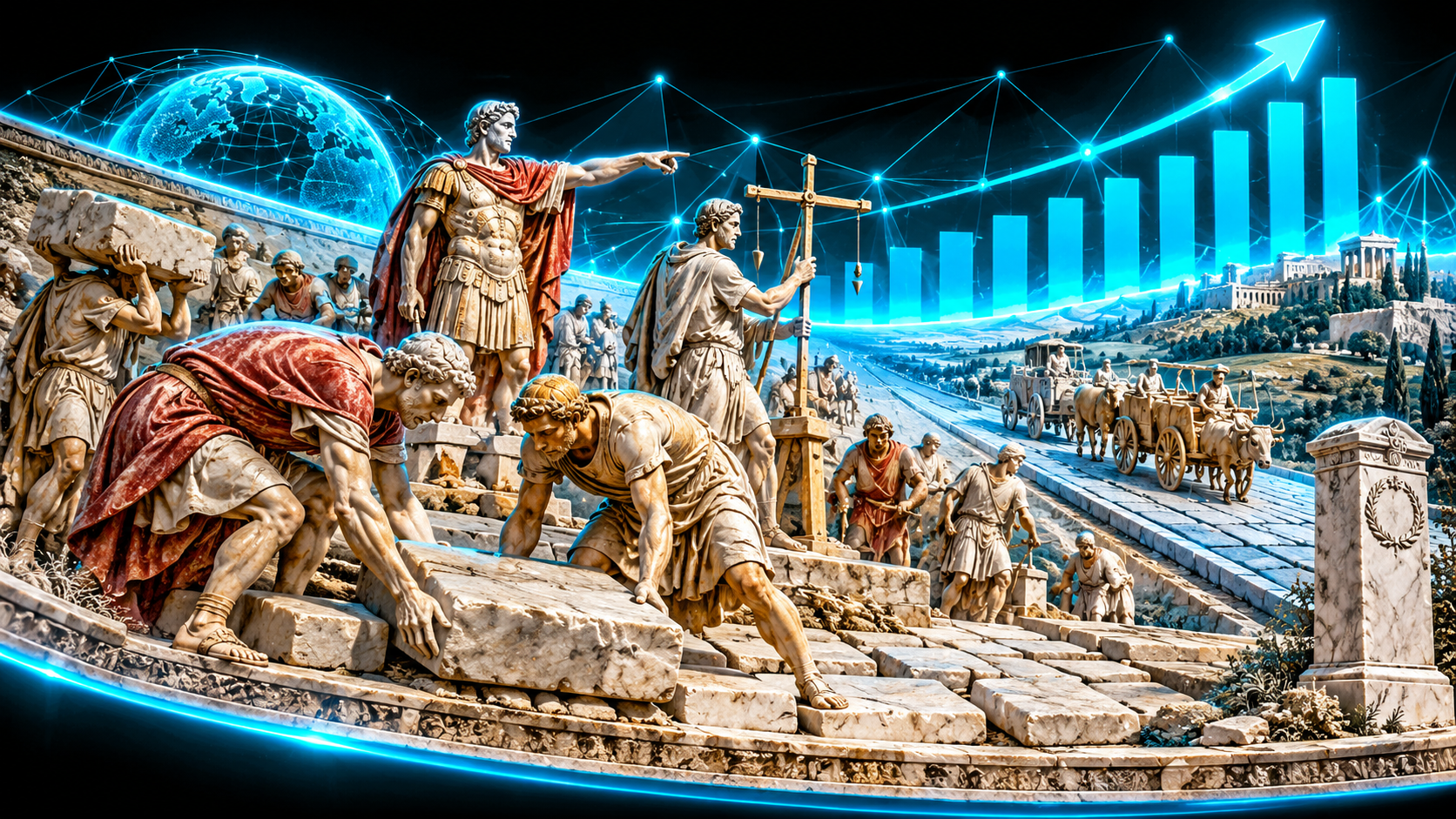
And it planted colonies: towns of Roman citizens dropped at every river crossing and mountain pass that mattered, each one a garrison that farmed, married locally, and tied the region to Rome by blood inside two generations. The map of Italy slowly became a net of Roman towns connected by Roman roads, with the allies stitched in between. Rome spent seventy years doing this before it ever sent an army overseas.
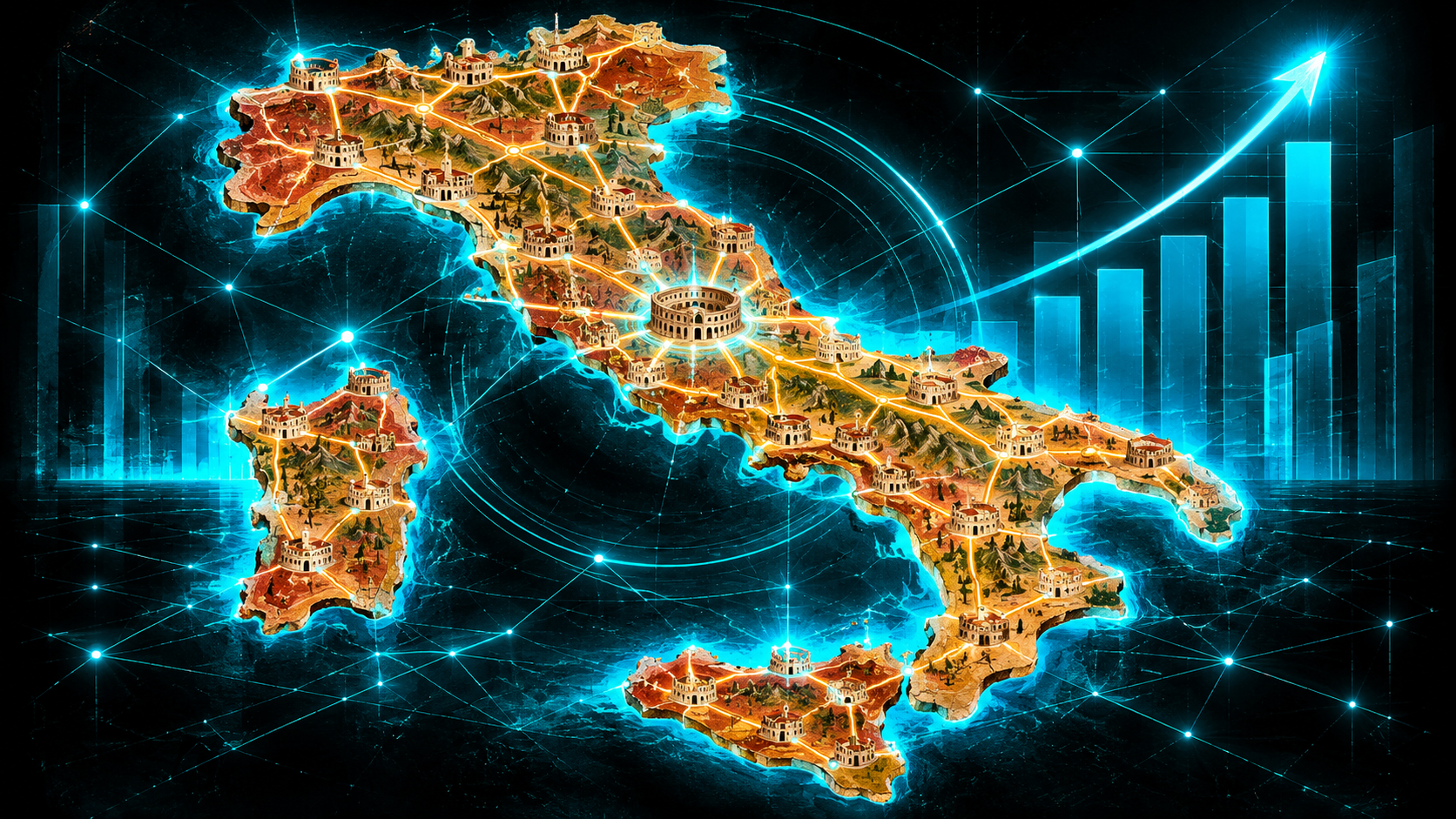
The proof came when Hannibal showed up. His entire strategy in Italy depended on the allies defecting. He'd beaten Rome in the field three times, he was camped in their backyard, he offered every town freedom from Roman rule. And almost all of them kept their gates shut. They weren't Rome's subjects anymore. They were Rome. He spent fifteen years in Italy waiting for a collapse that never came, because what Rome had built was the one-tower kind, and there was no baron to open the door.
The lunch
Now the part where I'm Aurangzeb. I'm changing some details in this story out of respect for privacy. And yes, I'm publicly sharing a failure here. I don't care.
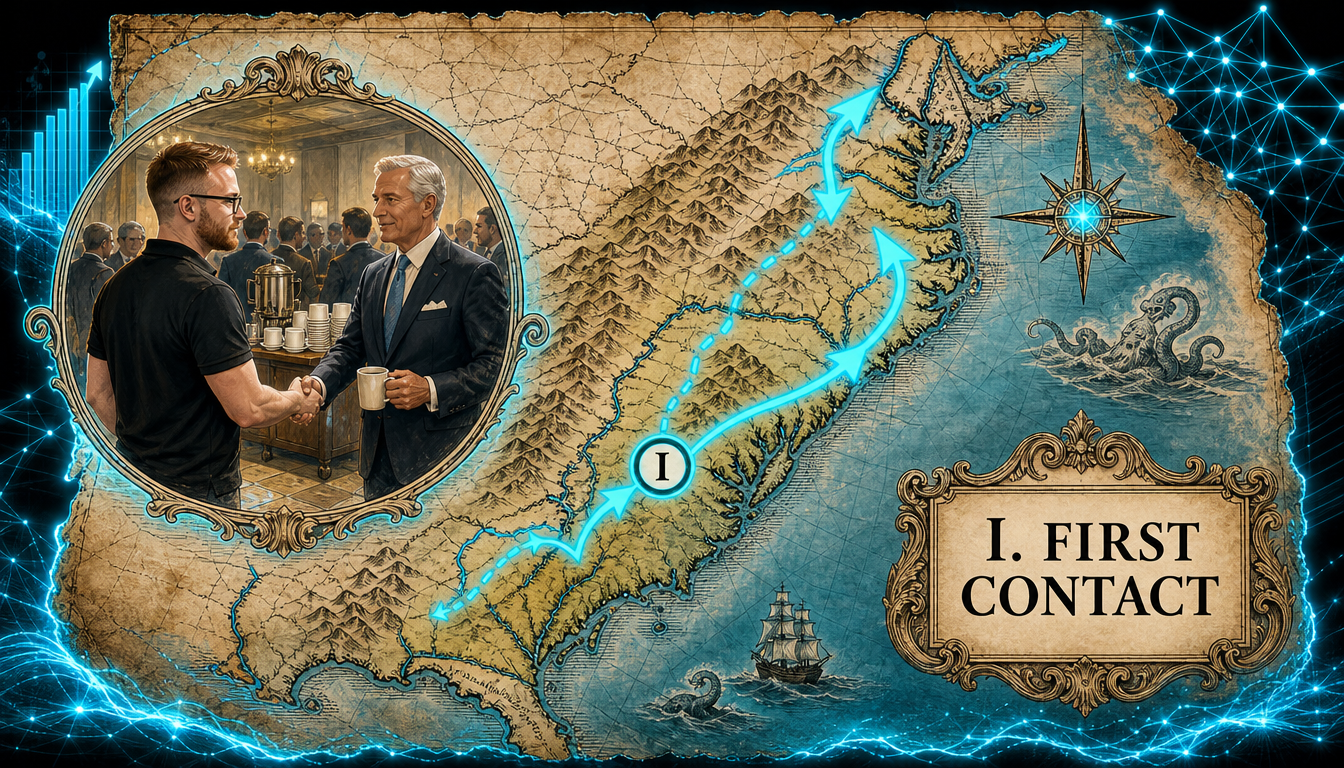
About a year ago I was at a conference with one of my clients, and we met a gentleman. I didn't know it at the time, but he was probably worth $250 million. He owns something like 50 companies. Five zero. I asked him where he was from, and he's from the Deep South.
We talked on the phone the next day. He had a guy handling his marketing, and the guy was not doing a good job at all. Terrible. In his industry he should have been paying $100 a lead at the very most, and honestly closer to $80 or $60. He was paying $700.

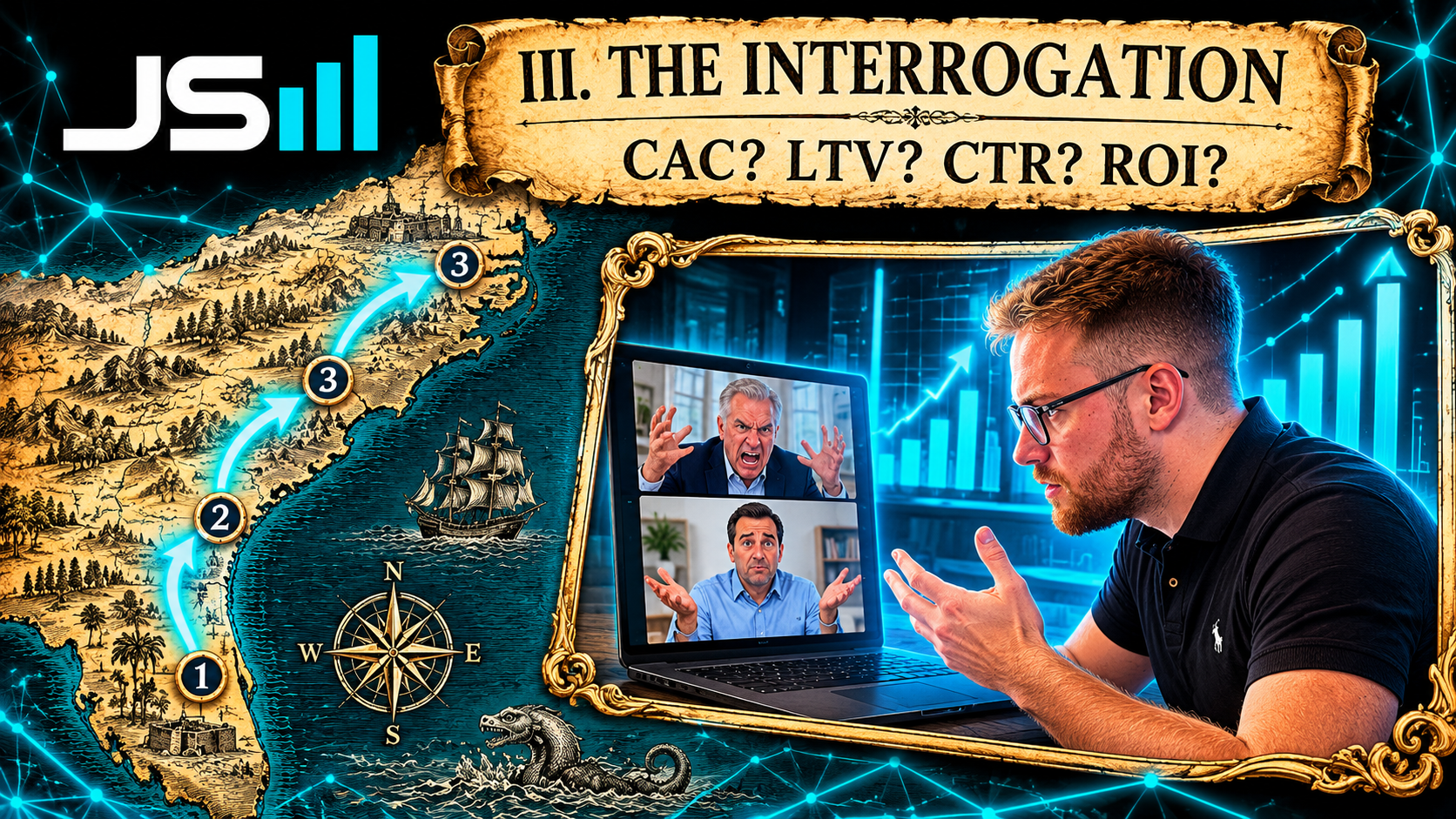
So I got on a Zoom call with him and his marketing director, and I asked basic questions. What's your CAC? What's your LTV? What's your click-through rate? What are you paying per lead? What's the return on the spend? The marketing director had no idea. The look on the owner's face was priceless. He was furious.
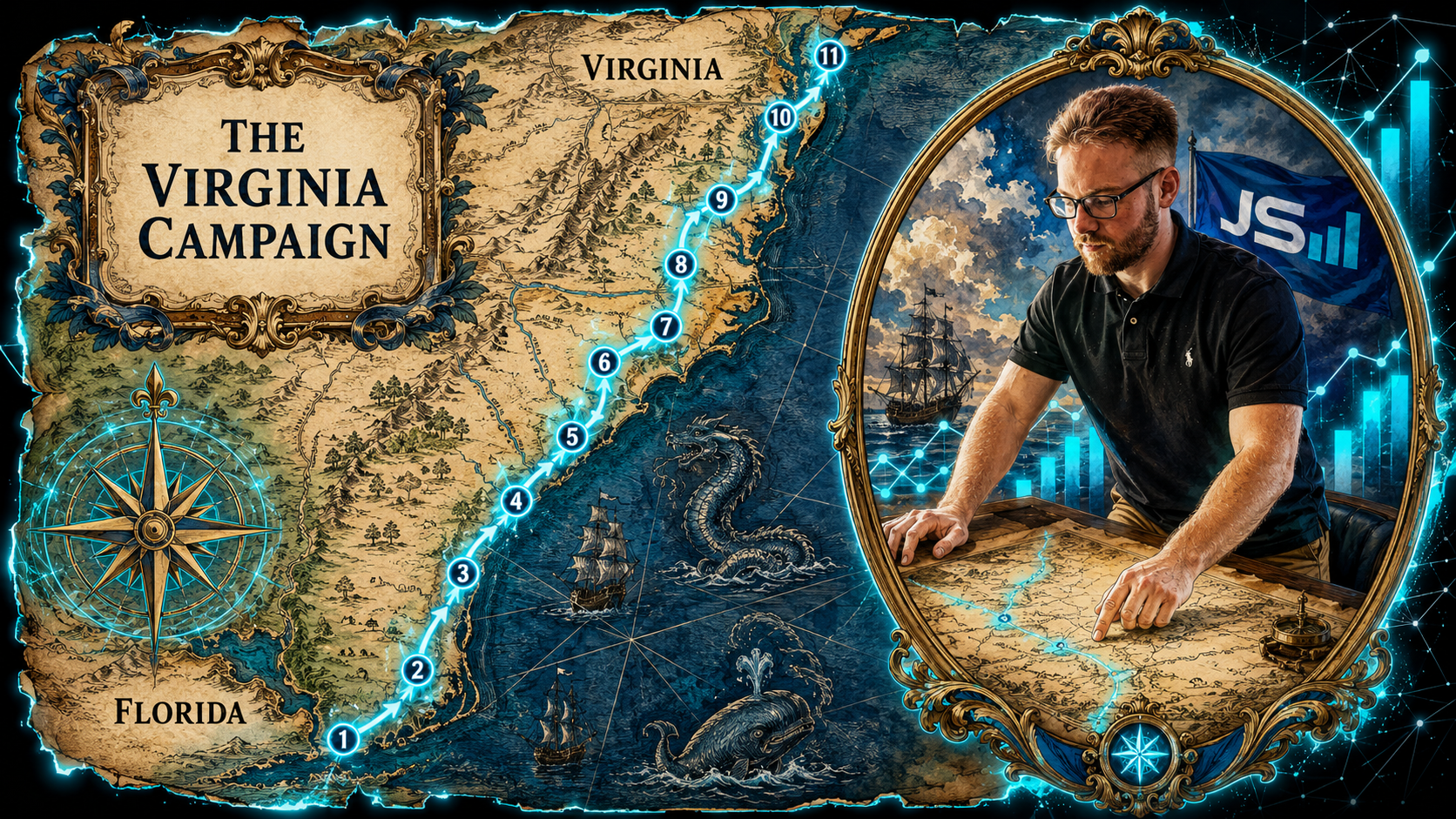
I'm in Florida, and his business was a few states up, in Virginia. So I'm thinking, you know what, I'm going to LARP as Alexander the Great today. Let's go conquer. I told him, "You're a successful businessman. I want to be like you. I'm taking you out to lunch." I drove up from Florida and stayed in a nice hotel.

We met at his office first. While we were talking through things he kind of went, "So what's the price?" I said, "I promised you lunch. We're going to grab lunch." So we did.

At lunch I made a little move of charm. A guy worth that much is used to paying for everything, so before he could reach for the check, I handed the waitress my credit card. He was surprised. Not a trick, just a little maneuver, and it warmed him right up.

Then his whole team, everybody except the marketing guy, started asking me questions about the product. I'd like to think I handled that little Shark Tank session well. Then I said, "Look, I drove all the way up here. We both want this handled. Let's just get the first payment done."

I got $5k. Cool. Everything seemed to be going well. Gates open, treasure out, banner up. I'd taken it.
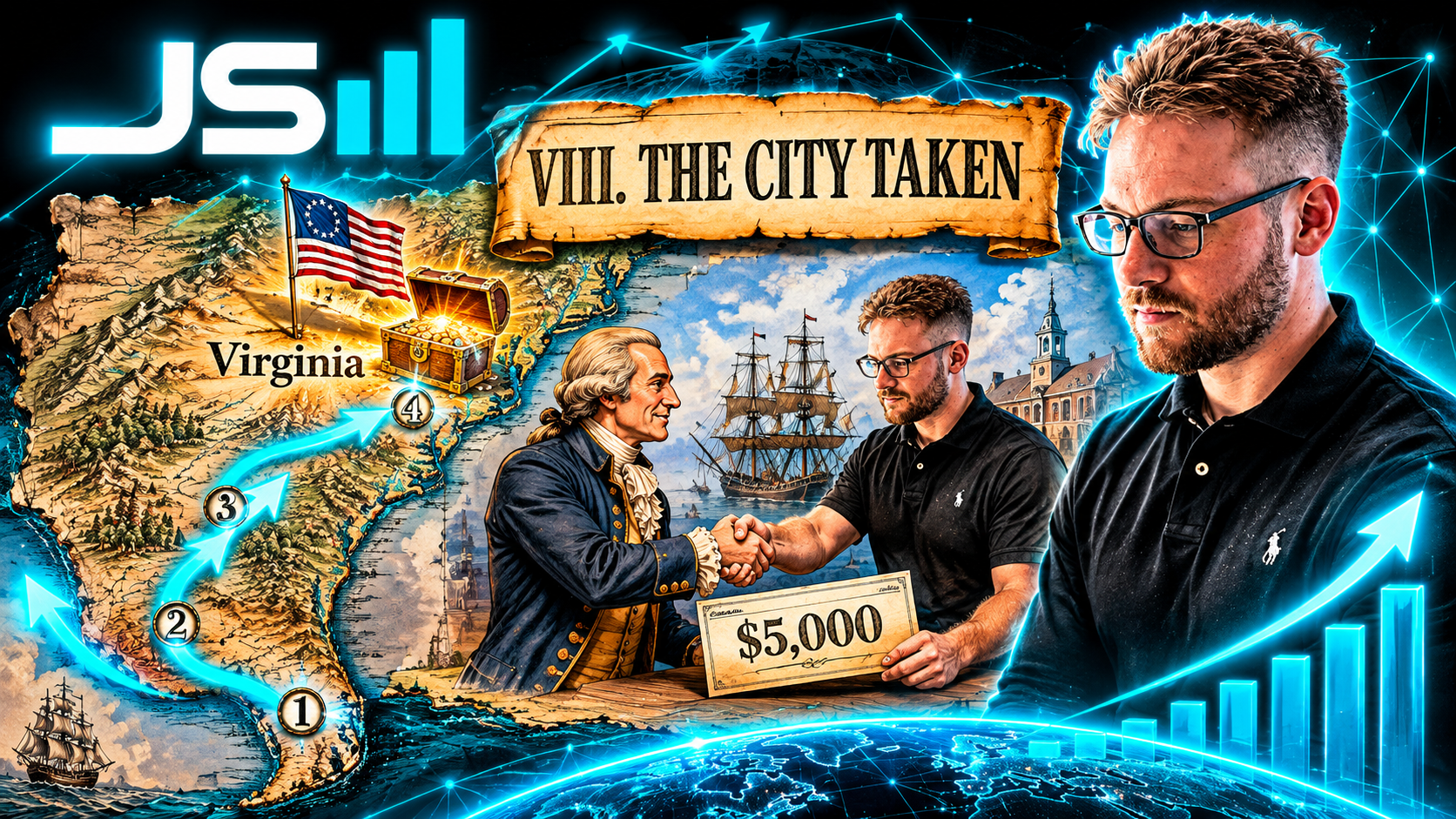
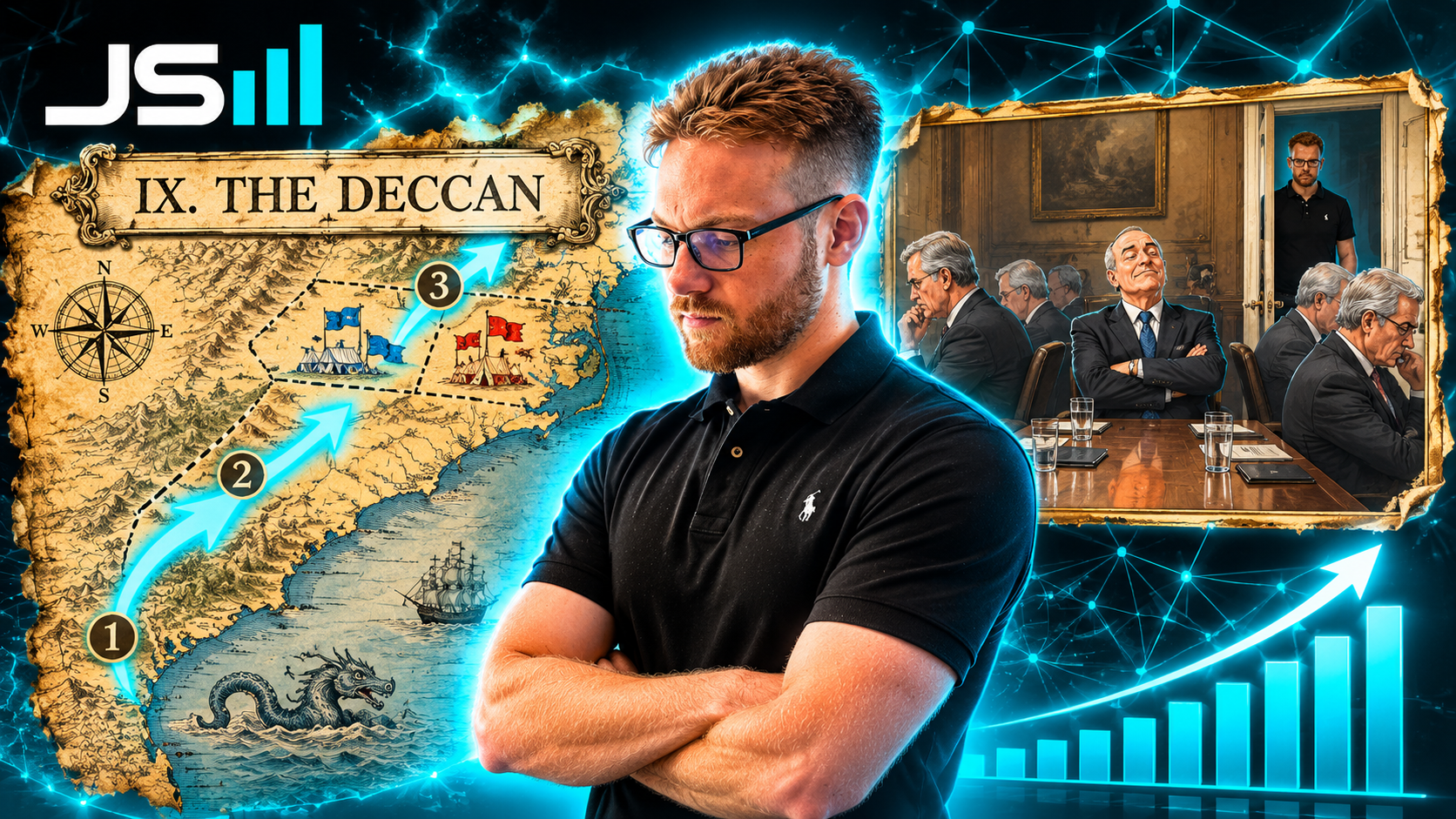
Then I tried to hold it, and found out his company was the Deccan. There was a lot of internal division. Not everybody could get along. The marketing guy was universally hated, and for some reason he still had sway.
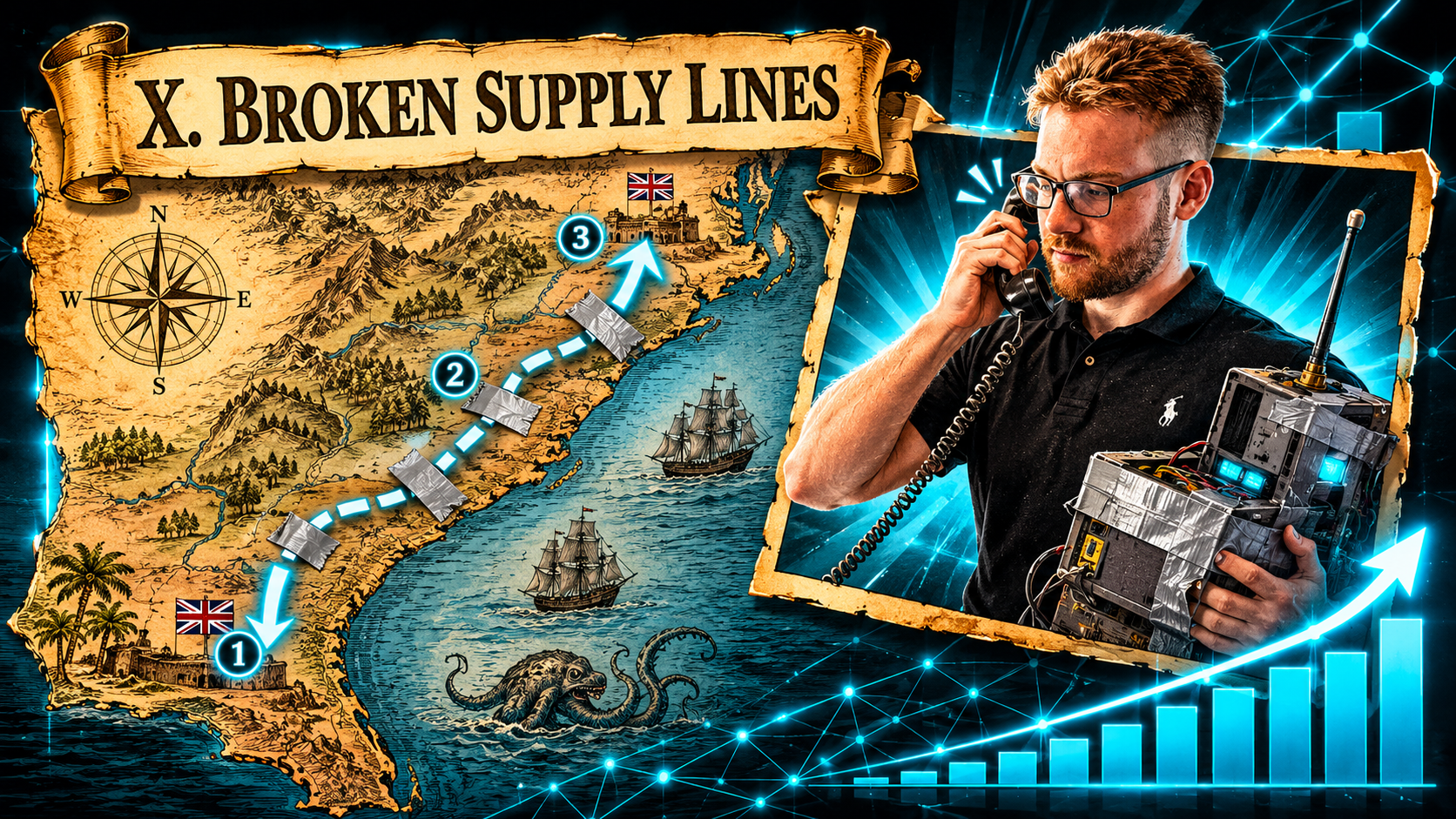
And here's the part that's on me. Yes, I know you're supposed to design this stuff to be scalable. My systems weren't quite ready. This was before I built HyppoCRM, and what I was running was the most duct tape and chewing gum setup you've ever seen. So I had to do a lot of the communicating on the phone.
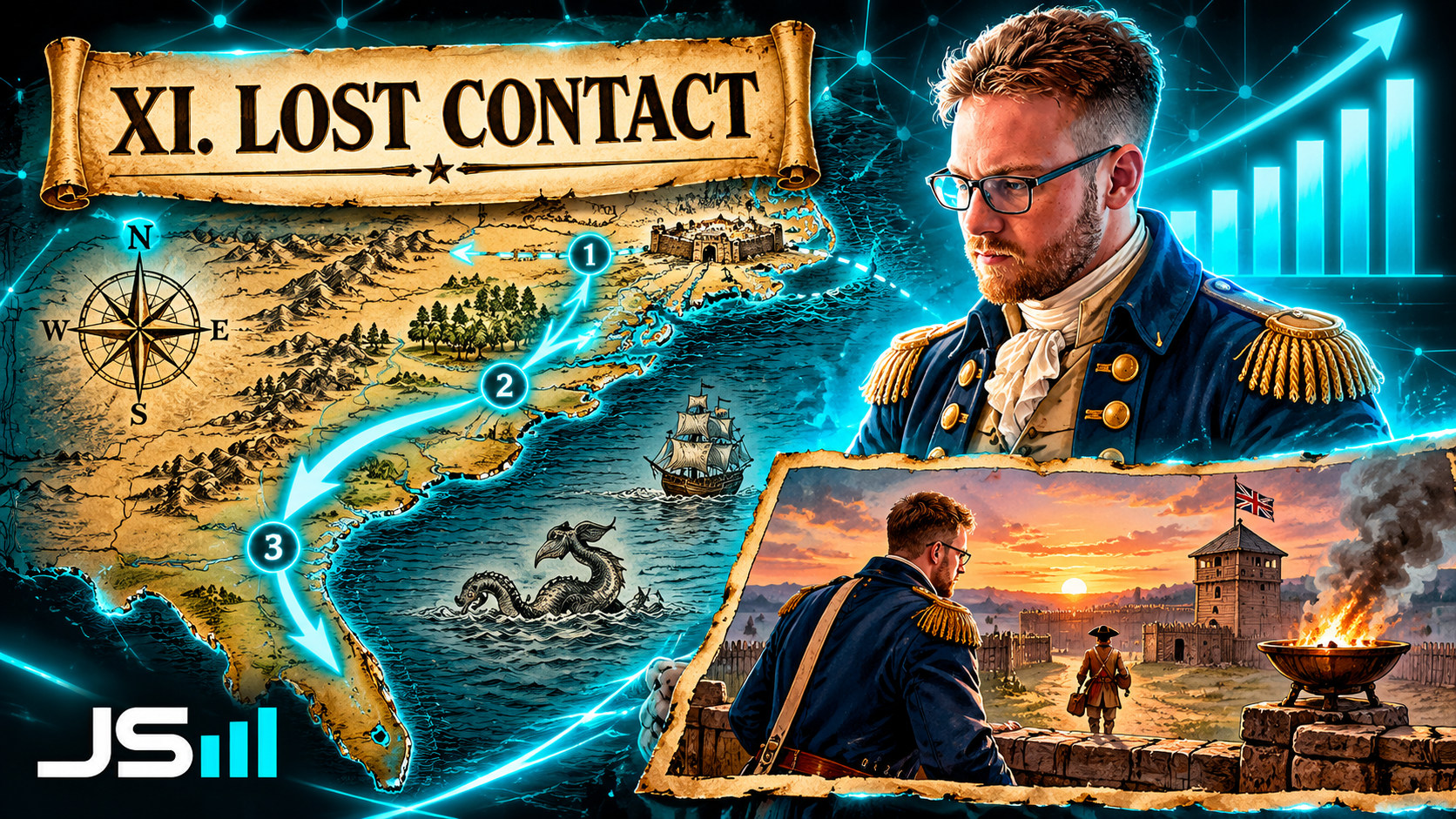
Keeping up communication with Virginia was hard. I had to get through all the various gatekeepers, and a man worth $250 million isn't exactly easy to get hold of. The delay drained the interest out of it. Eventually the project stalled out, and my glorious little border province just lost contact with the empire.
What I actually learned
I was a flash-in-the-pan conqueror. I showed up charming and won the deal. It got me a $5k check, and I was happy about that. But it didn't turn into anything lasting, and it could have been way more money.

Charm takes. Systems hold. My systems weren't there. Rome didn't hold Italy because Roman generals were charming. It held Italy because of roads, colonies and citizenship, and once those existed the generals didn't matter. If everything depends on your charm and your ability to maneuver, you've taken something you can't hold.

Know what you're good at. The internal divisions were the second problem, and I'm not a good politicker. That's just not what I'm good at. I'm good at creating systems and building things. A company split into camps, where the guy everyone hates still has sway, needs a politician, and I walked in anyway.

Don't chase glory. I walked straight into the Crassus trap. Crassus marched into the desert chasing glory he wasn't built for. I went into the mountains chasing mine. A quarter of a billion dollars, fifty companies, a great story to tell. That feeling is exactly what kept Aurangzeb in a tent for twenty-six years.

Speed is king. The deal didn't die because he said no. It died because of the delay, and the interest fell out. The window between "yes" and "let's revisit this" is where everything you took gets taken back. Aurangzeb gave the Marathas twenty-six years to regroup. I gave the marketing guy all the time he needed. If my systems had been running and we could have gotten things off the ground fast, the owner's enthusiasm would have carried it through.

Read the structure before you take the deal. One owner who decides, writes checks and owns the outcome is Golconda: hard to win, and once you win it, yours. A company split into camps, a hated marketing guy with sway, and a wall of gatekeepers between you and the decision is the Deccan. You can win every meeting and never hold it. Price that in, or walk past it.

Here's the checklist I use now, before I buy anybody lunch:
- Is this a one-tower company or a many-castles company? Who actually decides, and can I reach them without going through a wall of gatekeepers?
- Can I deliver inside a week of the yes? If not, I'm not ready to take it, and taking it early just hands momentum to whoever wants me gone.
- What has to be true for this to run without my charm? If the answer is "nothing yet," that's the thing to build first.
- Does winning this take a politician? If it means managing factions and that isn't my skill, price it in or walk.
- Is the glory doing the thinking? Big net worth, big story, bad structure. Walk.
- Would Rome take it? Can I connect it, standardize it and make it mine inside a quarter? If I can't see the road, I don't want the city.

Aurangzeb took every fortress and held nothing. Rome took its time and held everything. I drove to Virginia, bought the man lunch, took a $5k check, and learned which one I'd been. Build the roads first. Then buy the lunch.

Want to talk about what you're building?
Get in touch