
Festina Lente: Build Systems That Outlast You or Your Empire Will Collapse
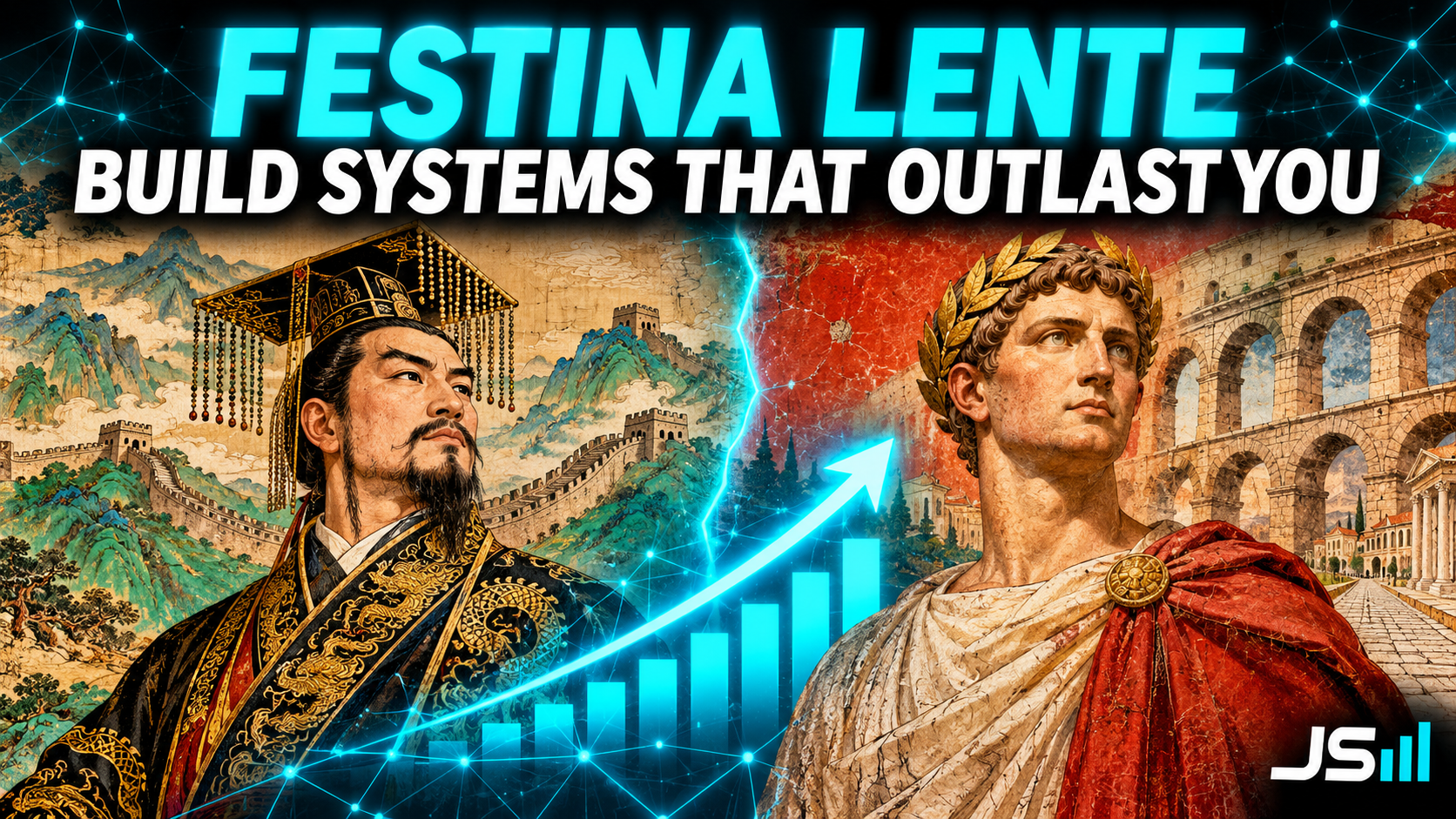
Qin Shi Huang unified China, standardized everything, and his dynasty collapsed fifteen years later with his body hidden behind a cart of fish. Augustus inherited a republic that had been killing itself for sixty years and built a system that ran for five centuries. The difference is the whole job of a founder.
Two men unified a world. One built the most impressive state machine anyone had seen, and his dynasty lasted fifteen years. The other inherited a republic that had been murdering itself for sixty years, and the system he left behind ran for five centuries. The difference wasn't talent. Both were brilliant. The difference was whether the thing could run when they were gone.
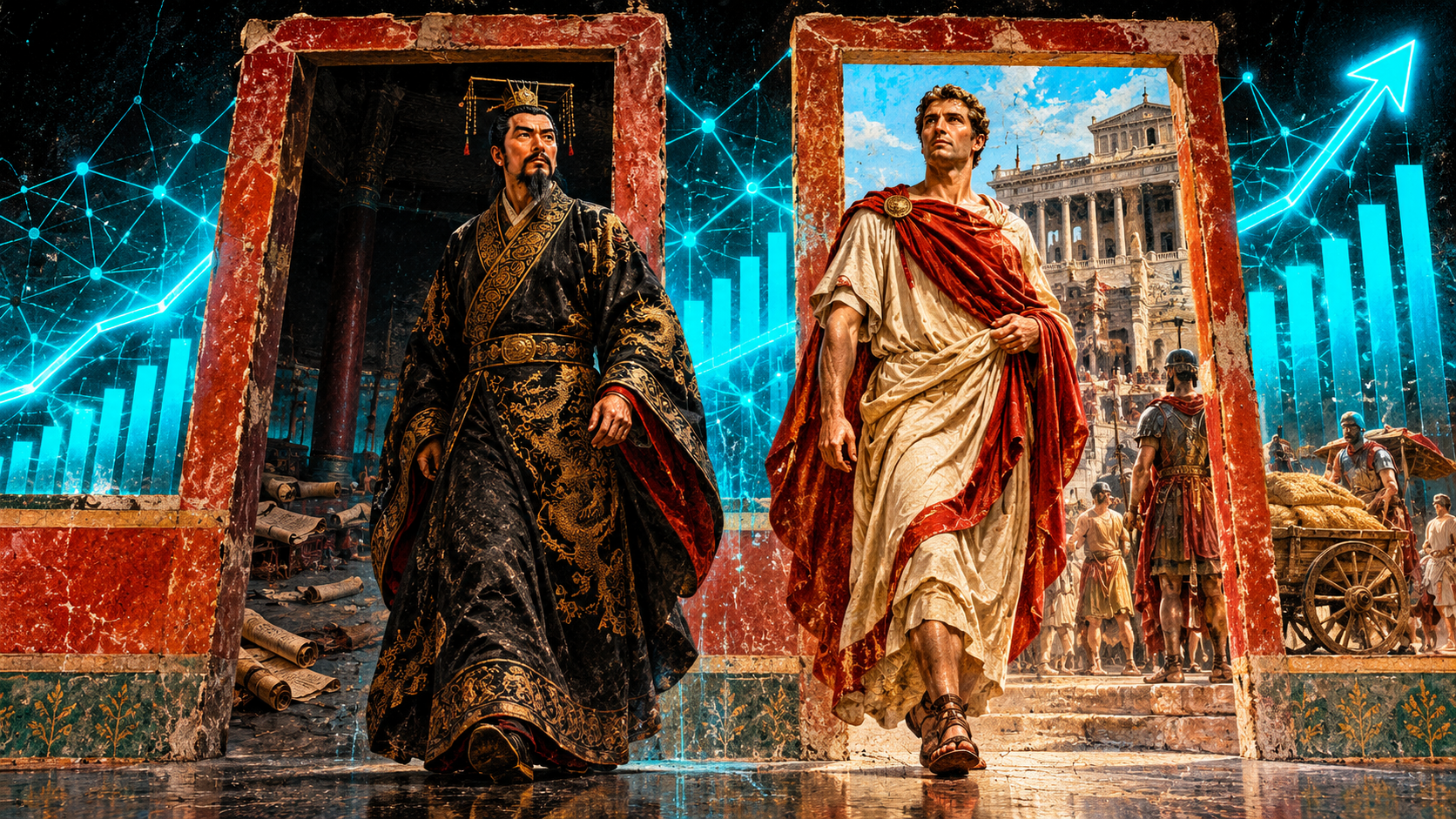
Early on, every company is the founder. That's fine. It's temporary, and the whole job is to make it stop being true without walking out of the room. Most founders never get there, because they confuse being needed with being important. Here's what that costs, at scale.
Qin Shi Huang: the man who was the system
For two and a half centuries before him, China was seven kingdoms eating each other. The Warring States period was exactly what it sounds like: constant war, shifting alliances, no center. Every state had its own script, its own coins, its own measurements, its own cart widths, which meant its own roads. It was a continent that couldn't talk to itself.

Ying Zheng became king of Qin at thirteen. By his late thirties he had conquered all six rivals in about a decade, and in 221 BC he gave himself a brand new title, Shi Huangdi, the First Emperor. Fast, ruthless, and genuinely brilliant. There was no precedent for what he'd done, so he invented the job.

Here's the painful part. A lot of what he did was right, and it lasted two thousand years. He standardized the writing system so a decree in the capital meant the same thing on the coast. One currency, the round coin with the square hole. One set of weights and measures. One axle width, so one cart could use every road in the empire. He abolished the old feudal fiefs and replaced them with commanderies run by appointed officials who answered to the center. That's the plumbing of China, and it's still recognizably there.

He connected the northern walls into a single frontier defense, the ancestor of the Great Wall. Roads and canals across the empire. Hundreds of thousands of laborers moving earth. If you're keeping score on infrastructure, the man built like nobody before him.

But every one of those systems ran through one man. Qin was a Legalist state, which in practice meant harsh law, total central control, and an emperor who personally decided everything. The historian Sima Qian says he set himself a daily quota of official documents by weight, and wouldn't rest until he'd worked through the pile. Read that as a founder. He was the bottleneck on purpose. He didn't want anyone else able to run it.

Then the paranoia. He survived multiple assassination attempts and never recovered from them. He built covered walkways between hundreds of palaces so nobody could see where he was, and anyone who revealed his location was executed. The emperor of all China spent his reign hiding from it.

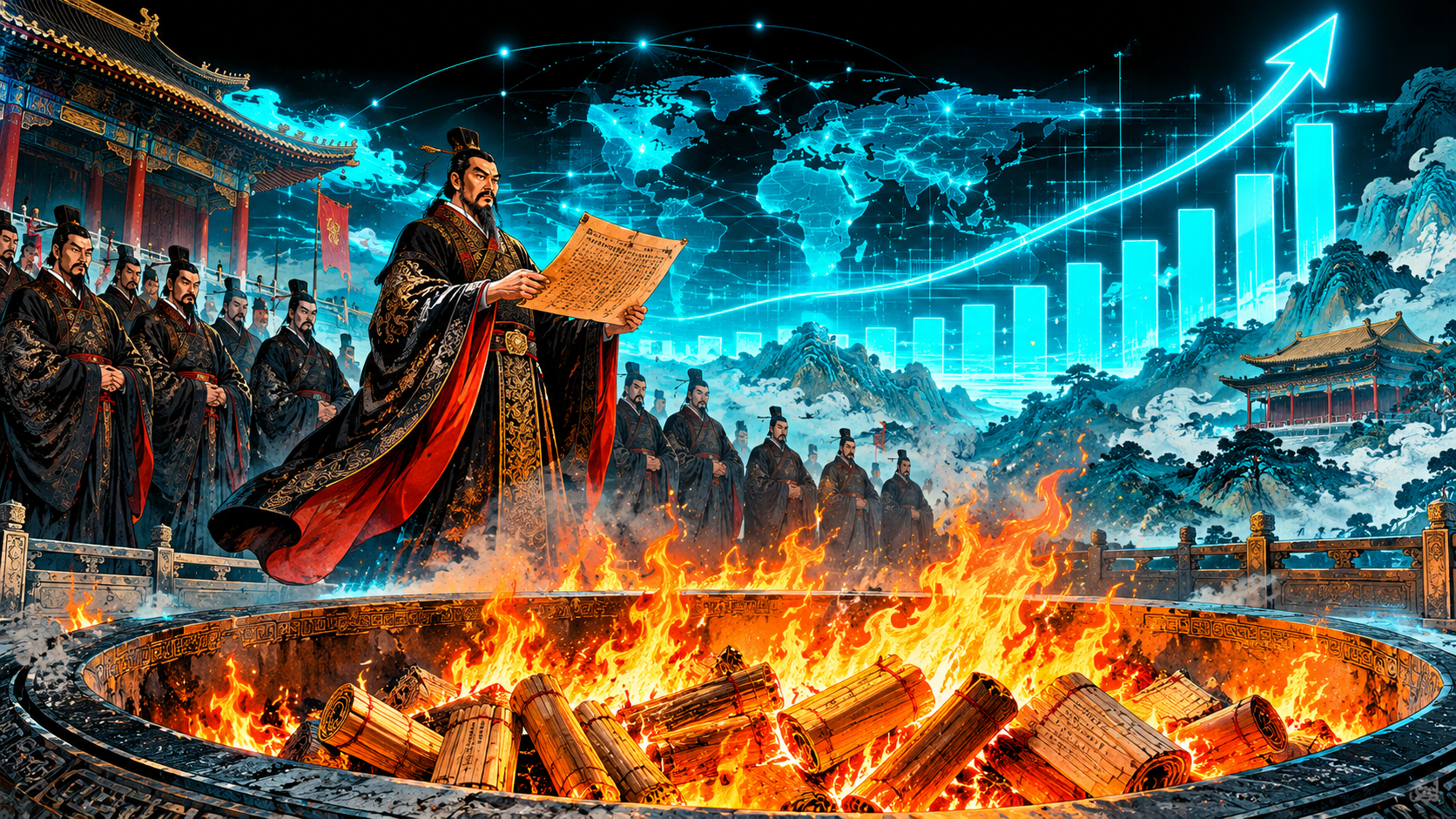
In 213 BC, on his chancellor's advice, he ordered the burning of the histories and philosophy of the other states. The next year, by the traditional account, he had hundreds of scholars executed. Whatever the real numbers, the effect was the same: the people who could have argued with him were gone. He'd removed every voice in the empire that wasn't his.
And then the tell. He became obsessed with living forever. Expeditions sent to find the elixir of immortality. Alchemists feeding him mercury. Seven hundred thousand laborers building his tomb, with an army of terracotta soldiers to guard him in the afterlife. The man building a state for eternity was actually building it for himself, and he knew on some level that it couldn't survive him, so he decided not to die.

He declared his dynasty would last ten thousand generations. He should have worried about the second. For the record, I'm Joseph Sestito III. My grandfather was Senior, my dad was Junior, and I would love to see a Joseph Sestito the Ten-Thousandth someday. In Roman numerals that's an X with a line over it. Yes, I looked it up. Small problem: there is no Joseph IV yet. Three generations down, 9,997 to go, and for a guy lecturing about succession, my own plan is a blank line on the org chart.

The body in the fish cart
In 210 BC he died on a tour of the eastern provinces, far from the capital. His chancellor Li Si and the eunuch Zhao Gao understood exactly what a founder-shaped hole looks like. So they didn't announce it. They kept the body in his closed carriage, had officials deliver meals and reports to it as if he were alive, and when the summer heat made the smell impossible to hide, they loaded carts of salted fish behind the carriage so nobody could tell the difference.
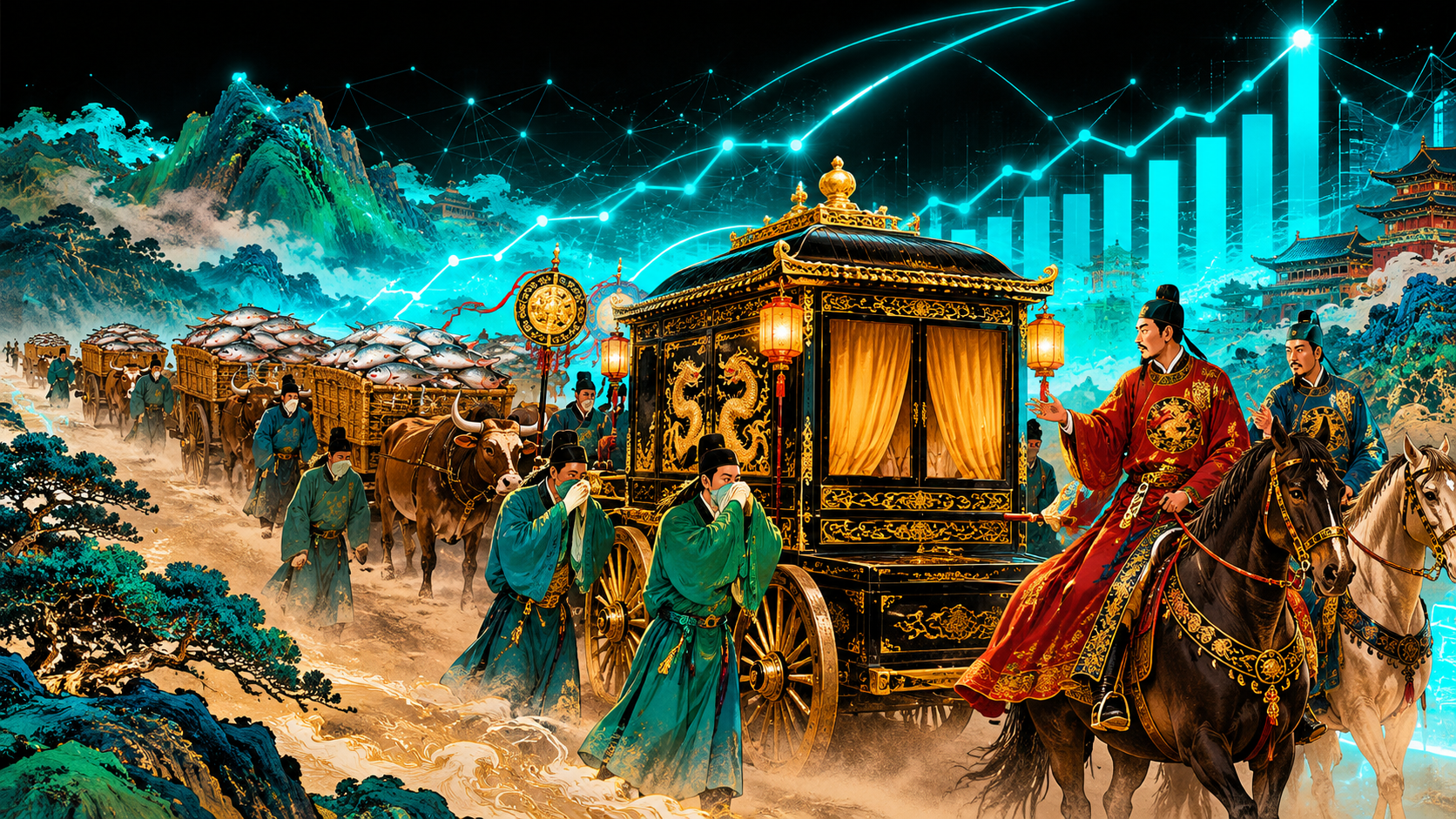
Then they forged his will. The real heir, Fusu, was a capable prince who'd disagreed with his father and been sent to the northern frontier for it. The fake edict ordered Fusu and his general Meng Tian to kill themselves. Fusu, believing it came from his father, did. They put a younger, weaker son on the throne as a puppet.
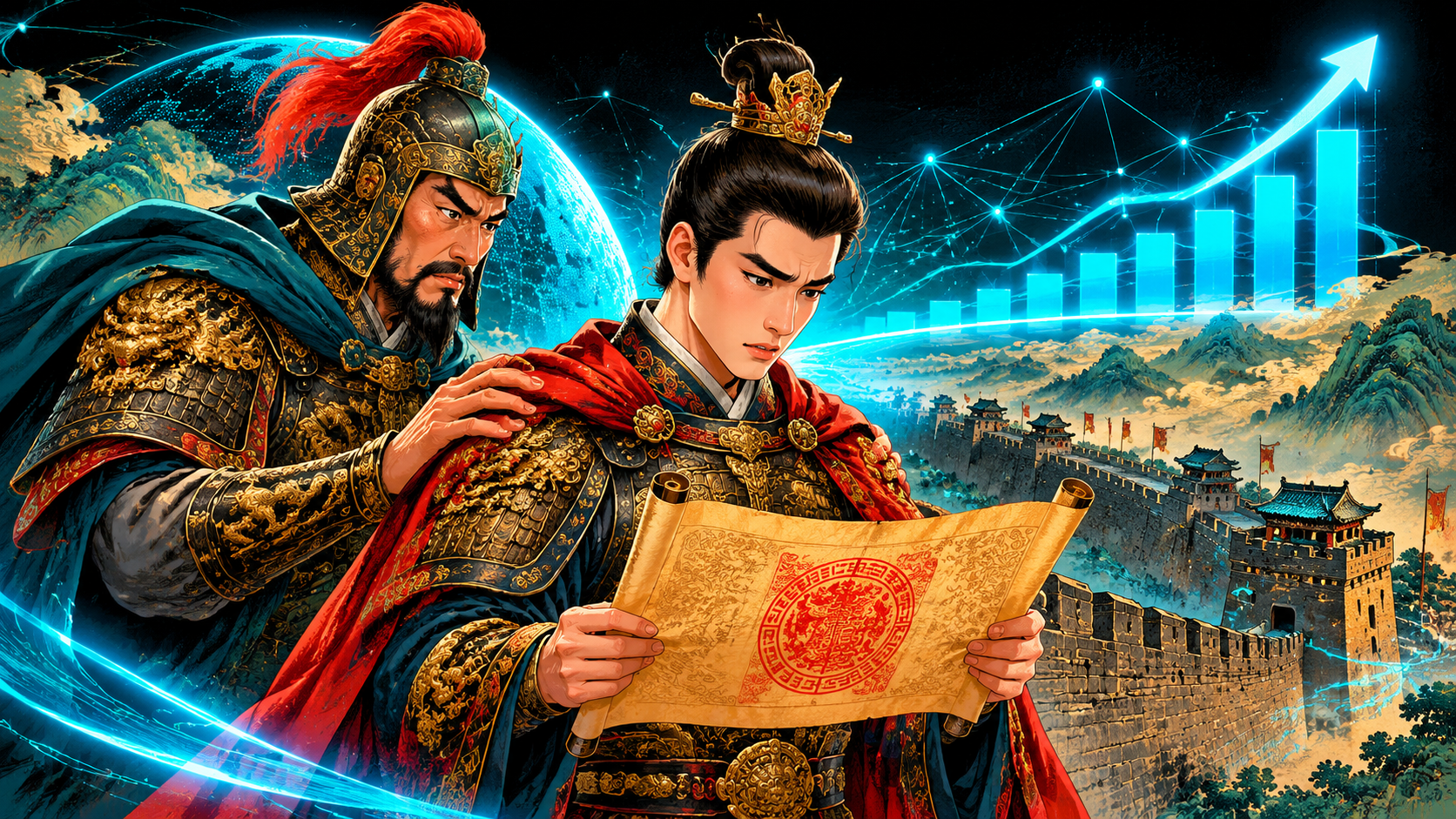
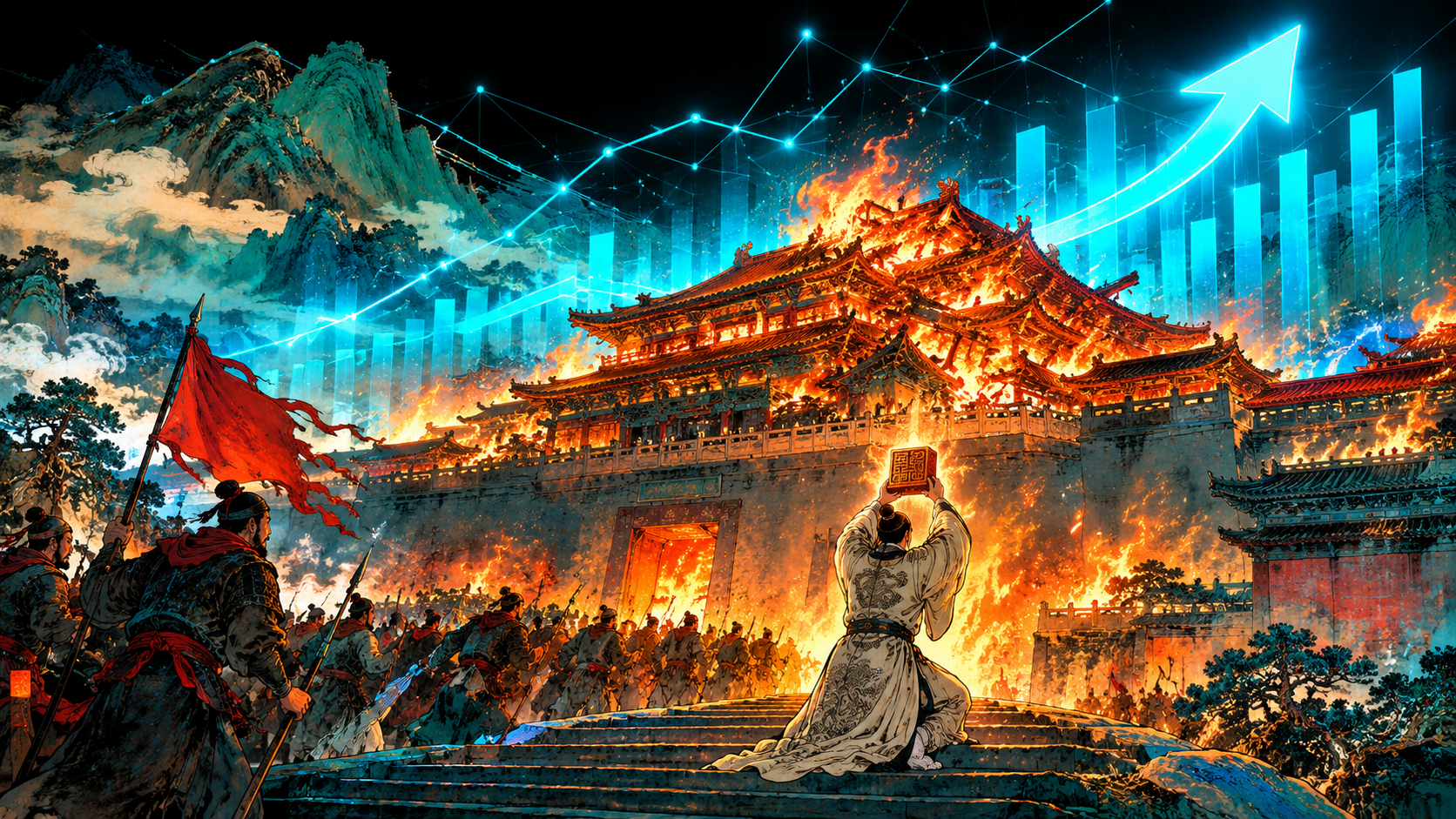
Within two years the whole thing came apart. Zhao Gao purged the court, had Li Si executed, then forced the puppet emperor to kill himself too. Rebellions broke out everywhere, because the harshness that one terrifying man could enforce was unbearable without him. The third and last ruler of Qin reigned for forty-six days and surrendered. The capital was burned. Fifteen years after unification, the dynasty was gone.
Here's the proof that the ideas were good and the operating model was the problem. The Han dynasty that replaced Qin kept the commanderies, kept the standardized script and coins and measures, kept the centralized bureaucracy. They just dropped the terror, cut the taxes, and stopped routing every decision through one man. Same institutions, humane operator. Han lasted four hundred years.

Augustus: the man who built the system and then stepped back
Rome in the first century BC was a republic that had been trying to kill itself for two generations. Sulla marched on the city and posted lists of citizens anyone could kill for a reward. The First Triumvirate carved up power between Caesar, Pompey and Crassus, and Crassus got himself killed in a desert. Caesar crossed the Rubicon, beat Pompey, made himself dictator for life, and was stabbed to death on the Senate floor. Sixty years of men who each believed they personally were the state.
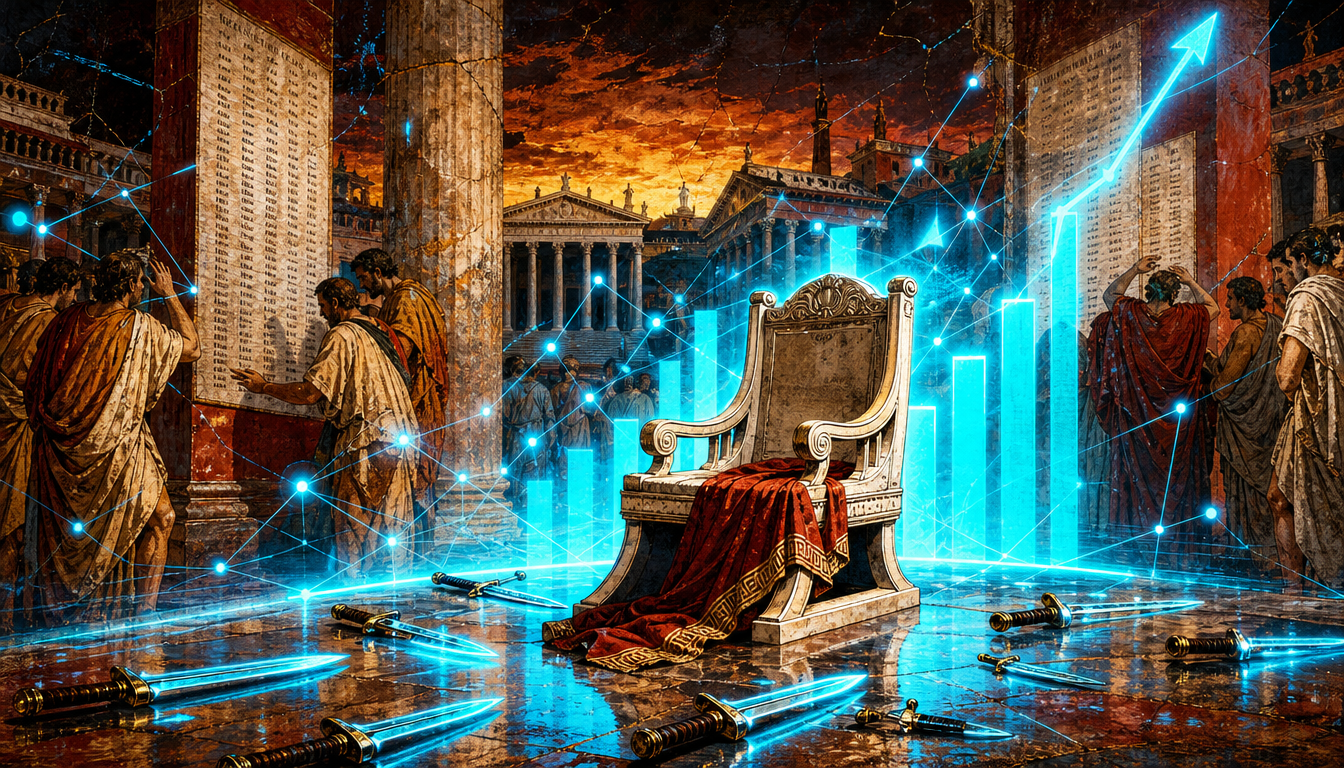
Into that walks Caesar's heir, Octavian, eighteen years old and chronically sick. Nobody rated him. He formed his own triumvirate, ran his own proscriptions with his own hands dirty, won at Philippi, and then spent a decade maneuvering against Mark Antony until Actium in 31 BC, where Antony's fleet broke and Antony and Cleopatra were dead within the year. At thirty-two he was the last man standing, exactly where Caesar had been.

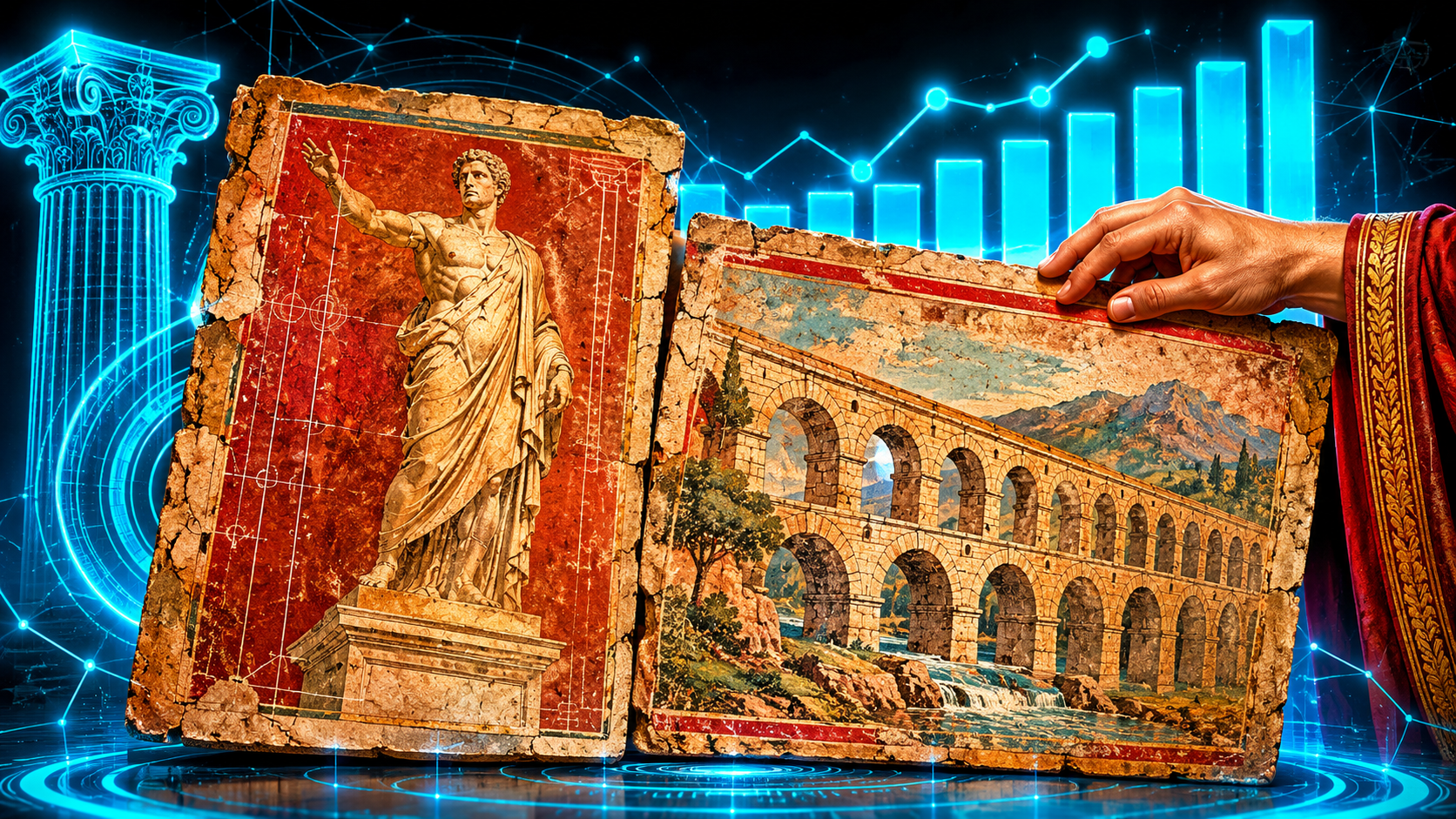
And here's the decision that separates him from Qin, and from Caesar. He could have taken the crown. He'd earned it, by the standards of the day, and he had the legions. Instead, in 27 BC, he stood in the Senate and formally handed his powers back to the republic. The Senate, which he'd carefully arranged, gave most of them right back along with a new name, Augustus. He never called himself king. He called himself princeps, first citizen. The consuls were still elected. The Senate still met. The forms of the republic were preserved, deliberately, because he understood that a system people recognize is a system people will keep running after you're gone.
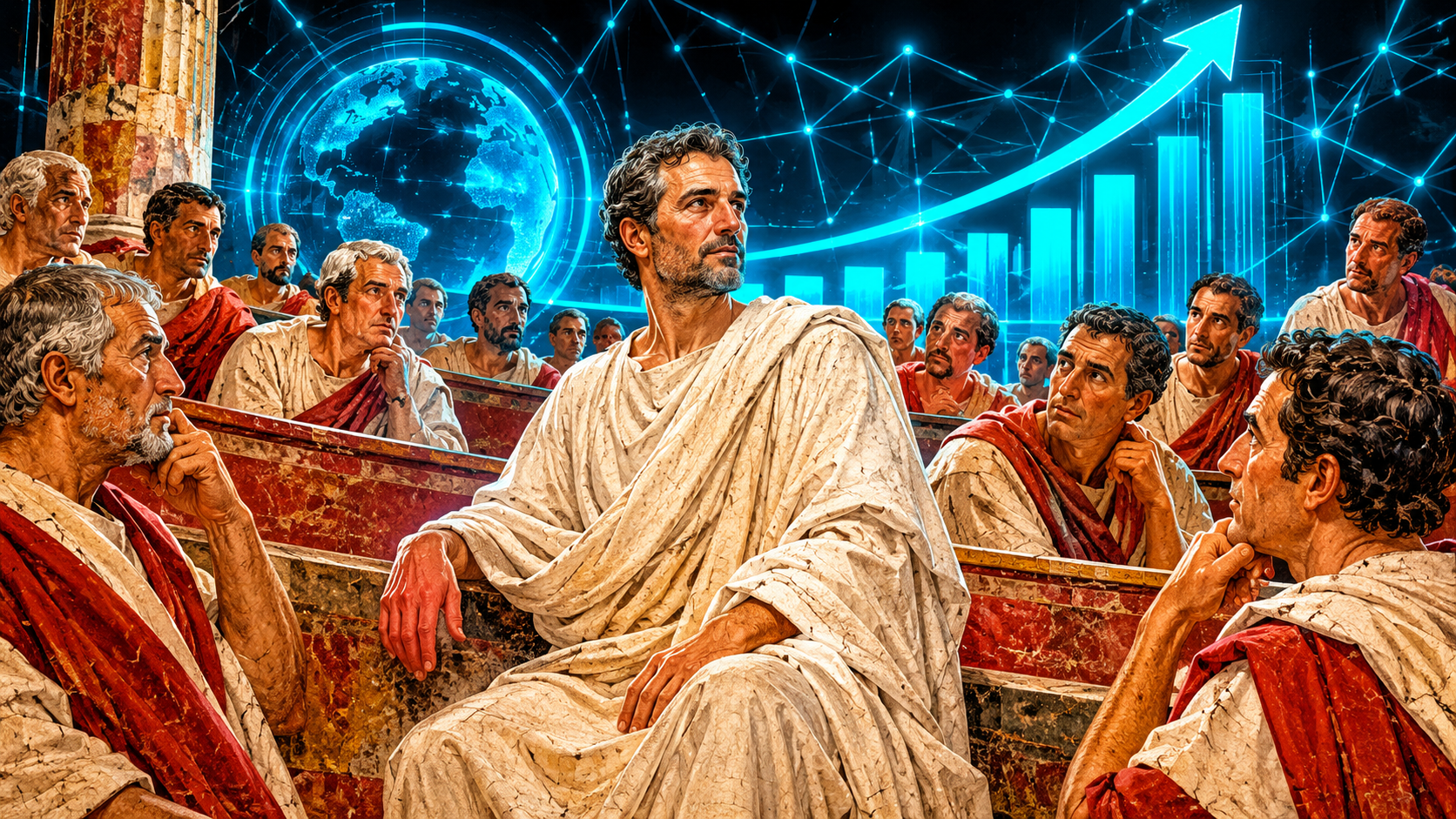
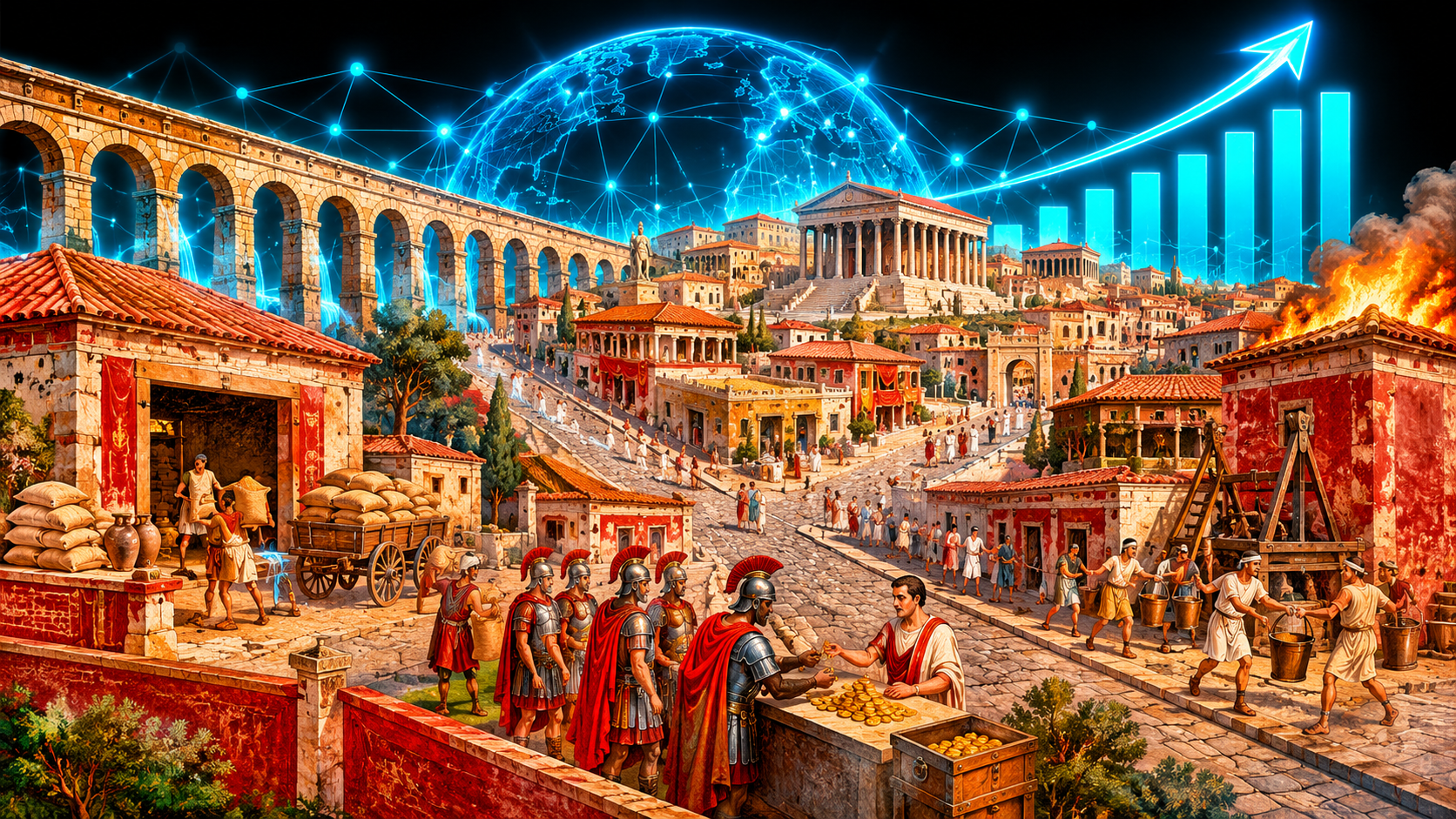
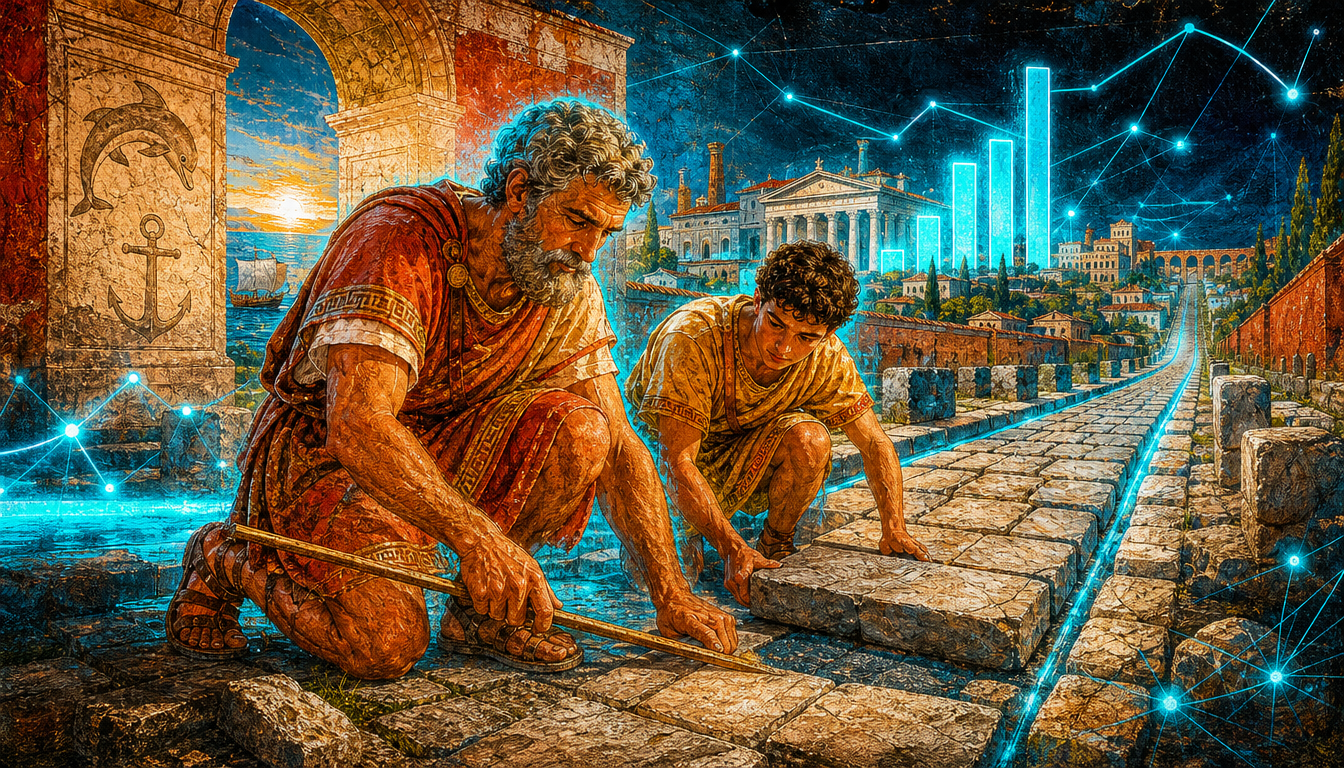
Then he did the boring, permanent work. He turned the army into a professional force with fixed terms of service and a pension fund, so soldiers were loyal to the state and not to whichever general paid them, which is the exact thing that had destroyed the republic. He put the provinces under salaried governors. Roads, a postal service, a fire brigade and police for Rome, a reliable grain supply, a census, a treasury. He said he found Rome a city of brick and left it a city of marble, and the marble was the least of it.
He also knew when to stop. In AD 9 three legions were wiped out in the Teutoburg Forest in Germany. He reportedly walked the palace banging his head against doors, shouting at the dead general to give him back his legions. And then he did something Qin or Alexander never could: he pulled the frontier back to the Rhine and told his successor, in writing, to keep the empire within its borders. Growth was capped on purpose, because he'd rather hand over something stable than something enormous and fragile.

His personal motto was festina lente. Make haste slowly. He ruled for forty-one years and the peace he built, the Pax Romana, held for two centuries. The emblem he used for it was a dolphin wrapped around an anchor: speed, held in place.

Was the succession clean? No. His nephew died. His best friend and general Agrippa died. Both grandsons he'd groomed died young. He ended up adopting his stepson Tiberius, a man he didn't especially like, and handing him the whole thing. But when Augustus died in AD 14 the transfer was orderly, the institutions kept running, and nobody had to hide the body behind a cart of fish. Imperfect succession in a working system beats perfect succession in a system that only works for one man, and the Roman version lasted four hundred years in the West and another thousand in the East.

Now you
Early on, you're Qin. Every decision, every client, every line of code runs through you, and it has to, because there's nobody else and no process yet. I've been that guy four times. It's necessary and it's fine. What's not fine is staying there because it feels good to be the one everything depends on.
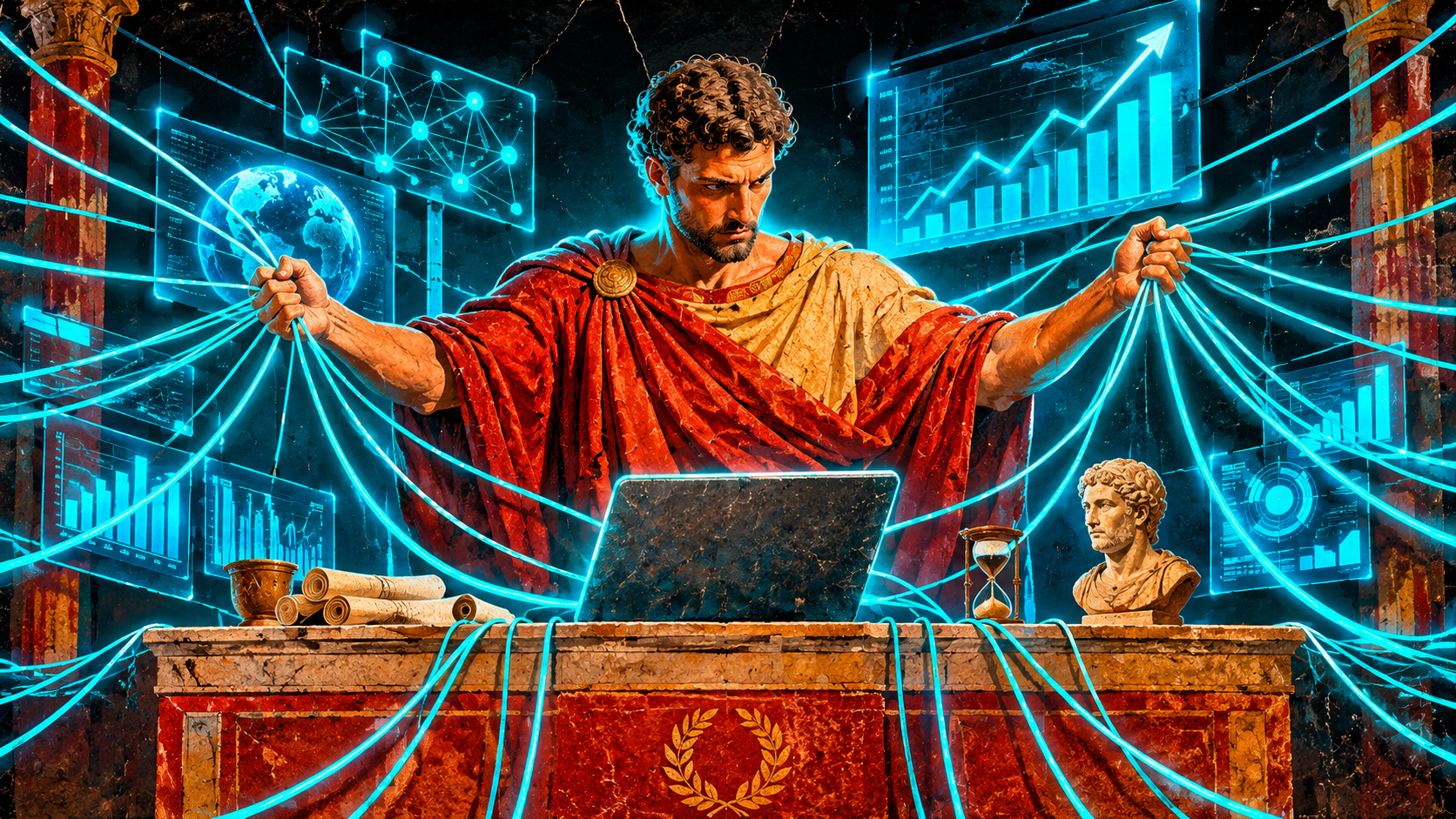
The goal is to be Augustus. Build the processes so the work has a shape that doesn't require you. Build the leaders so decisions get made without you in the room. And now, build the agents, because the same thing that took me five years to delegate to people I can delegate to software in an afternoon, and it doesn't get tired or quit. But that's not abdication. Augustus never left. He stepped back from being the only thing in the room to being the one who watched the room, and he reviewed everything that mattered until the day he died. Build the system so it needs you less. Keep your eyes on it anyway.
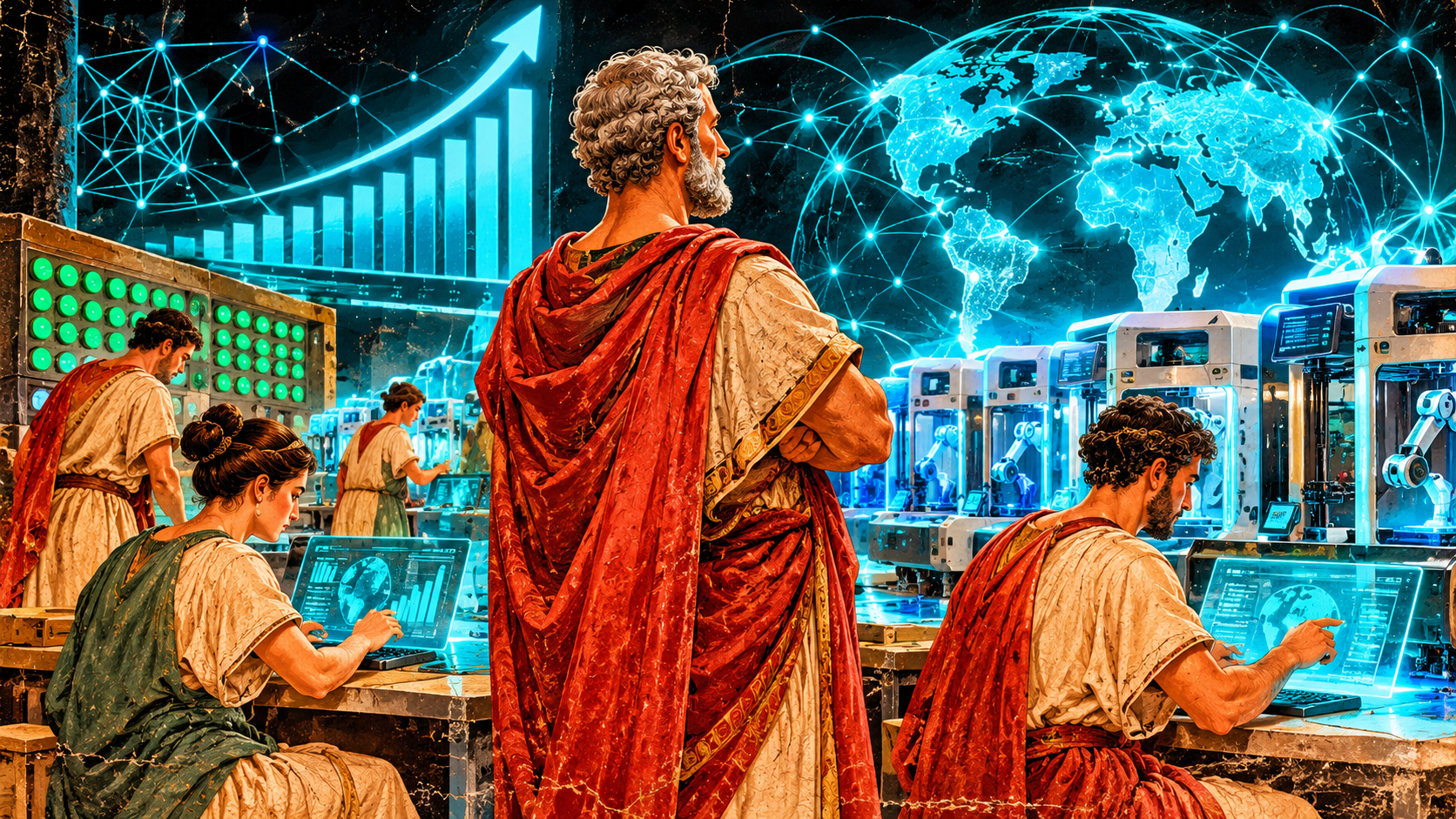
Here's the checklist, Augustus edition:
- Write the standards down. Qin's coins and script outlived him by two thousand years because they were rules, not decisions. Anything you decide more than twice should become a rule somebody else can apply.
- Pay the legions from the treasury, not from your pocket. Build the incentives and the structure so people are loyal to the company, not to you personally. Loyalty to a person dies with the person.
- Keep the forms people recognize. Augustus kept the Senate. Don't rip out the things your team and customers understand just because you could run it faster alone.
- Draw the Rhine. Know where growth stops being worth the fragility it creates. Capped and durable beats enormous and brittle.
- Pick the heir before you need one, and make sure a working system is what they inherit, not a cart of fish.
- Step back, don't step out. Review the things that matter. Delegate everything else to people and agents who don't need you to be awake.

Qin conquered everything in a decade and his empire couldn't survive a summer without him. Augustus moved slower, kept the old forms, capped his own growth, and built something that ran for five hundred years after he stopped breathing. Don't be a flash conqueror. Be an empire builder. Festina lente.
Want to talk about what you're building?
Get in touch