El Rey Papelero: Why Micromanaging Every Detail Will Sink Your Fleet
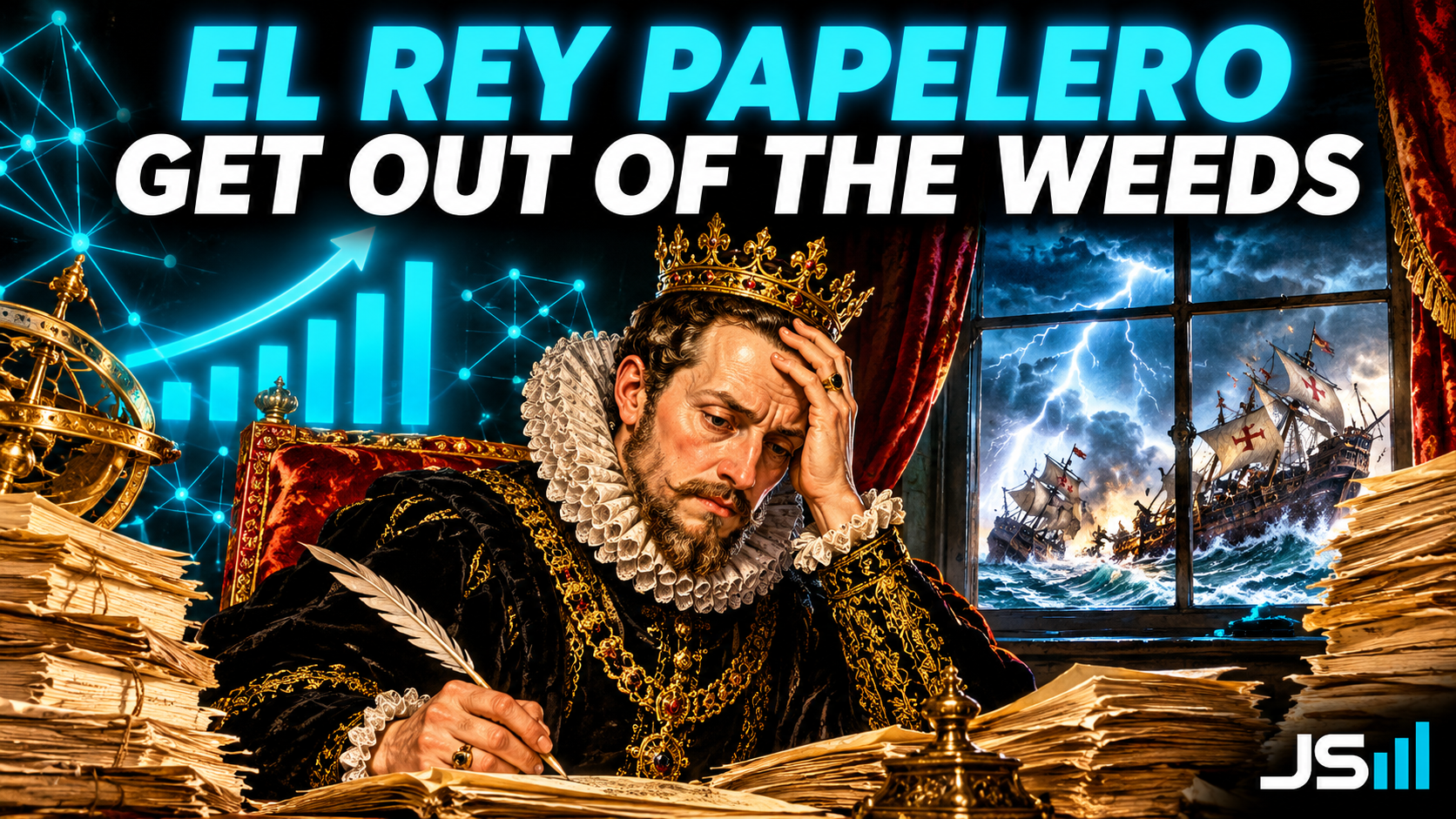
Philip II read every dispatch in the Spanish Empire by hand and still lost the Armada to weather he'd been warned about. Eisenhower couldn't know every detail of D-Day, so he read the terrain, listened to the weather, handed off the orders and took the beach. Founders have to make the same choice.
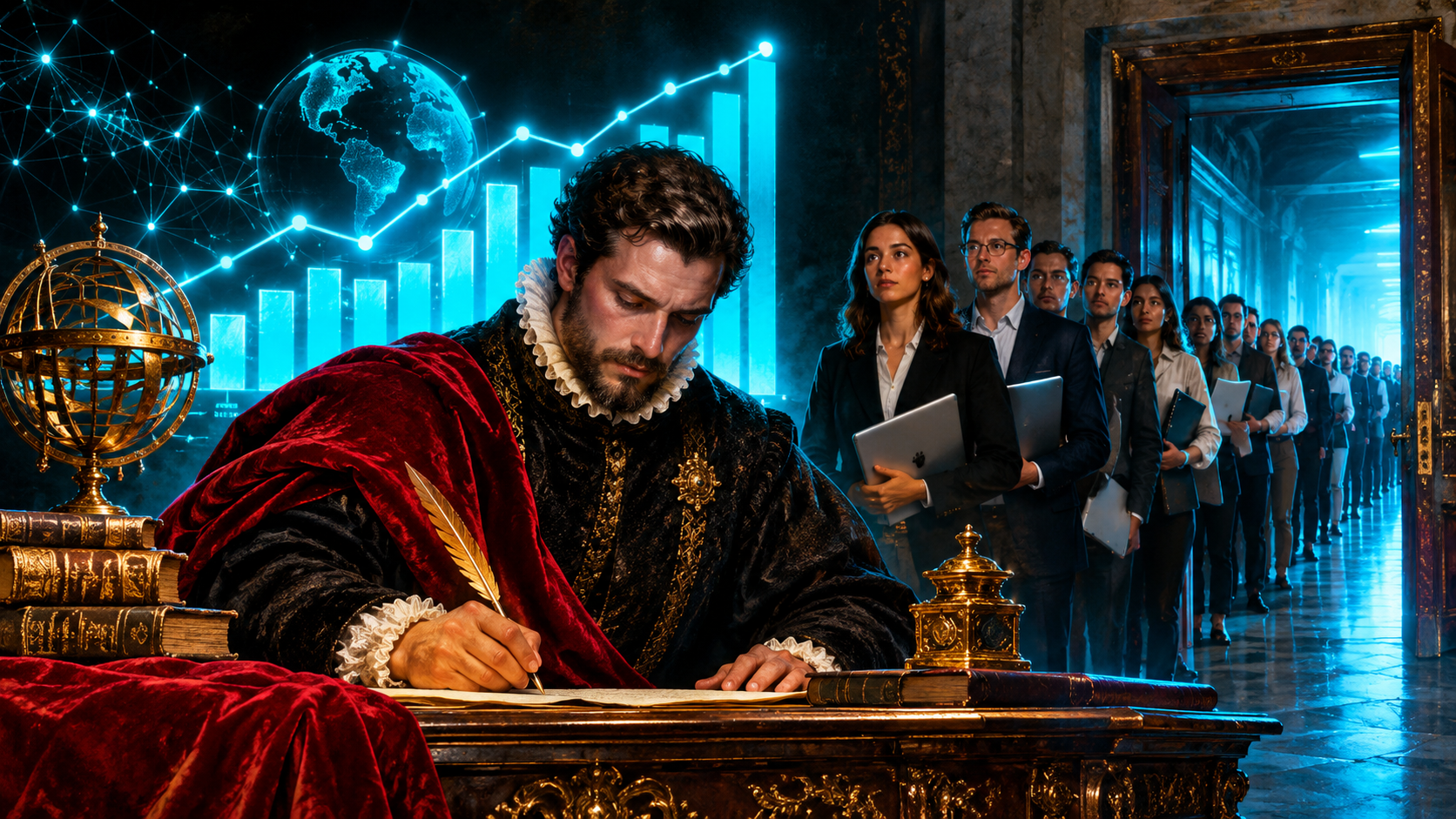
Philip II of Spain ran the largest empire on earth from a desk the size of a kitchen table, and he read everything. Every dispatch, every petition, every report from every governor from Peru to the Philippines, annotated in his own hand, often at two in the morning. His ministers called him the paperwork king. They did not mean it as a compliment, and they were right, because the man who knew every detail of his empire missed the one thing that mattered and lost the biggest fleet of the century to weather he'd been warned about.

There's a founder version of Philip, and I've been him. Here's the cure.

The king who read every memo
Philip built the Escorial, a palace that's mostly monastery, and worked from a small cell in it. He distrusted delegation on principle. Viceroys waited months for decisions on things they could have settled in an afternoon, because the king insisted on seeing it all. He once reportedly spent part of a day deciding the wording of a letter about a minor appointment while the Dutch revolt burned through his treasury. He was diligent, pious, and intelligent, and he had built a system where nothing could move without passing through one tired man in a stone room.
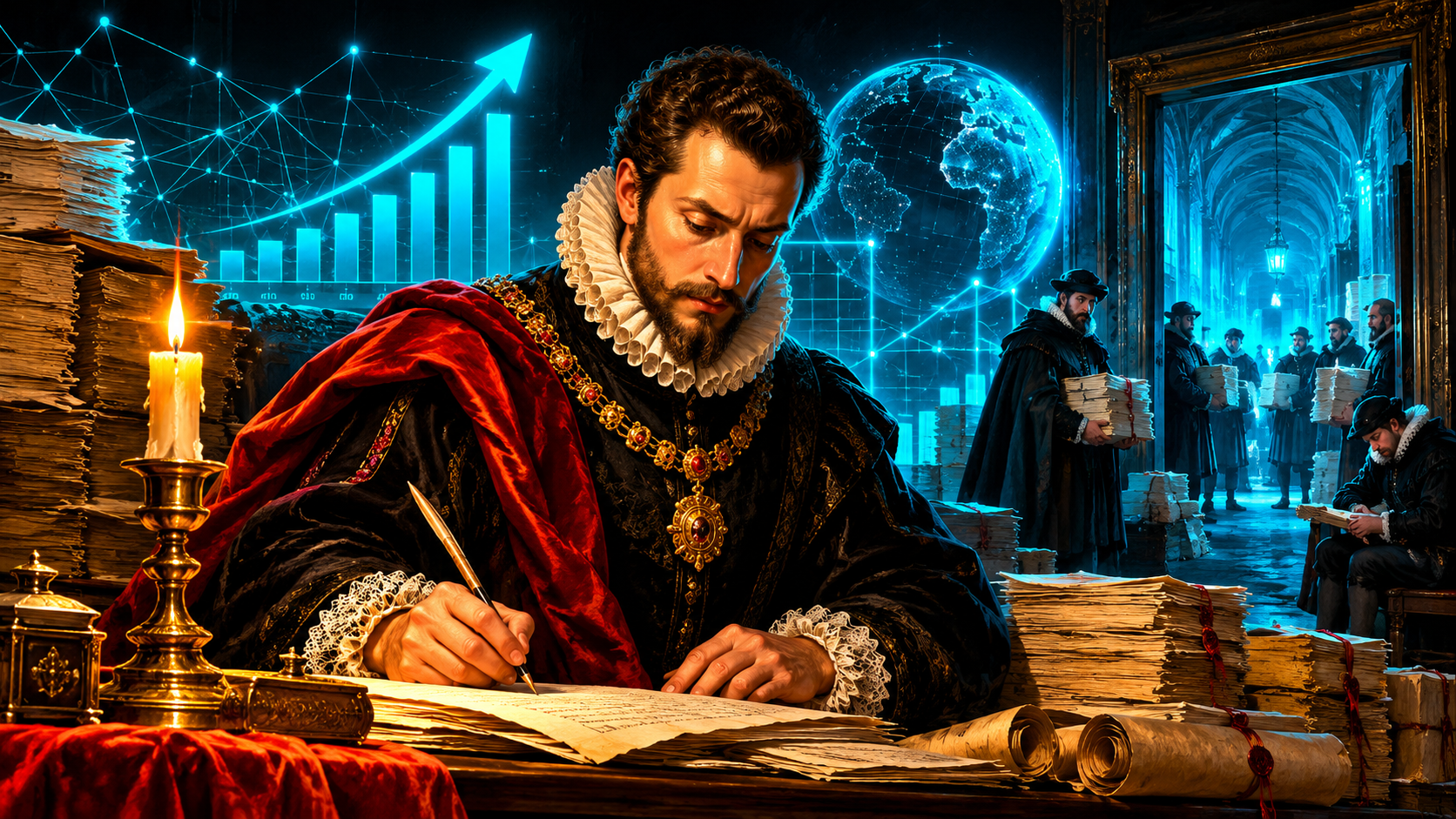
The Spanish nickname was el rey papelero, the paper king. Dispatches arrived by the crate and he wrote in the margins of almost all of them, sometimes fixing a secretary's spelling while the actual decision sat untouched. The delays became a running joke across the empire. One of his own officials in Italy reportedly said that if death came from Spain, they'd all live to a ripe old age. Philip had a saying for it: time and I against any two. He meant patience. What it meant in practice was that everyone else waited.
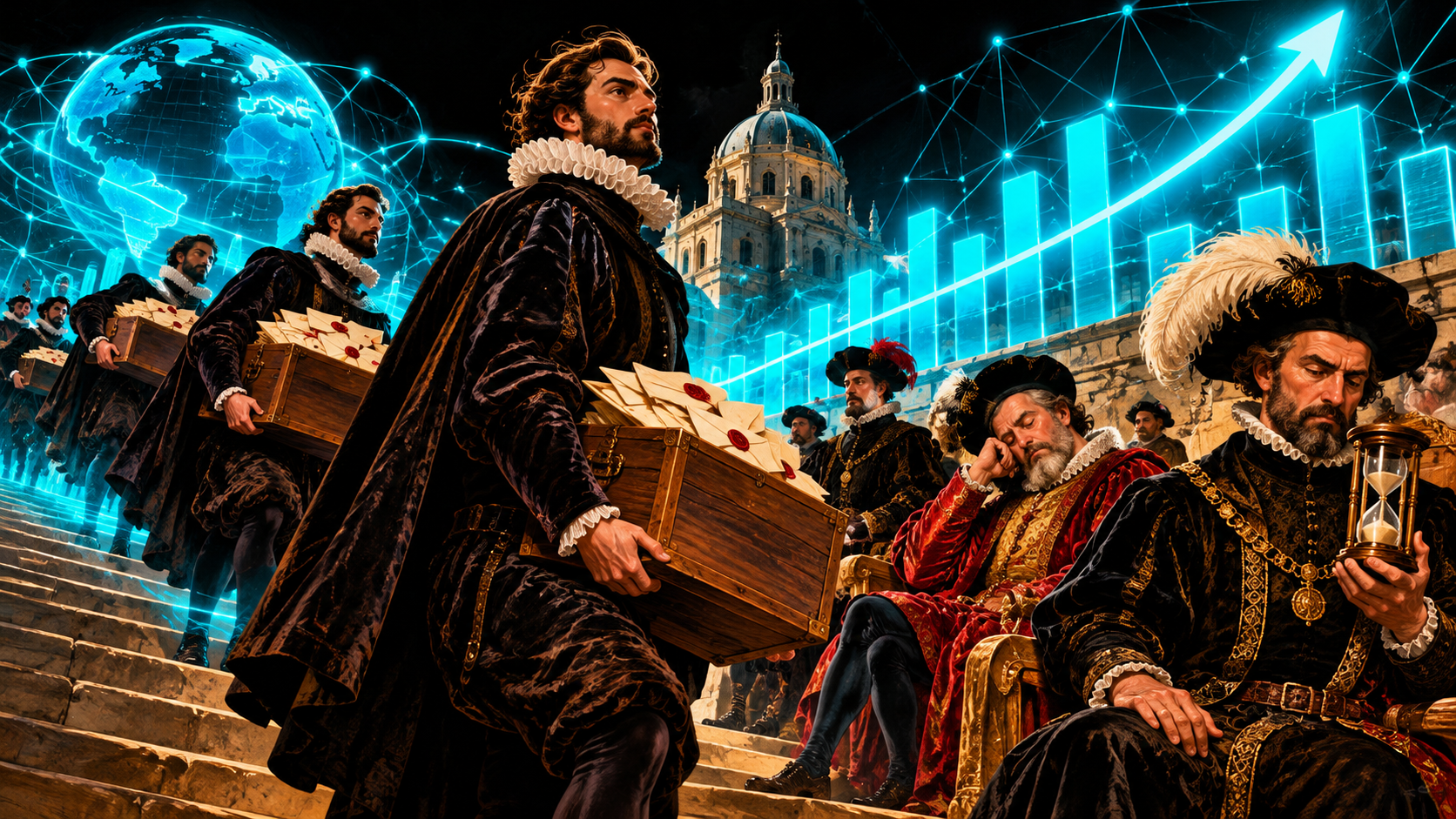
That should worry every founder who thinks knowing every number is the same as controlling the money. Philip had the silver of Mexico and Peru coming into Seville by the shipload, and the Spanish crown still defaulted on its debts four times on his watch: 1557, 1560, 1575 and 1596. He saw every page. He never got far enough back to see the shape of the whole thing, because there was always another page.
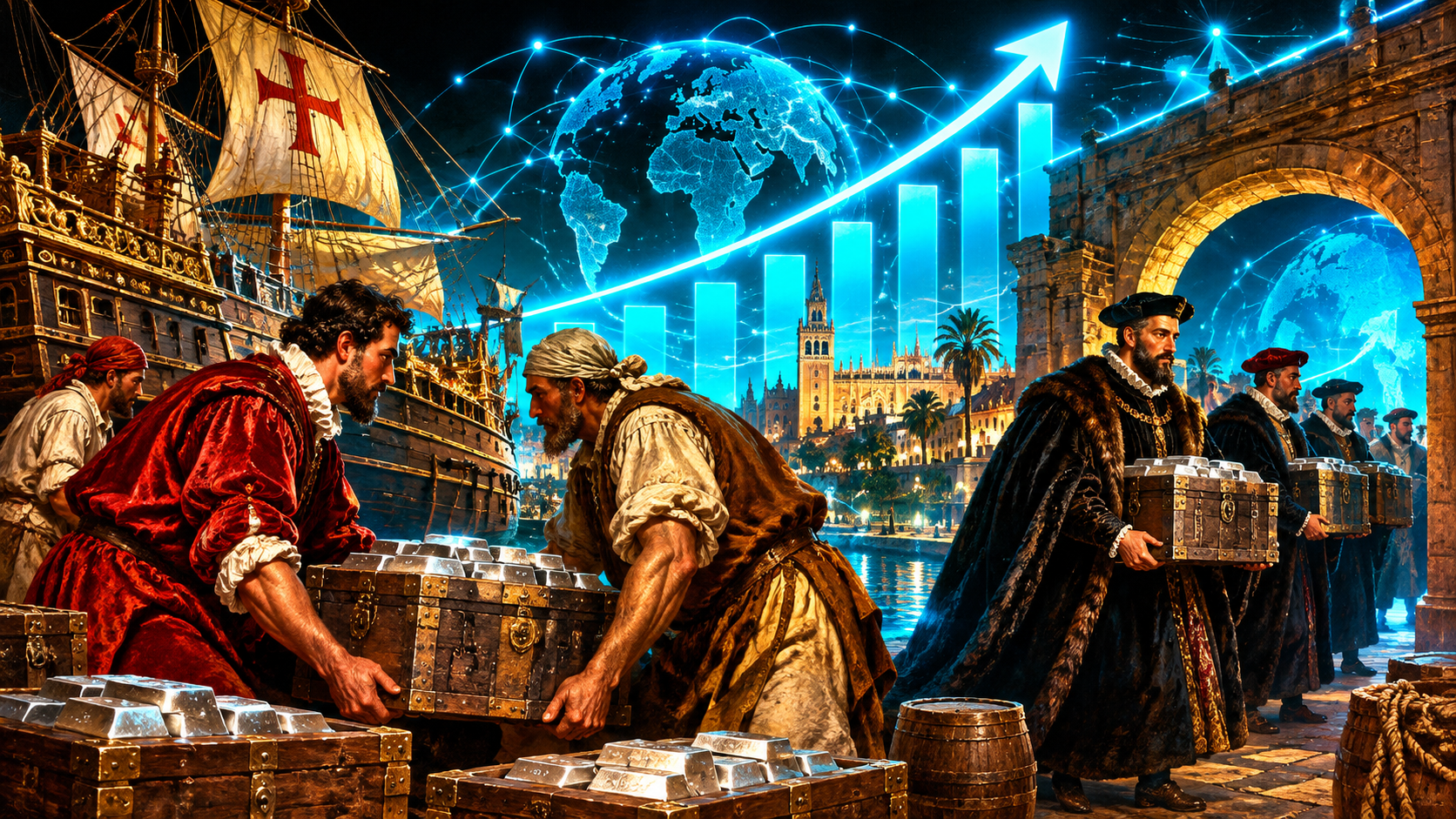
The Armada was years in the making. Its original commander, the Marquis of Santa Cruz, was the best admiral Spain had, a veteran of Lepanto who had beaten a French fleet in the Azores. He and the Duke of Parma, who ran Philip's army in the Netherlands, each sent the king a plan: a full invasion by sea from Spain, or a surprise crossing from Flanders. Philip took both and merged them into one plan of his own that needed everything to work at once. Then he spent 1587 sending Santa Cruz letter after letter demanding he sail sooner. The old admiral died in Lisbon in February 1588, the fleet still not ready.
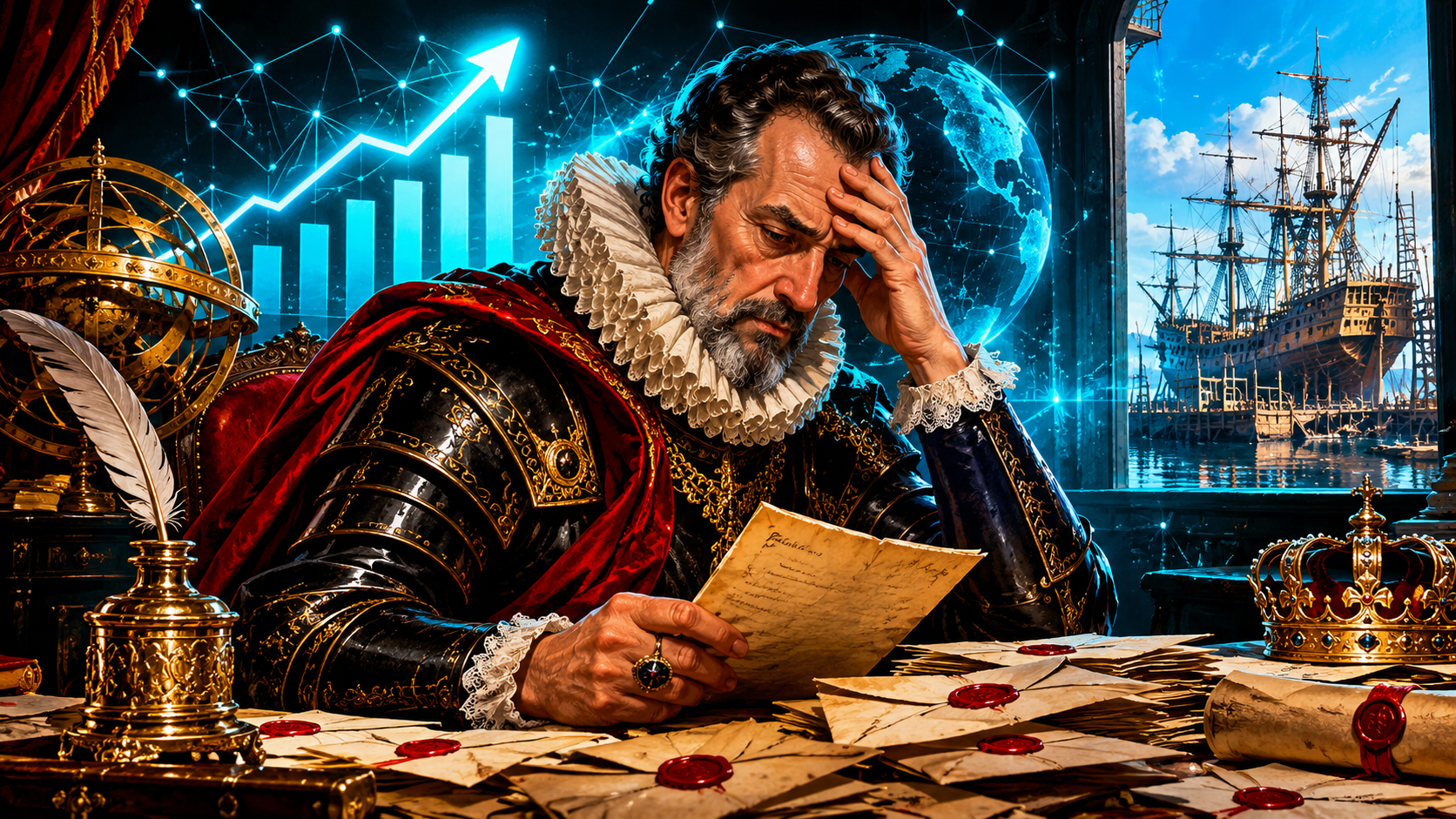
Philip kept running the Armada personally, from Madrid, hundreds of miles from the sea. He appointed a new commander, the Duke of Medina Sidonia, who wrote back begging to be excused because he got seasick and knew nothing about naval war. Philip insisted. He gave rigid orders: sail up the Channel, do not engage the English fleet, rendezvous with the army in Flanders, escort it across. He didn't resolve that there was no deep-water port where the fleet and army could actually meet. He ignored his own admirals' warnings about sailing late into the storm season. He had controlled every detail and the plan still had a hole in the middle the size of the English Channel, because the detail he needed was the kind you only see from a deck, not a desk.
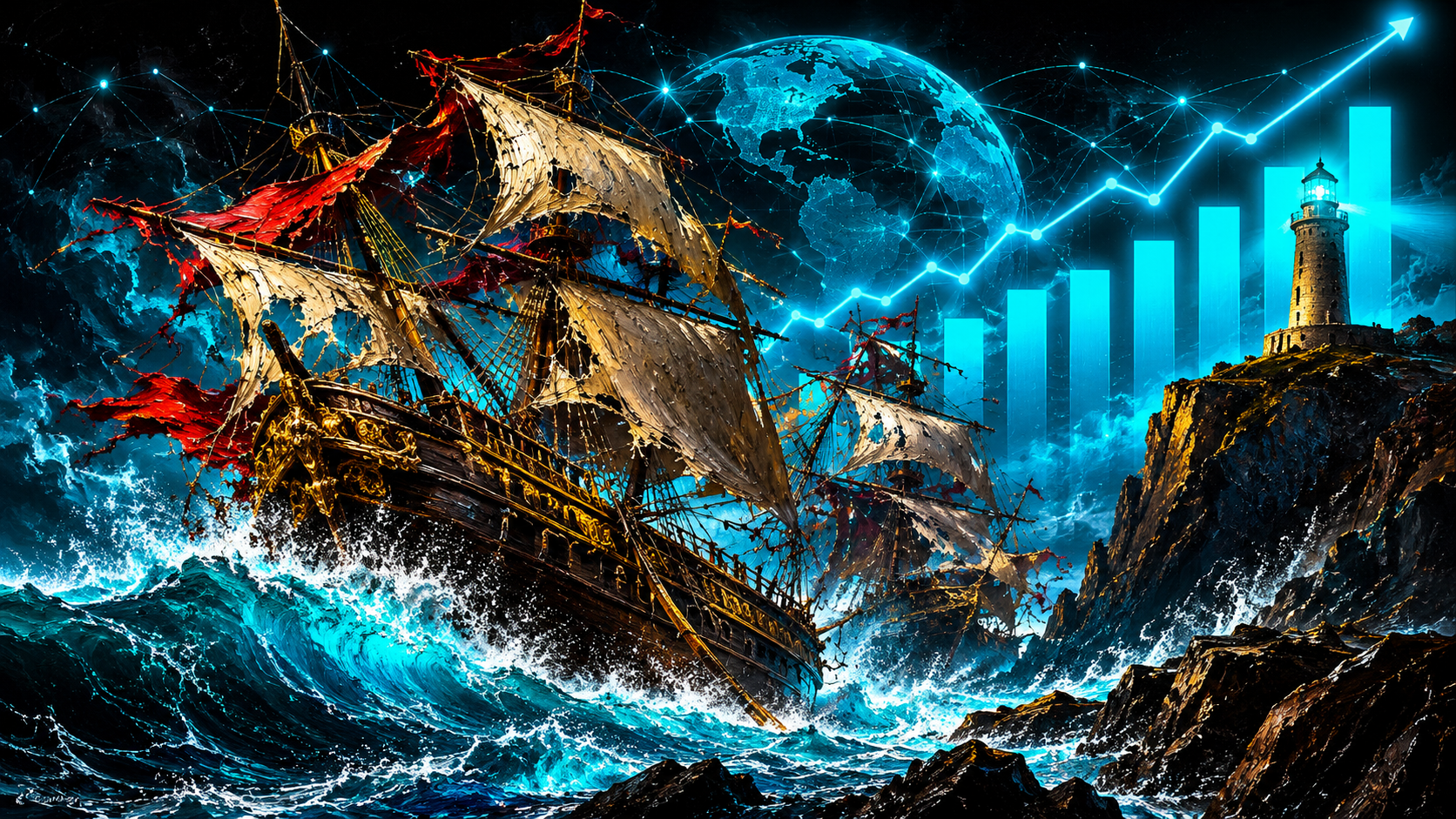
Here's how the hole played out. The Armada fought its way up the Channel and anchored off Calais in early August, exactly as ordered. Parma's army was supposed to be there. It wasn't. His troops weren't even on their boats yet, and the boats were flat-bottomed barges that would have been slaughtered at sea. The Dutch had small fast ships blockading the shallow coast, and the big Spanish galleons drew too much water to come in and clear them. Medina Sidonia sent messages asking where the army was. Parma sent messages explaining why he couldn't come out. Each was waiting on the other, and the only man who could have fixed it was hundreds of miles away, reading.
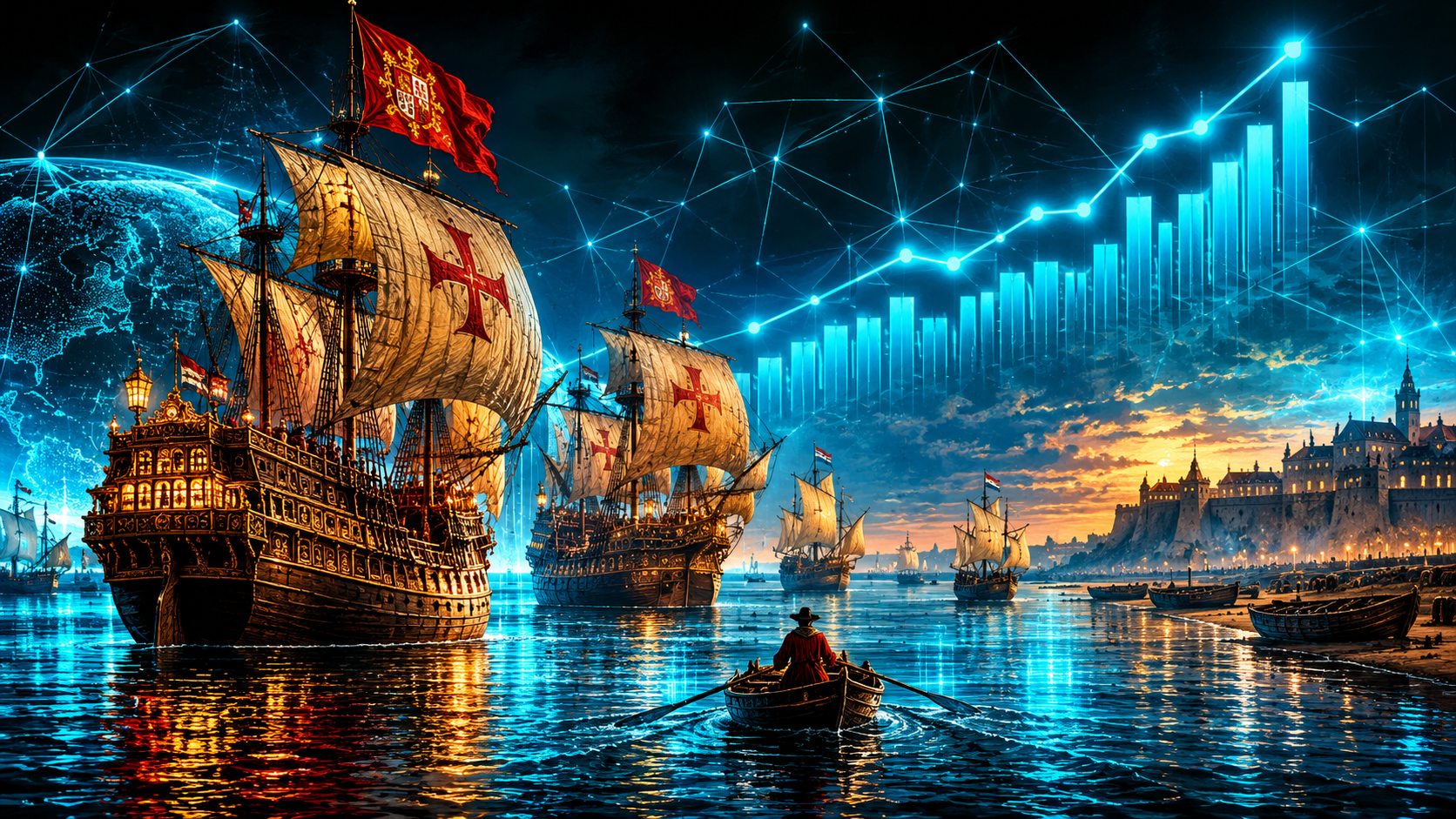
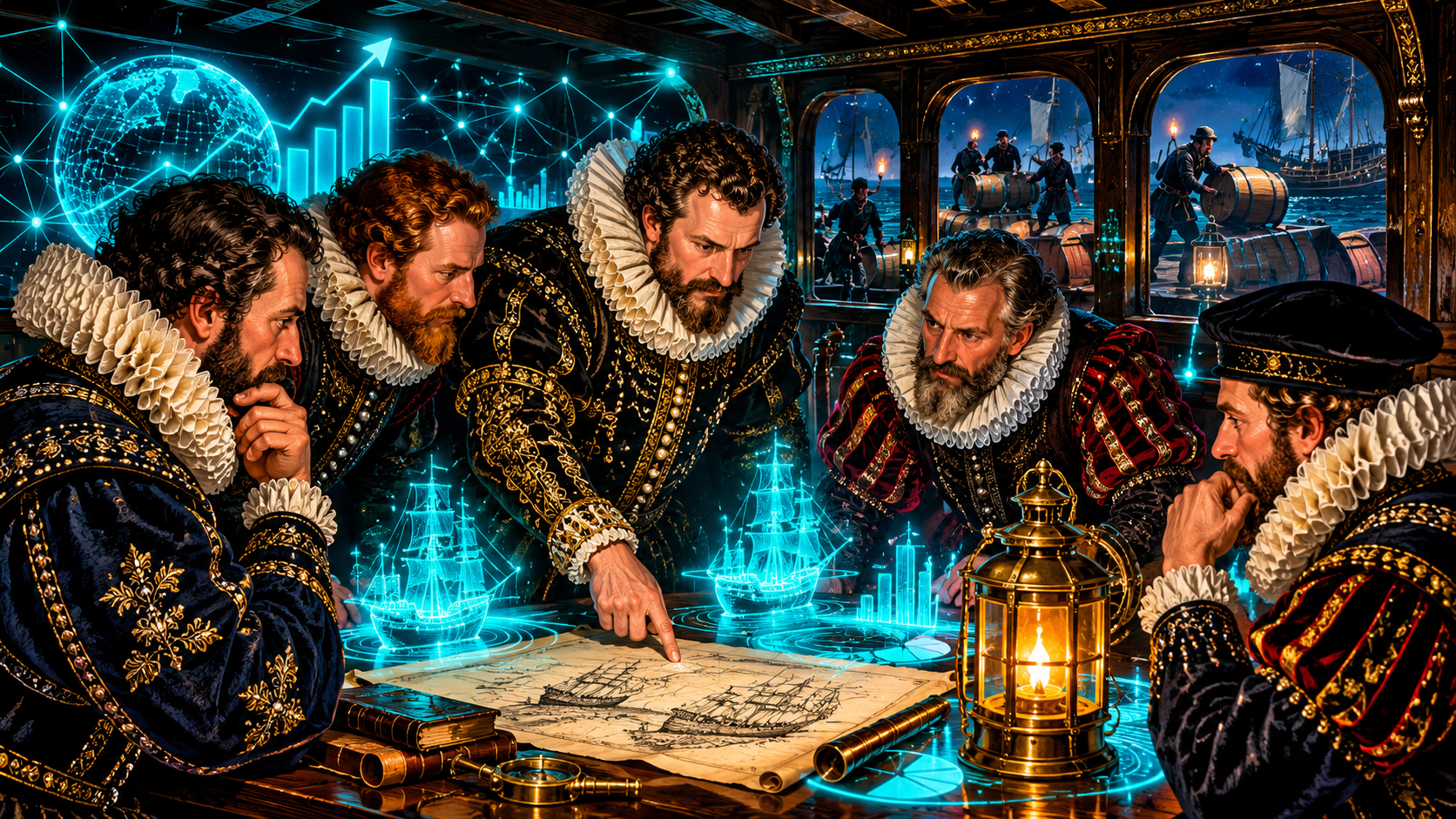
The English ran their side differently. Elizabeth was no hands-off ruler, and she agonized over the cost of every barrel of powder, but she gave command of the fleet to Lord Howard of Effingham, put Drake, Hawkins and Frobisher under him, and let the men at sea make the calls at sea. When the Armada anchored off Calais, Howard gathered his captains for a council of war aboard his flagship. That same day they decided to sacrifice eight of their own ships, fill them with pitch and tar, leave their guns loaded to go off in the heat, and send them burning into the Spanish anchorage on the night tide. Nobody rode to London to ask.
English fireships broke the formation off Calais, the fleet was pushed north, and the autumn gales did the rest around Scotland and Ireland. Something like a third of the ships and most of the men never came home. Philip's response was to go back to his desk and read more reports.
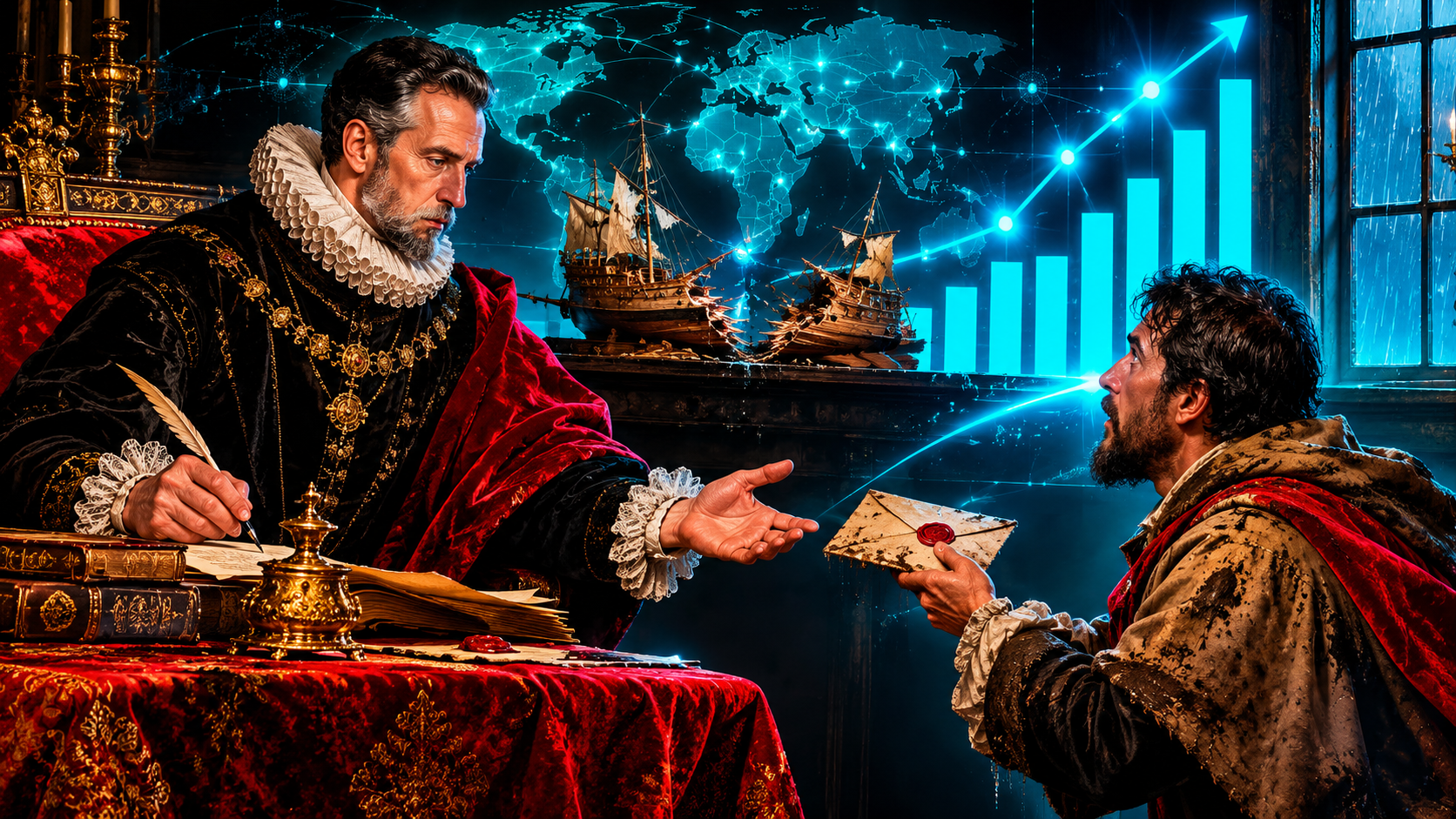
The line usually attributed to him afterward is, "I sent my ships to fight against men, not against the winds and waves." Historians doubt he ever said it. It sticks anyway, because it's exactly what a micromanager says when the plan fails: the plan was fine, reality didn't cooperate. But the storms weren't bad luck. Sailing late in the year, with no friendly deep-water harbor to run to, was a choice. It was made at a desk.
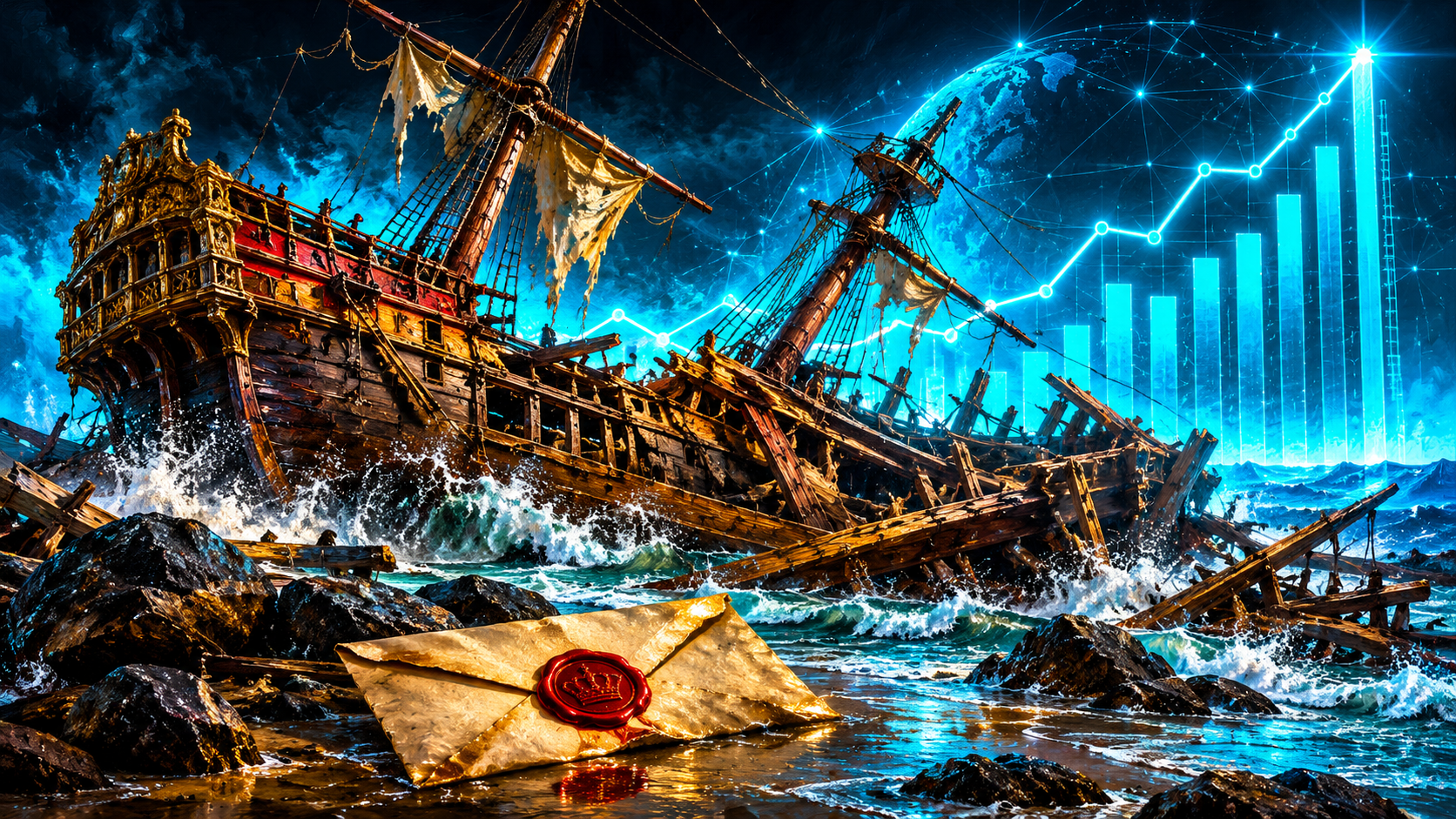
The general who looked at the sky and then let go
Now June 1944. Eisenhower is running the largest amphibious operation in history, a hundred and fifty thousand men on the first day across five beaches, with a navy, an air force and three Allied nations that mostly didn't like each other. He could not possibly know every detail. He didn't try. He knew the terrain, the tides, the moon, the one window in early June where all three lined up, and he knew what he needed from each commander.
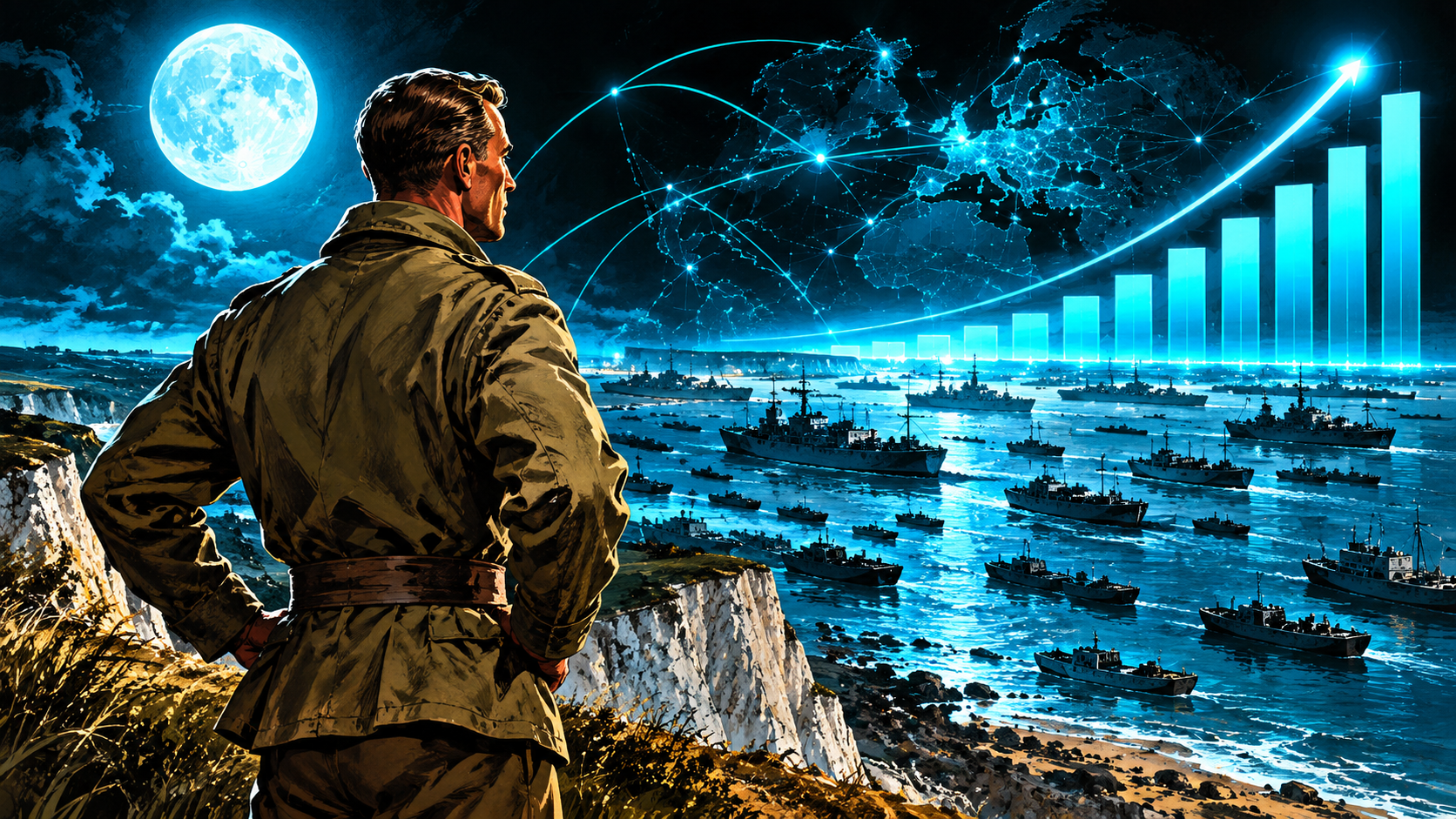
Look at the orders, because the difference is right there on paper. The Armada's sailing orders ran for pages, down to banning swearing and gambling on board. The heart of Eisenhower's orders for the entire invasion of Europe was a single sentence from the Combined Chiefs of Staff: "You will enter the continent of Europe and, in conjunction with the other United Nations, undertake operations aimed at the heart of Germany and the destruction of her armed forces." That's it. What and why. The how was his job, and he gave his commanders the same courtesy.
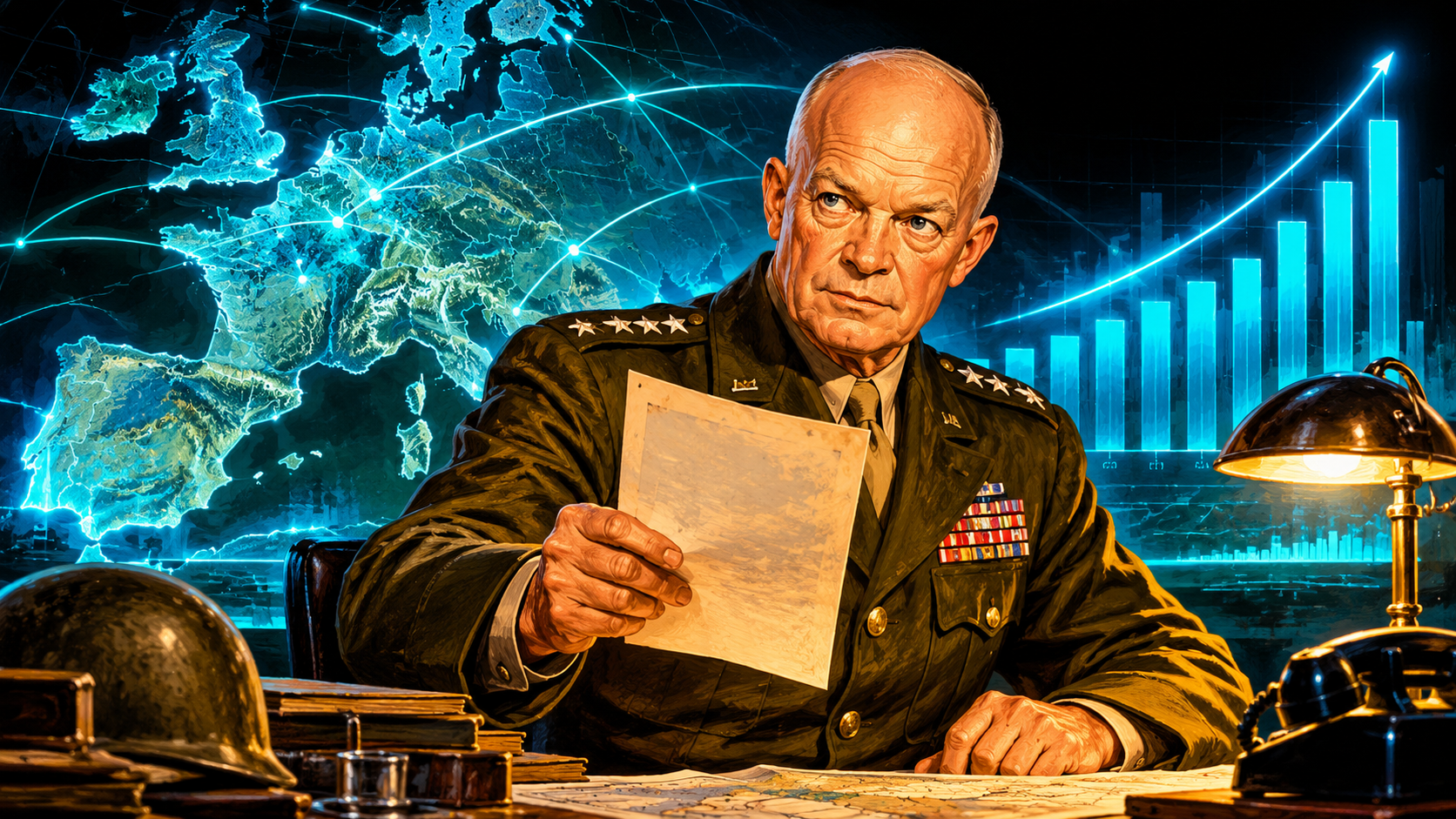
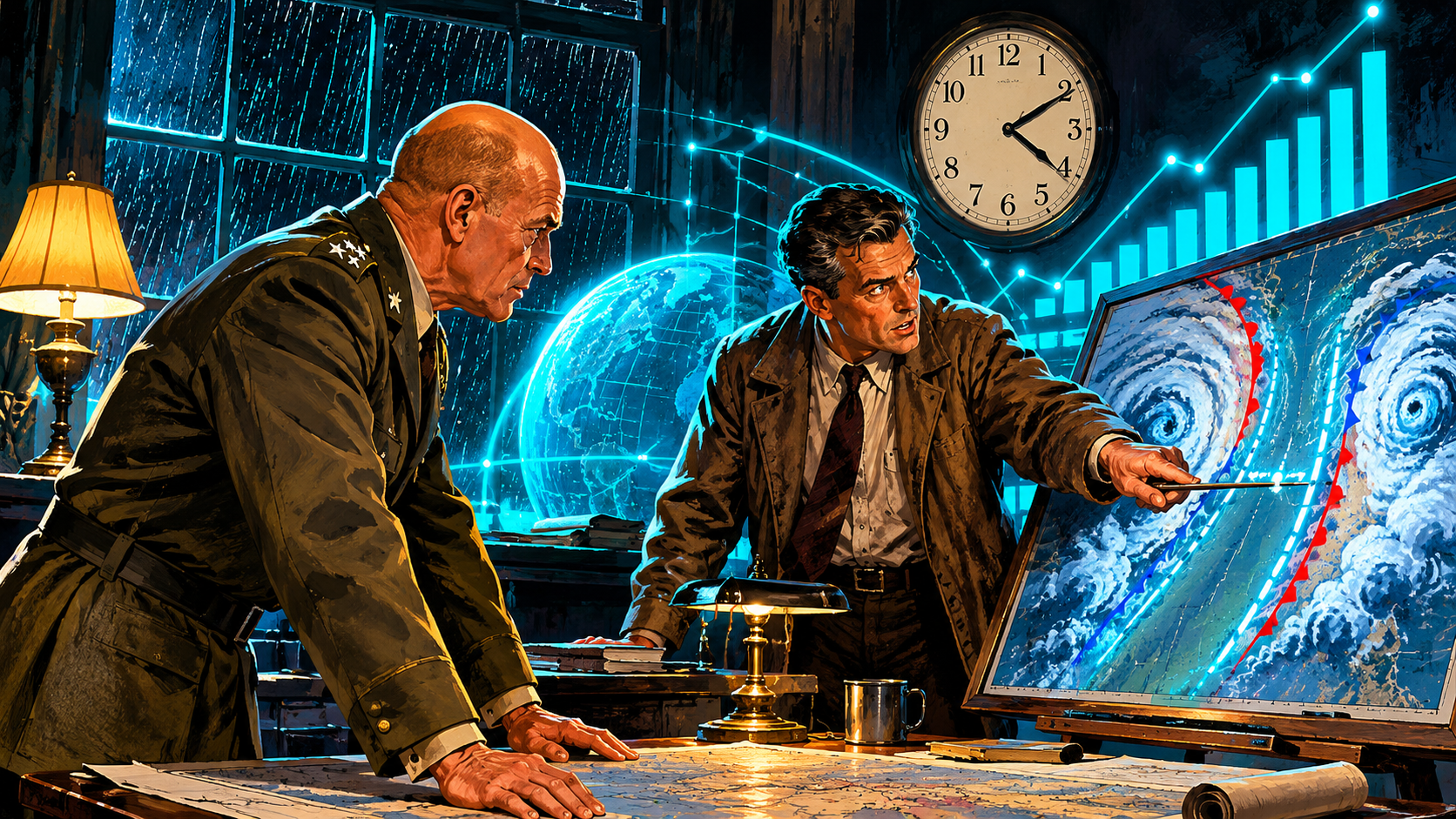
On June 4 the weather went bad and he postponed. At four in the morning on June 5, his meteorologist, a Scottish group captain named Stagg, told him there'd be a narrow break of maybe thirty-six hours between two storm systems. Eisenhower asked a few questions, sat for a minute, and said, okay, let's go. He wrote a note that night taking full personal blame if it failed, folded it into his pocket, and then did the thing Philip never could. He let his commanders run it.
He never had to use the note, and it only survived because his aide asked to keep it. It reads in part, "Our landings in the Cherbourg-Havre area have failed to gain a satisfactory foothold and I have withdrawn the troops." It ends, "If any blame or fault attaches to the attempt it is mine alone." He was so worn down he dated it July 5 instead of June 5. That's what owning the outcome looks like. Not doing every job. Taking the blame for all of them, in advance, so everyone else can do theirs.
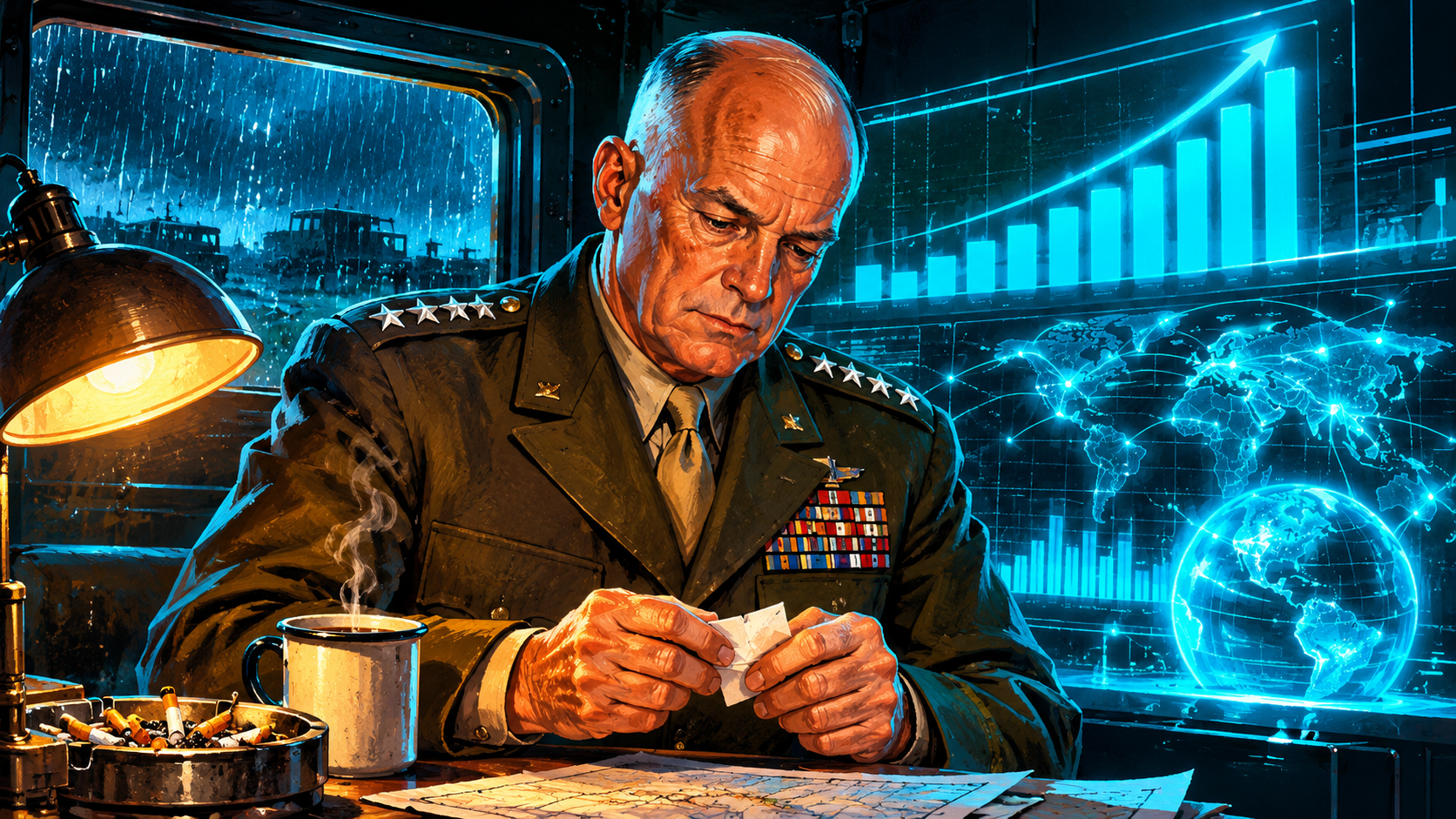
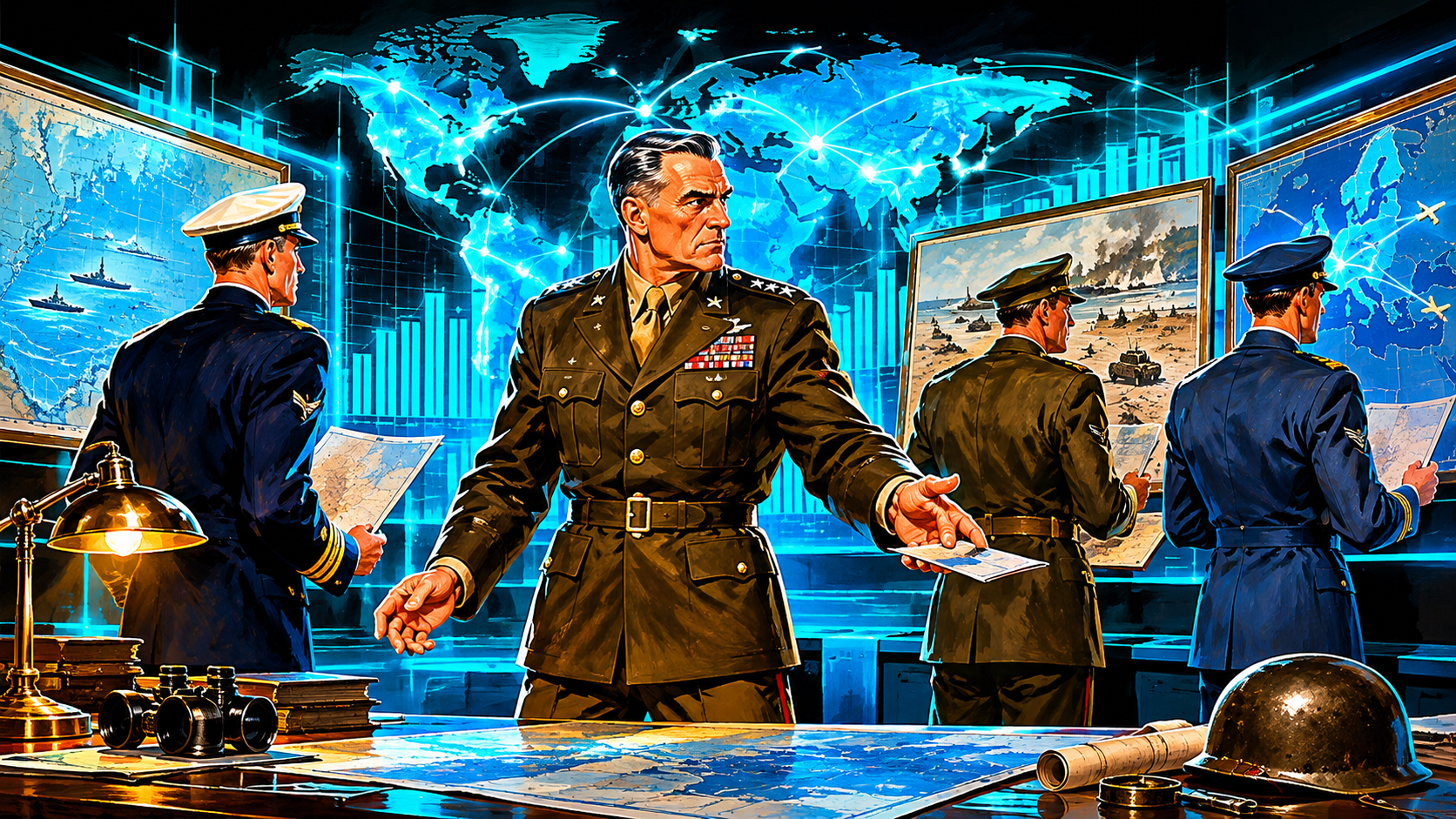
Montgomery had the ground. Ramsay had the sea. Leigh-Mallory had the air. Bradley had the American beaches. Eisenhower set the objective, picked the window, made the one call only he could make, and then trusted competent people to execute inside their lanes. He spent June 6 waiting, which is the hardest thing a leader does, and on June 7 he went across on a ship to see the beaches with his own eyes. High-level view, correct read of the terrain, direction set, then trust. The Germans, meanwhile, had their best panzer divisions held back under a rule that only Hitler personally could release them, and Hitler was asleep. Micromanagement lost the beach from the other side too.
The founder version
Early on, every founder is Philip, and there's no way around it. You know every client, every line of code, every invoice, because you wrote all three. That's fine for a while. It becomes a problem the day you're still doing it and the company has outgrown your desk, because now you're the corridor full of waiting ministers and the Armada is sailing on your schedule, not the weather's.

Here's how to tell you've turned into the paper king:
- People ask your permission for things they could decide themselves.
- Decisions wait until you wake up, land, or get back from lunch.
- You redo work instead of fixing the standard that produced it.
- You're cc'd on everything, and you actually read it all.
- You take a day off and nothing important moves.
- You know every detail and still get blindsided by the big thing.
I got this lesson the way most people do, by leaving. I took a trip recently, properly away, and the first two days were the usual itch of checking everything. Then something clarifying happened. I could see the whole business from a distance, the way you can't when you're inside it, and what I saw was exactly how much of it was still routed through me and my partner. Not because it had to be. Because we'd never stepped back far enough to notice. The trip didn't give me more information. It gave me altitude, and altitude is what Philip never had and Eisenhower insisted on.

Here's what changed when I came back. Everything that had been a decision became a rule. Everything that had been a rule became a process. And everything that could be a process got handed to a person or an agent, with a report back, so I could watch the whole thing without touching any one piece of it. AI made this absurdly easier than it was five years ago. The tedious execution that used to require me is now handled by software that doesn't need me awake. What it can't do is pick the window, read the weather, and decide to go. That's still the job, and it's a better job than reading every memo.

Perspective, trust, systems
That's the leverage stack, in order.
- Perspective. Get above it on purpose and regularly. A trip, a day off site, a weekly hour where you're not allowed to open the inbox. Philip had the best intelligence network in Europe and no altitude. Altitude is the input that makes all the other inputs useful.
- Trust. Hire or build competent operators, human and machine, and let them own the lane. Eisenhower didn't tell Ramsay how to run the navy. If you've picked the right people and built the right agents, you tell them what, not how, and you read the reports.
- Systems. Turn decisions into rules, rules into processes, processes into things that run without a founder's hand on them. Then watch the dashboard, not the keyboard. The business should be able to sail while you look at the sky.
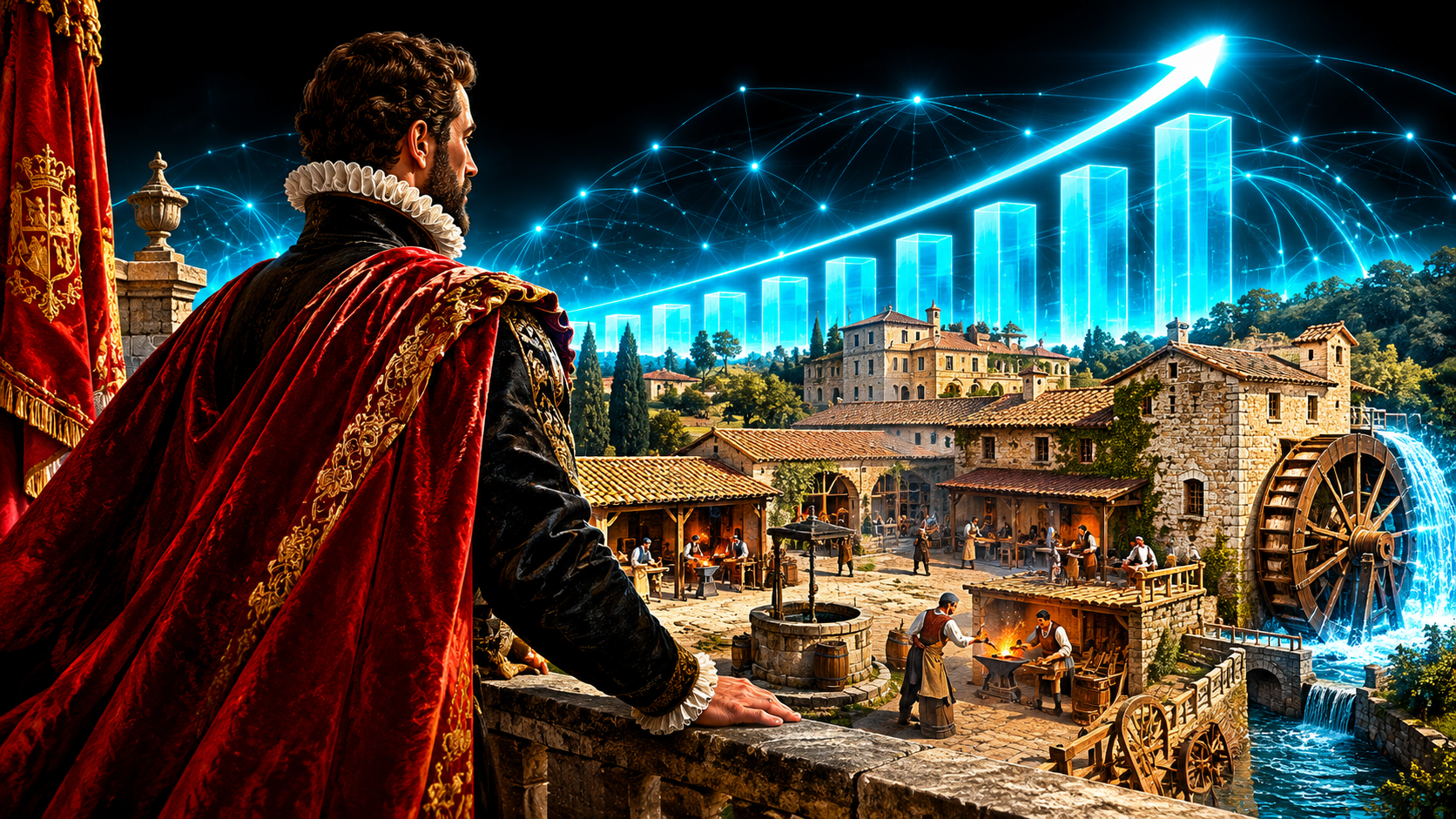
The practical tool for all three is something the military calls commander's intent. Philip sent instructions. Eisenhower sent intent: the outcome, the reason and the limits, then got out of the way. You can do this for every lane in a business in three sentences. Here's the result I want. Here's what you're never allowed to do without asking. Here's what I want to see from you every Friday. Keep lead cost under the target, never raise the budget past this number without me, send me one page on Friday. Write that once, and you've replaced a hundred little decisions with one.
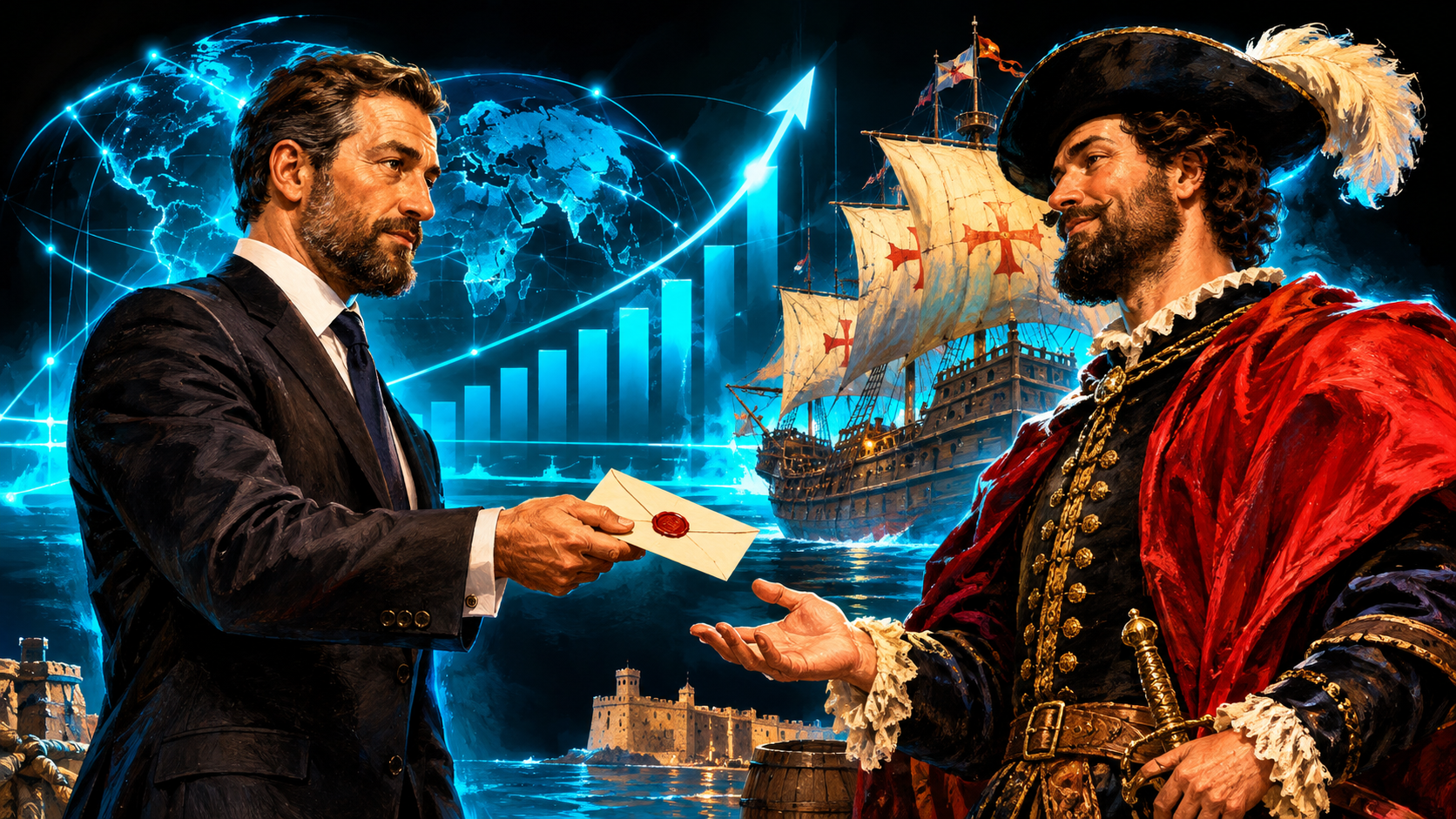
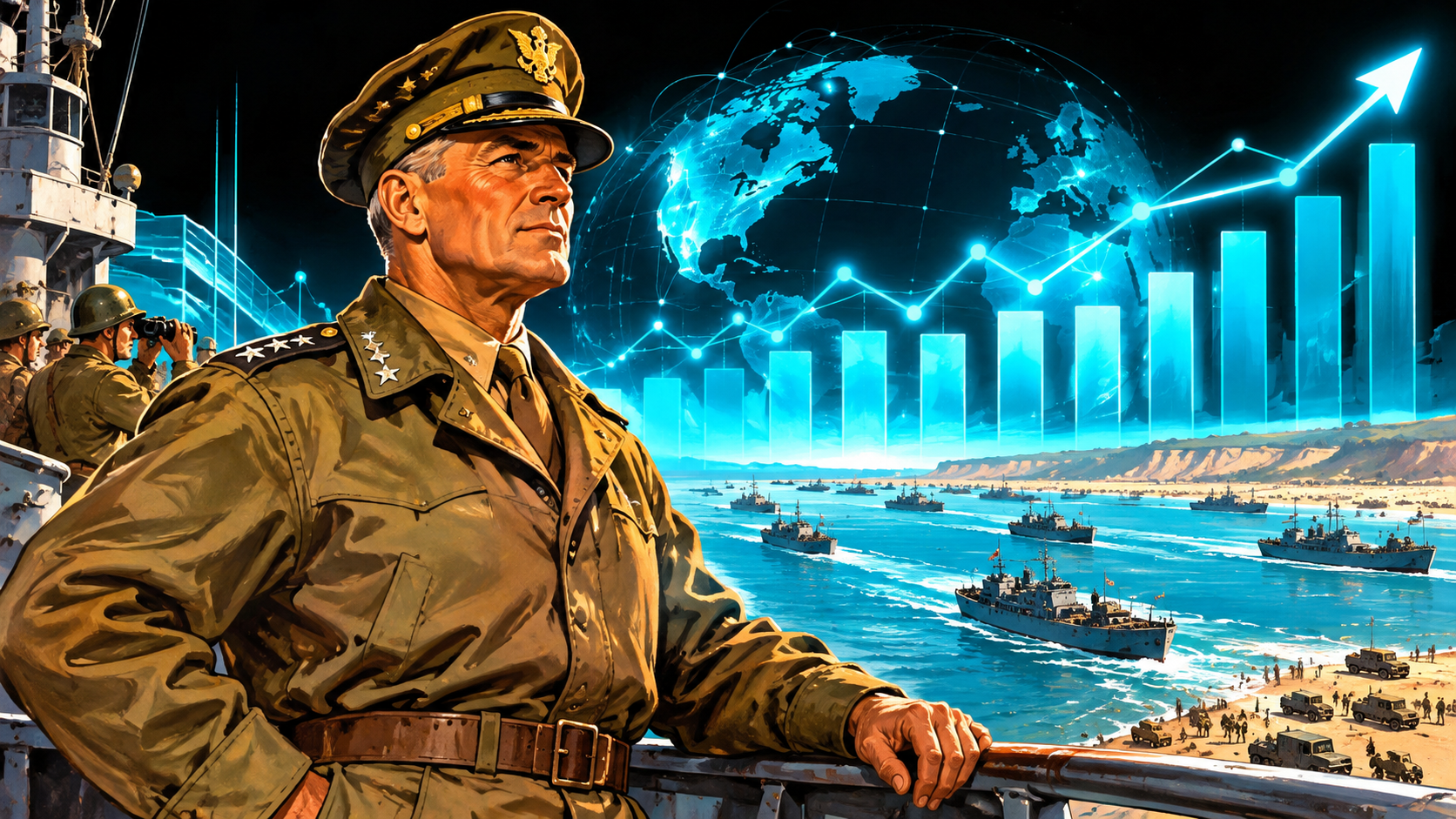
Philip knew everything and controlled everything and lost the fleet. Eisenhower knew the terrain, trusted the weather guy, handed off the orders and took the beach. Know what's going on. Then step back far enough to actually see it, trust the people and systems you built, and spend your energy on the handful of calls only you can make. That's the whole point of leverage.
Want to talk about what you're building?
Get in touch