
The Three T's: Who Actually Wins the AI Era
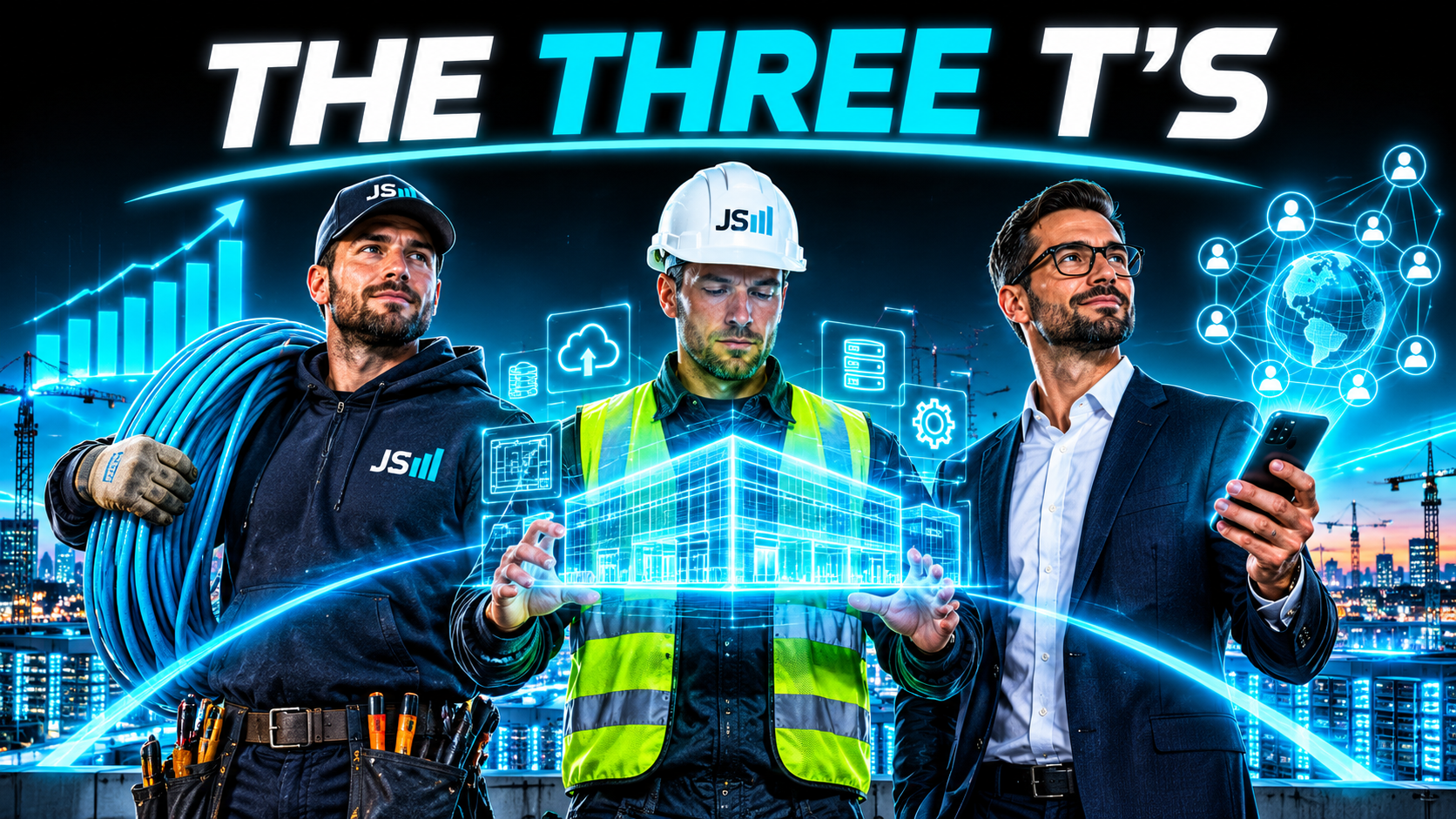
Everybody's writing the list of jobs AI will kill. Here's the other list: three kinds of people about to have the best decade of their lives. Tradesmen, technocrats, and the trusted. And why stacking two of them is the real play.
Every week somebody publishes a list of jobs AI is going to kill. I'm not writing that post. It's lazy, it's mostly wrong about timing, and it doesn't help anyone decide what to do on Monday. Here's the opposite post: three kinds of people who are going to do extremely well over the next decade, why, and how to become one of them.
I call them the Three T's. Tradesmen, Technocrats, and the Trusted. If you're one, lean in. If you're two, you're going to be fine. If you're none, this is your map.
T one: Tradesmen
Plumbers, electricians, HVAC techs, cabinet makers, pest control, roofers, welders. The people who show up in a truck and fix the physical world. I've built software for a lot of them, and I'll tell you what I've seen from the inside: they are about to have the best decade of any profession in the country.
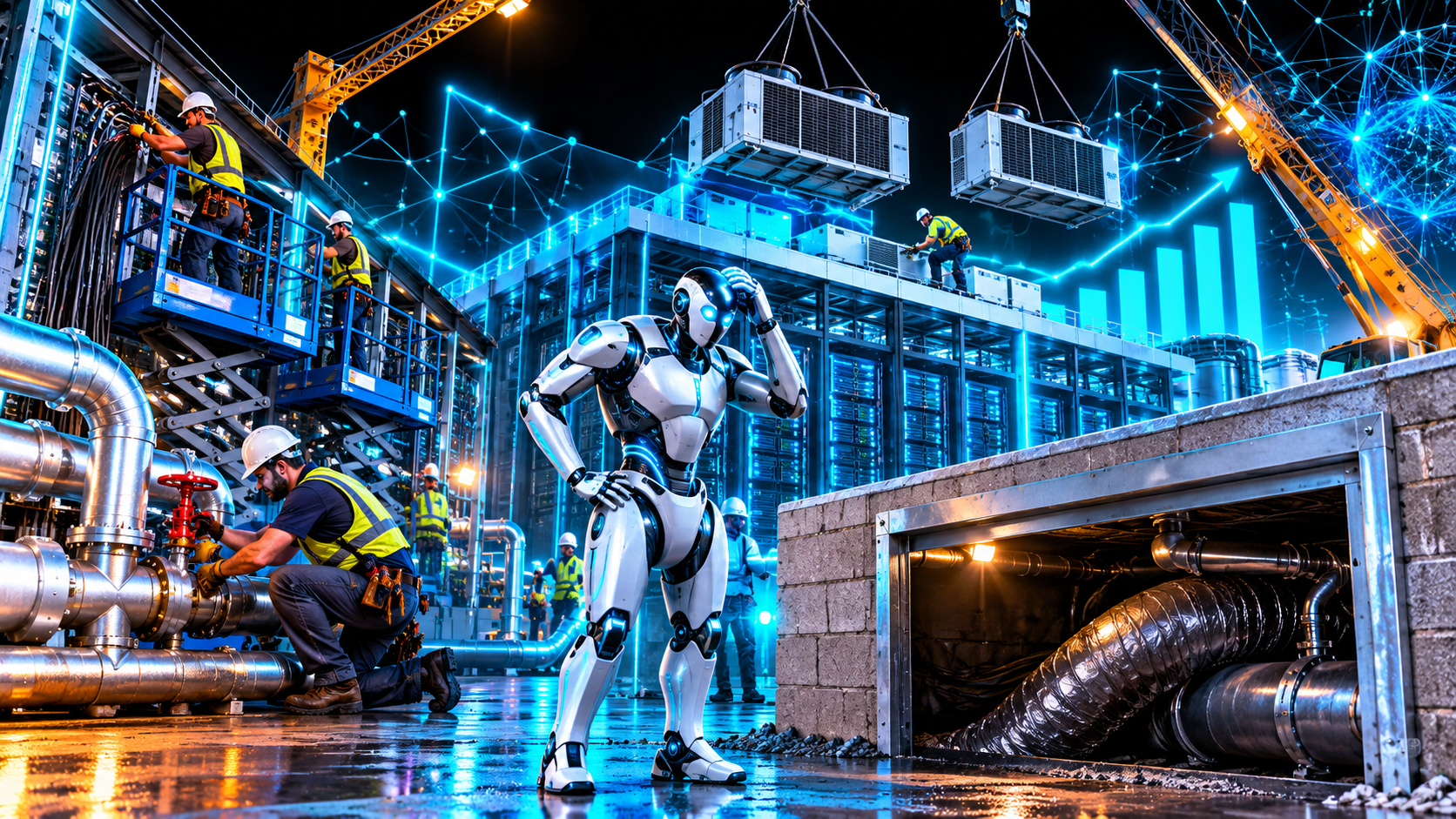
Start with the obvious. The AI boom is a construction boom. Every model you've heard of runs in a building, and those buildings are going up faster than any category of construction in a generation. A data center is a giant electrical job, a giant cooling job, a giant plumbing job, and then a steady stream of maintenance forever. The companies building them are not short on money. They're short on electricians.
Then the part people miss. Physical work is the hardest thing on earth to automate. I can get a model to write a contract in ten seconds. I cannot get a robot to crawl into a Florida attic in August, find the bad connection, and fix it without burning the house down. The hardware is expensive, the environments are chaotic, and every job is different. The stuff that happens behind a keyboard gets cheap first. The stuff that happens on a ladder gets cheap last, if ever.
And the trades skip the trap. A four year degree in a field AI is eating, paid for with six figures of debt, is the worst trade in America right now. An apprenticeship pays you while you learn, costs nothing, and lands you in a job where the demand curve points straight up. If I had a kid graduating high school who wasn't sure, I'd point at the truck.
T two: Technocrats
This one's my tribe, so I'll be honest about what it is. Technocrats are the people wired a little differently. Often neurodivergent, usually the kid who took apart the remote, the person who sees a messy process and can't stop seeing the system underneath it. They don't just use tools. They understand how the tools work, and so they can take them apart and wire them into something new.

Here's the framing I use with clients and I'll use it with you. AI is the smartest autocomplete ever built. That's not an insult, it's a spec. On its own it's a component. Impressive, but a component, the same way a V8 engine on a stand is impressive and also goes nowhere. The value shows up in composition: the model wired to a database, wired to a phone line, wired to a calendar, wired to the thing a business actually does every day. A model that can answer a question is a demo. A model that answers the phone, books the appointment, logs it in the CRM and texts the customer a confirmation is a business.
That composition is what technocrats do. They build the assistants. They automate the workflow that used to take a person four hours. They look at a company and see forty small systems that could be one, and then they make it one. The models get better every quarter, and every improvement makes the person who knows how to wire them more valuable, not less. The tool isn't the moat. Knowing what to connect to what, and why, is the moat.
If you're this person and you've spent your life being told you're difficult, this is your decade. The skill that made you weird in a meeting is the skill the entire economy now needs.
T three: the Trusted
Call them tastemakers if you want. I call them the Trusted, because trust is what the other stuff earns you. These are people with access, relationships, and a perspective nobody else has. The person who knows every contractor in three counties. The one with the network you can't buy your way into. The one who's spent twenty years in an industry and can tell you in one sentence what's actually wrong.

Here's why they win. When AI makes it free to produce average work, average work is worth nothing. The world fills up with competent, identical output, and the thing that cuts through it is a name people believe. Trust is the one asset that gets more valuable as everything around it gets cheaper to fake.
And trust comes from two places. Relationships, which take years and can't be generated. And a perspective nobody else has, which comes from combining things nobody else combined. I write about Byzantine empresses and Roman generals on a software blog, and those posts outperform the technical ones, because nobody else is standing at the intersection of history and systems design, and the combination is interesting. Your version is different. Maybe it's medicine and manufacturing. Maybe it's farming and finance. The weird combination is the asset. It's the thing a prompt can't produce, because the prompt doesn't know what you know.
Opportunities move toward the Trusted on their own. They don't chase deals. Deals find them, because when someone needs a thing done, the first question is "who do we know," and the answer is a person, not a tool.
The real play: stack two
Any one T is a good living. Two is a different category.
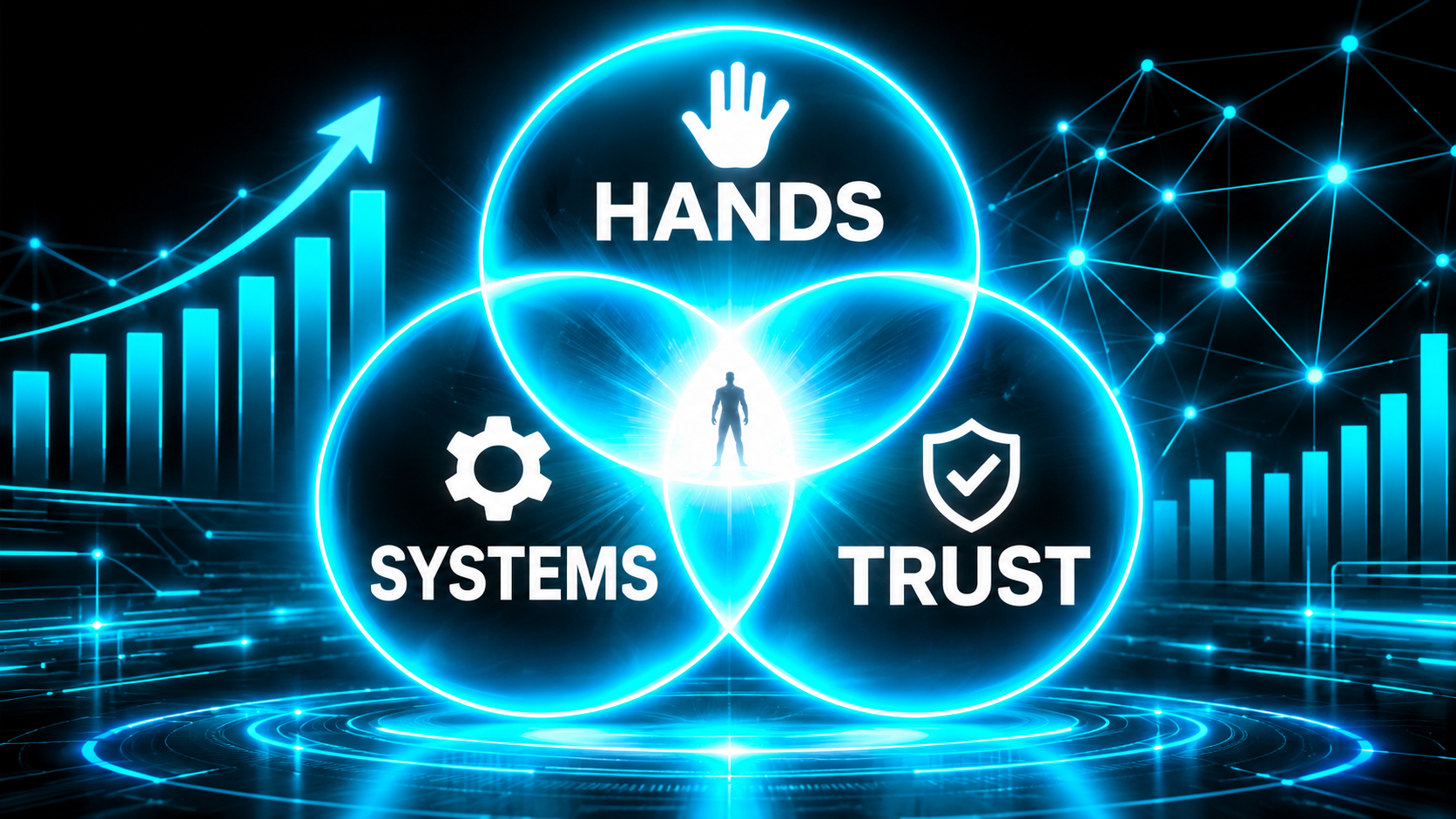
The plumber who learns to wire an AI receptionist and a scheduling system into his business stops being a plumber and becomes the plumbing company everyone else in town calls. The technocrat who builds a real network stops competing for work and starts choosing it. The Trusted person who learns enough systems to deliver instead of just introduce becomes the most valuable person in any room. The overlaps are where the leverage lives.
So here's the whole post in three lines. Hands that can do the physical work. Systems mastery to compose the tools. Trust and perspective so the opportunities come to you. Pick the one you already are. Then go get a second one.
Want to talk about what you're building?
Get in touch