Be Harder to Autocomplete

AI is very good autocomplete, which means anything predictable now costs nothing. The only move left is to be harder to predict: mash your weird interests together, collect lived experience, let the machine accelerate the output, and keep your hand on the one dial it can't turn.
I run a software company and I've spent the last month writing about Byzantine empresses, Mongol supply lines and a Dutch tulip crash. People ask why. The honest answer is that it's fun. The more useful answer is that those posts get more engagement than anything technical I write, and I think the reason why is the most important career advice I can give anyone right now.
AI is very good autocomplete. That's not an insult, it's a description, and it's the thing you need to build your life around. If what you produce is predictable from what came before, a machine will produce it for free. So the only move left is to be harder to autocomplete.
Average now costs nothing
Here's what happened to the market for output. For most of history, producing a competent blog post, a decent memo, a working chunk of code, or a reasonable marketing plan took real time from a trained person. Competent was scarce, so competent had value. Now competent is a prompt. The average post about leadership, the average landing page, the average function, all of it comes out of the machine in seconds and it's fine. Fine is the problem. Fine is worth zero because everyone has infinite fine.
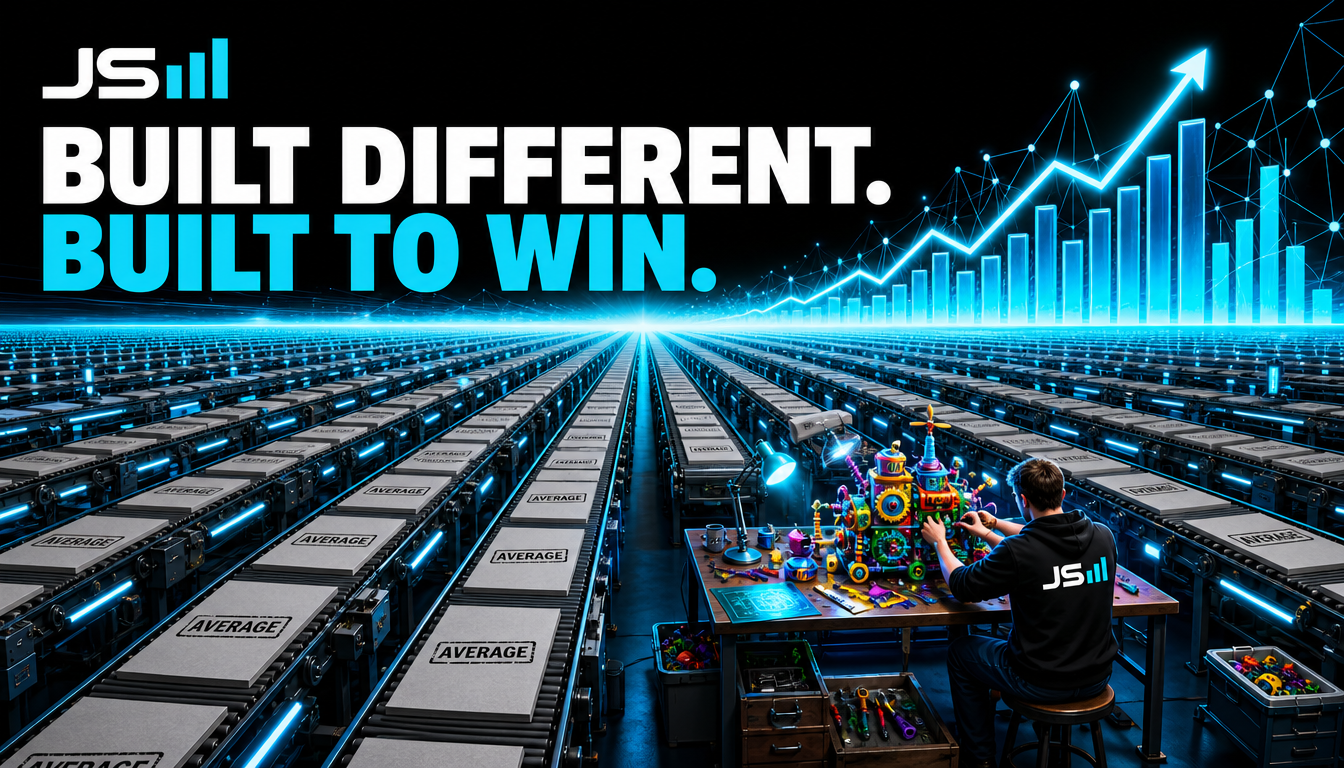
Ask an AI to write about leadership and you get the sum of everything ever written about leadership, averaged. Ask it to write about how Theodora starved her husband's best general of troops because she was guarding the throne instead of the empire, and how that's exactly what happened to a deal I lost at lunch last year, and it can't. Not because it lacks the facts. Because the connection between those two things only exists in one head, and it's mine. That's the whole game now. The model has the ingredients. You have the recipe nobody else would think to make.
Where original thought actually comes from
It doesn't come from better prompts. It comes from collision. Two things you happen to know that nobody else has put next to each other, plus something that actually happened to you. My mix is history, business, systems design, science, politics, philosophy and hardware, and none of those is rare on its own. There are a million history buffs and a million people who can design a database. The intersection of all seven, run through four companies, is one guy, and that's the only reason anyone reads this blog instead of the eight thousand other ones.

This is why the polymath is back. For about a century the economy rewarded the specialist, because depth in one lane was hard to copy. AI copies depth in one lane for free now. What it can't copy is breadth that's been lived, because the machine wasn't there when you fixed the generator at 2am or watched a client's board meeting fall apart or read about Belisarius on a plane and thought about your sales pipeline. Width plus experience is the new depth.
Judgment is the moat
I've said this before and I'll keep saying it: judgment is the real moat now. The machine is fast, confident, and has no idea whether the thing it just produced is the right thing. It will write you a beautiful strategy for a market you shouldn't enter. It will build a feature nobody asked for and build it well. Knowing which fifty-word idea is worth ten thousand words, and which ten-thousand-word plan should be killed on sight, is a human job, and it's the job that pays.

Judgment is built from exactly the weird mix above. You can only tell a bad plan from a good one if you've seen a lot of plans in a lot of contexts, and the more unusual your contexts, the more things you'll catch that the people around you miss.
The three kinds of people who win
I keep coming back to the same three, and notice that none of them is "prompt engineer."

First, the hands-on trades. Plumbers, electricians, welders, the people who fix things in the physical world. AI can't crawl under a house. It will be years before a robot can do what a decent HVAC tech does in a tight attic, and the scarcity is already showing up in what those people charge. Nobody autocompletes a water heater.
Second, the people who can manage and build systems with AI. Not people who use a chatbot, people who can look at a business, see where the work actually flows, and build the agents and processes that do it without them. That's an architect's job and it requires understanding both the machine and the mess it's going into. Most of what I do all day is this.
Third, the people with a unique perspective and real relationships. The ones who see the thing nobody else sees, say it in a way that lands, and have the trust to be heard. Taste, voice, a network that picks up the phone. The machine can't call in a favor and it can't have an opinion that costs it something.
The best position is sitting on two of those at once. A tradesperson who builds the systems for a trade business. A systems person with a voice. That's where the compounding happens.
AI as incubator, not replacement
None of this is anti-AI. I use it more than almost anyone I know and most of the writing on this site passes through it on the way out. But here's how it actually works. I have the thought in the car, usually some collision between a book I'm reading and a thing that happened at work. I dictate it, badly, with half the names wrong. My assistant drafts it, pulls the dates, generates the images, stages it, and texts me a preview. I read it at the coffee shop and I kill the parts that are wrong, sharpen the parts that are right, and approve it. The machine made it faster. It didn't make it mine. The mine part happened in the car.

That's the right relationship. AI is an incubator and an amplifier for a perspective you already have. Point it at an empty head and you get the factory output, infinite fine. Point it at a head full of weird connections and lived experience and it turns one good thought a week into a body of work. The input is still you. It just stopped being the bottleneck.
What to actually do
- Lean into the weird interests. The ones you feel slightly embarrassed about at work. Those are the raw material. Nobody else has your exact pile.
- Mash them together on purpose. Read the history book and the engineering doc in the same week and look for the seam. The seam is the content, the product idea, the pitch.
- Collect lived experience like it's an asset, because it is. The deals that went wrong, the thing you built that broke, the trade you learned. The machine has read about it. You were there.
- Let AI accelerate your output. Draft, research, images, code, all of it. Stop doing the parts a machine does fine.
- Keep your hand on the judgment dial. What gets made, what gets killed, what's actually true. That's the part that's yours, and the only part that pays.
The machine will always be able to guess the next word. Your job is to be the person whose next word it couldn't have guessed. Be harder to autocomplete.
Want to talk about what you're building?
Get in touch