Amicus Omnibus, Amicus Nemini: Build a Business That Can Lose a Piece and Survive
Europe wired itself into an alliance system and one shooting in Sarajevo took four empires. The Bronze Age linked every palace to every other and a bad decade erased writing for four centuries. Elizabeth inherited a broke, surrounded island, refused to sign anything, and outlasted all of them. The lesson is about your tech stack and your client list.
The most dangerous thing you can build is something impressive that depends on everything else staying exactly where it is. History is a graveyard of those. Two of the biggest are a continent-wide alliance system that turned one shooting into twenty million dead, and a Bronze Age trade network so interconnected that when one piece failed, writing itself disappeared from Greece for four centuries. And then there's a queen who inherited a broke, surrounded island and spent forty-five years refusing to sign anything.

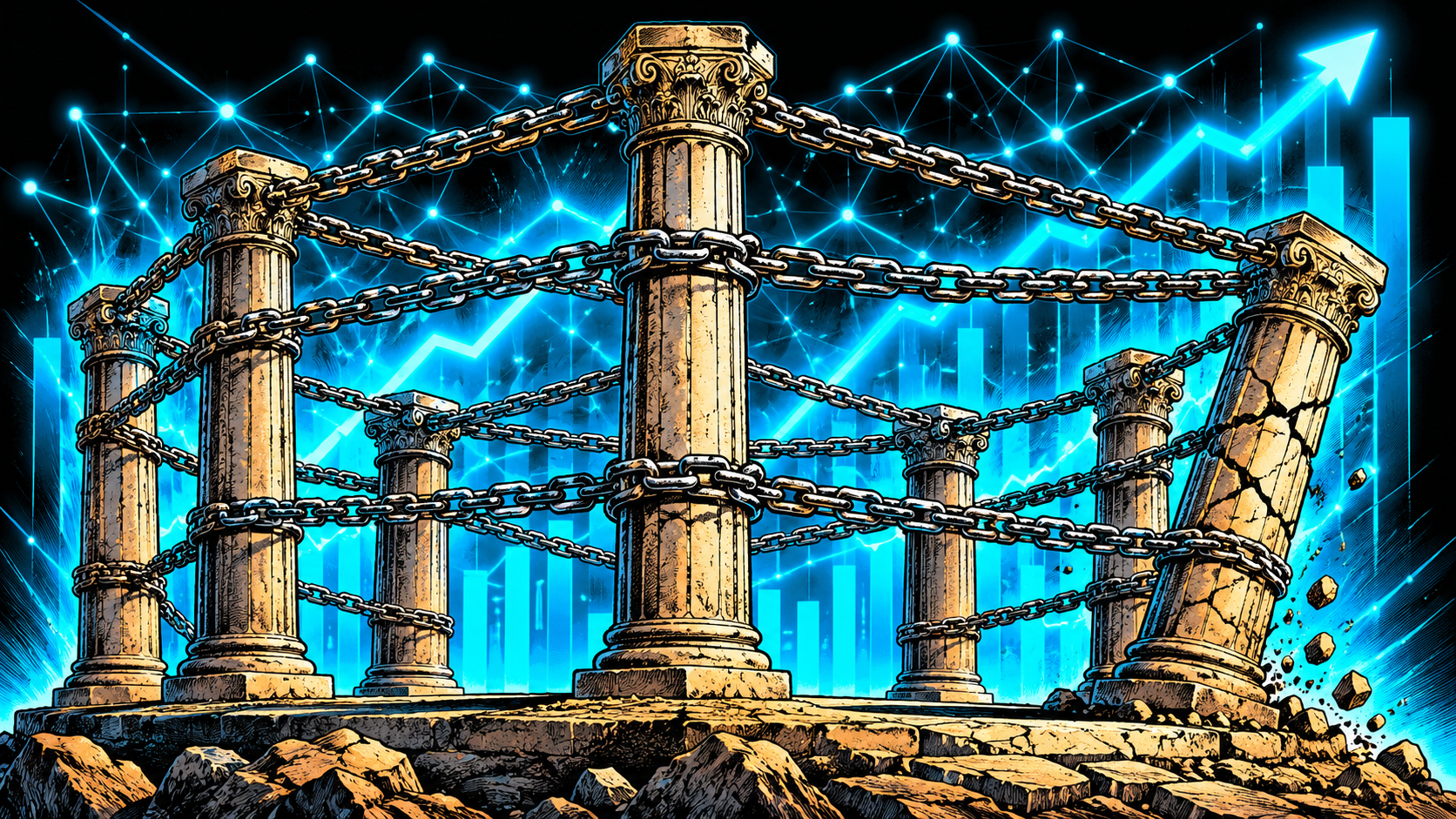
Complexity feels like strength right up until it's the thing that kills you. Every chain you add to the structure is a chain that can pull it down.
What not to do, part one: Europe, 1914
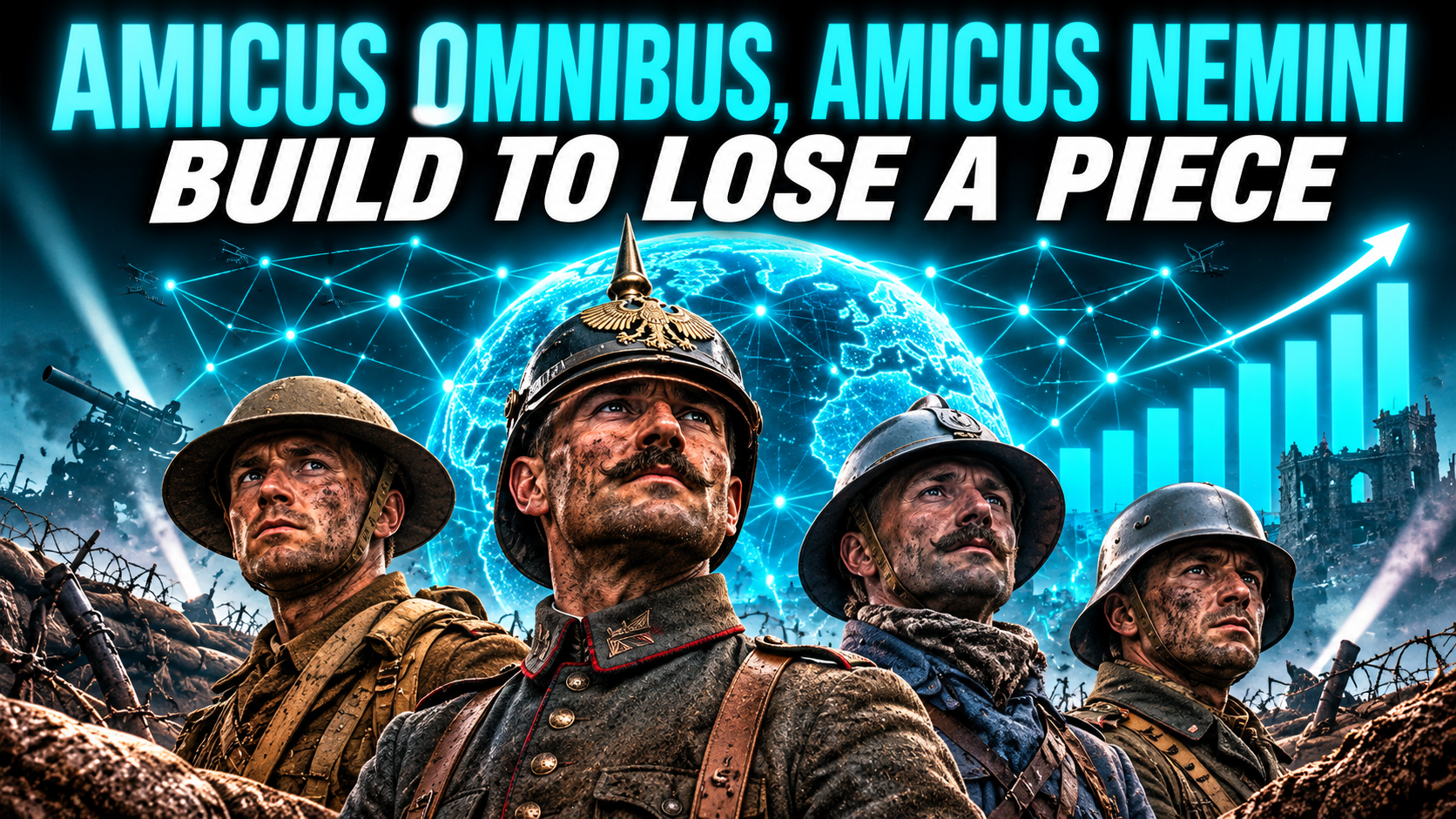
By 1914 Europe had tied itself into a knot on purpose. Germany and Austria-Hungary were bound together. France and Russia had a treaty aimed at Germany. Britain had settled its differences with France and then with Russia. Russia saw itself as the protector of Serbia. Every great power had promised to fight for somebody else, and most of the promises were secret, so nobody could fully see the shape of the thing they were standing inside.
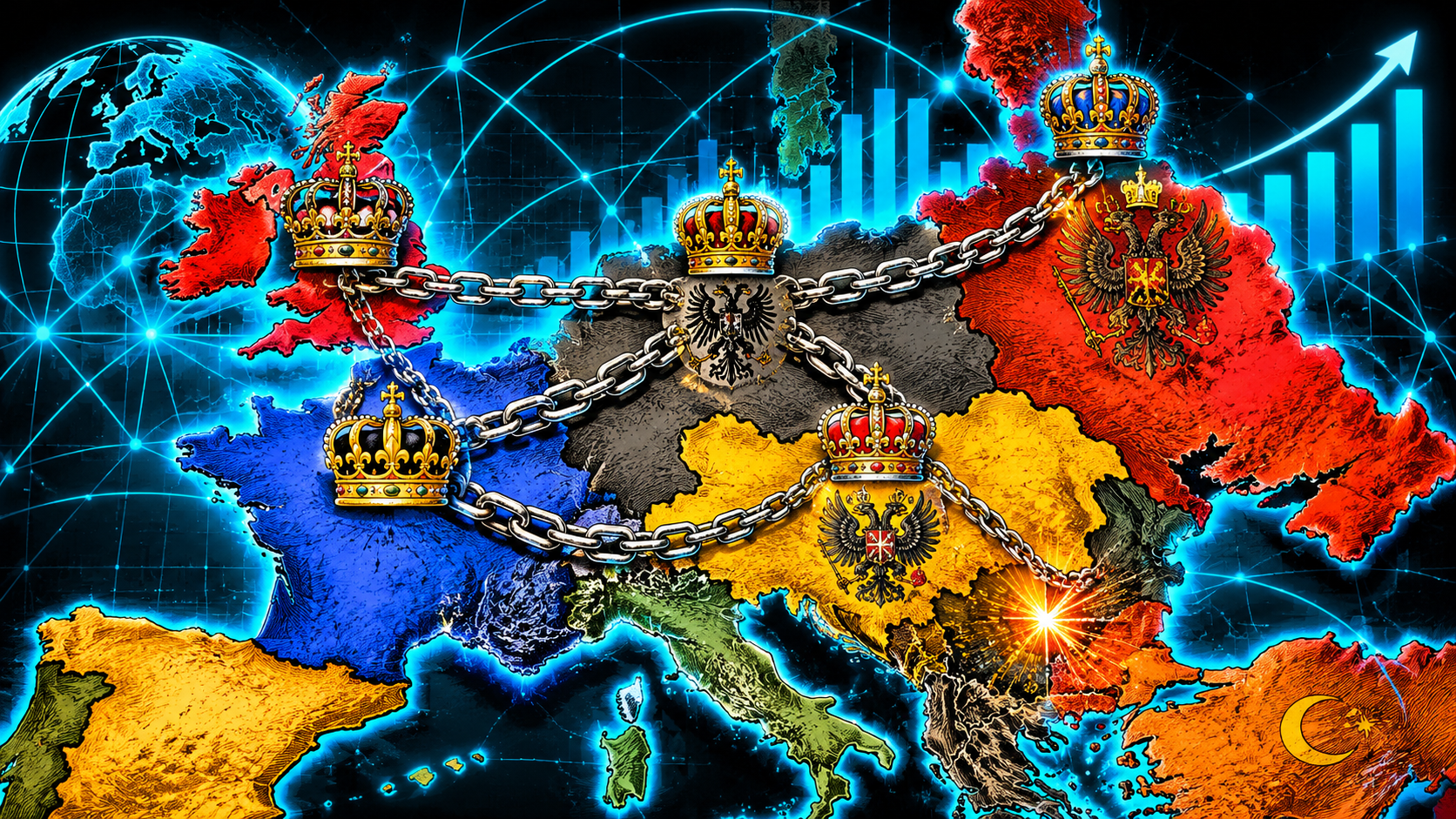
The spark was small. On June 28, 1914, a nineteen-year-old named Gavrilo Princip shot the heir to the Austrian throne in Sarajevo. It was a regional assassination in a corner of Europe most people couldn't find on a map. On its own it should have been a crisis between Austria and Serbia and nobody else.
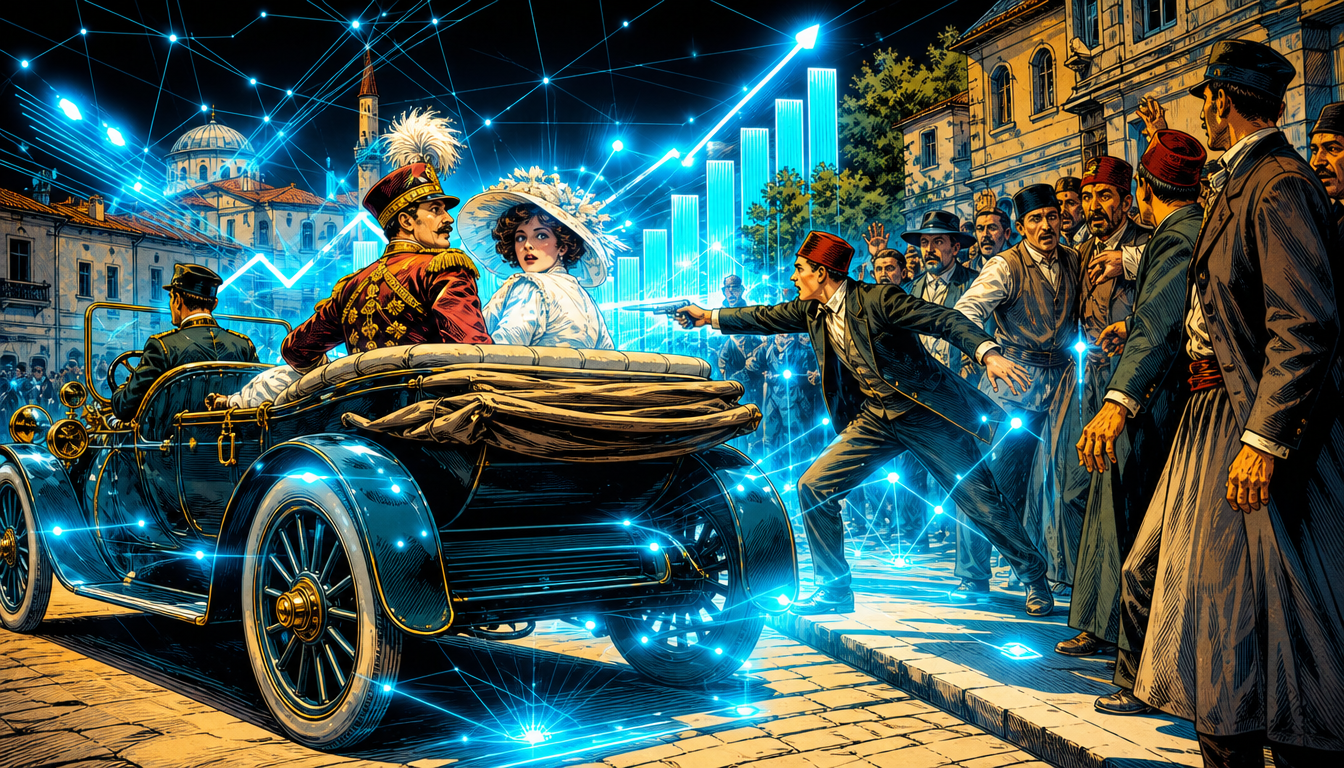
But the system didn't allow local problems. Austria moved on Serbia, so Russia mobilized for Serbia, so Germany mobilized against Russia, and Germany's only war plan required attacking France first, through Belgium, which brought in Britain. The really damning part is the timetables. Mobilization ran on railway schedules so precise that once you started you could not stop without leaving yourself defenseless. The Kaiser tried to halt the western attack at the last minute and was told by his own chief of staff that it was no longer physically possible. The machine had been built so well that the people running it couldn't turn it off.
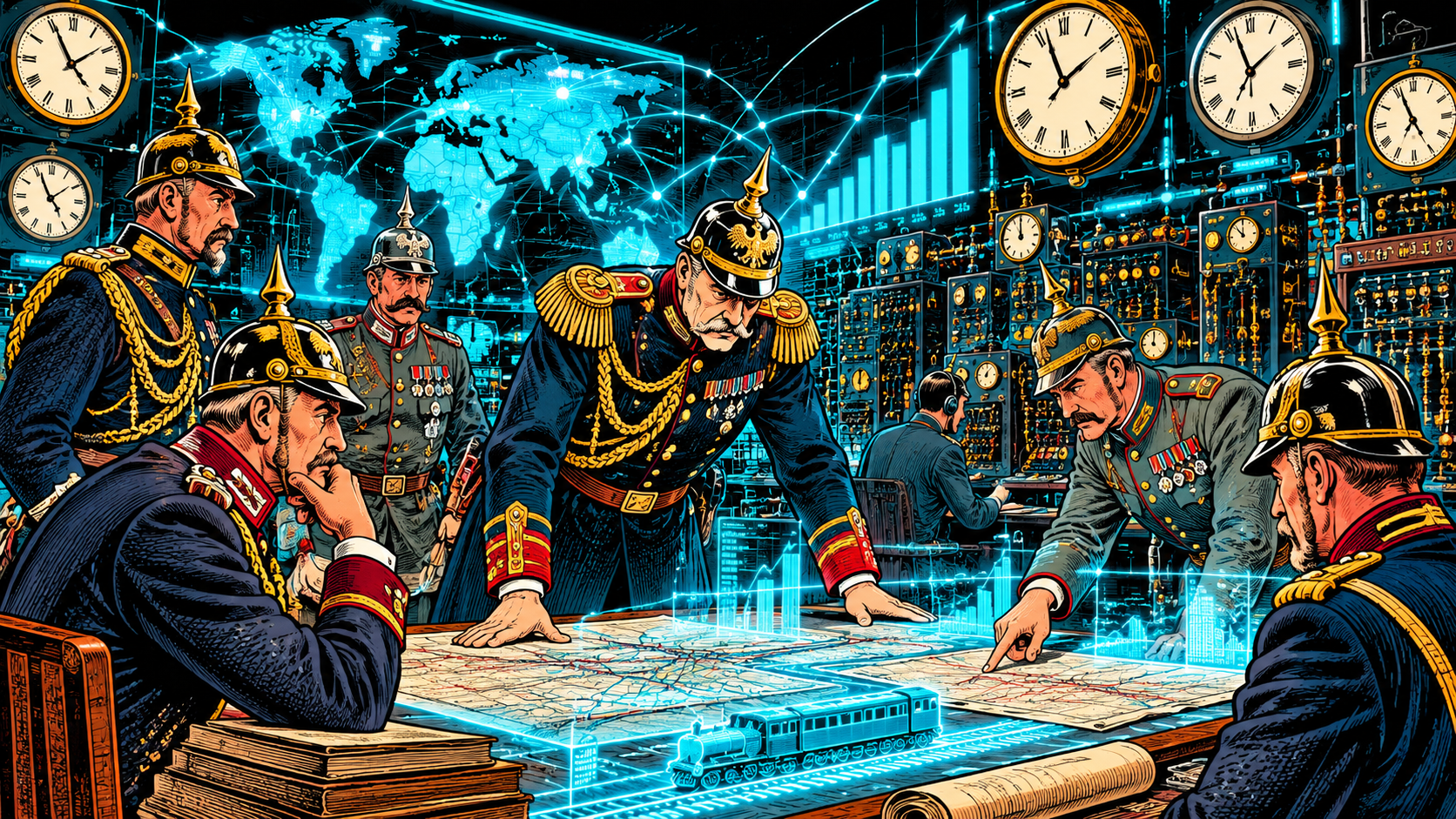
Five weeks after Sarajevo, every great power in Europe was at war. Not one of them had wanted a general war that summer. Each one acted correctly according to the commitments it had made, and the sum of all those correct actions was catastrophe.
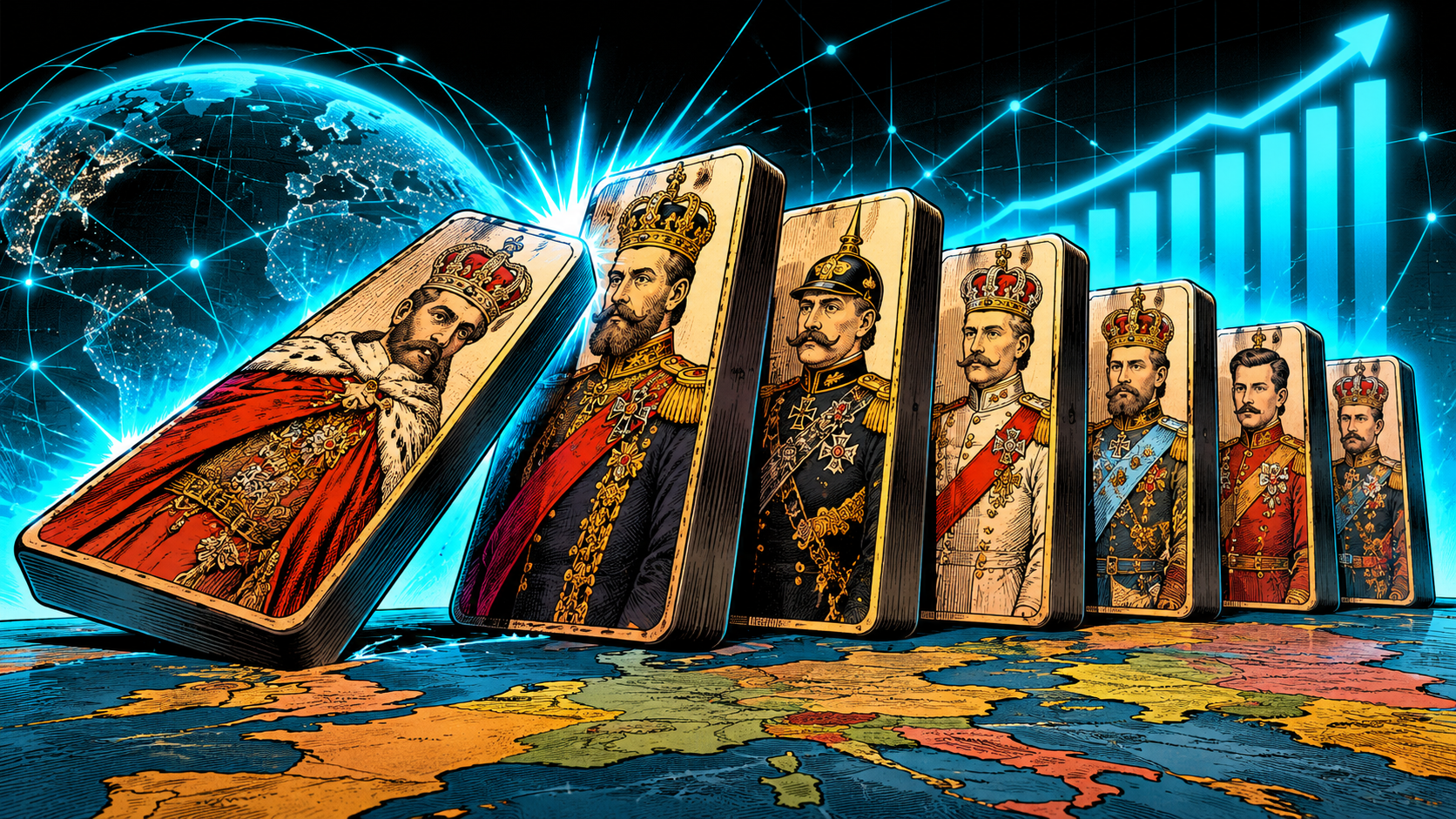
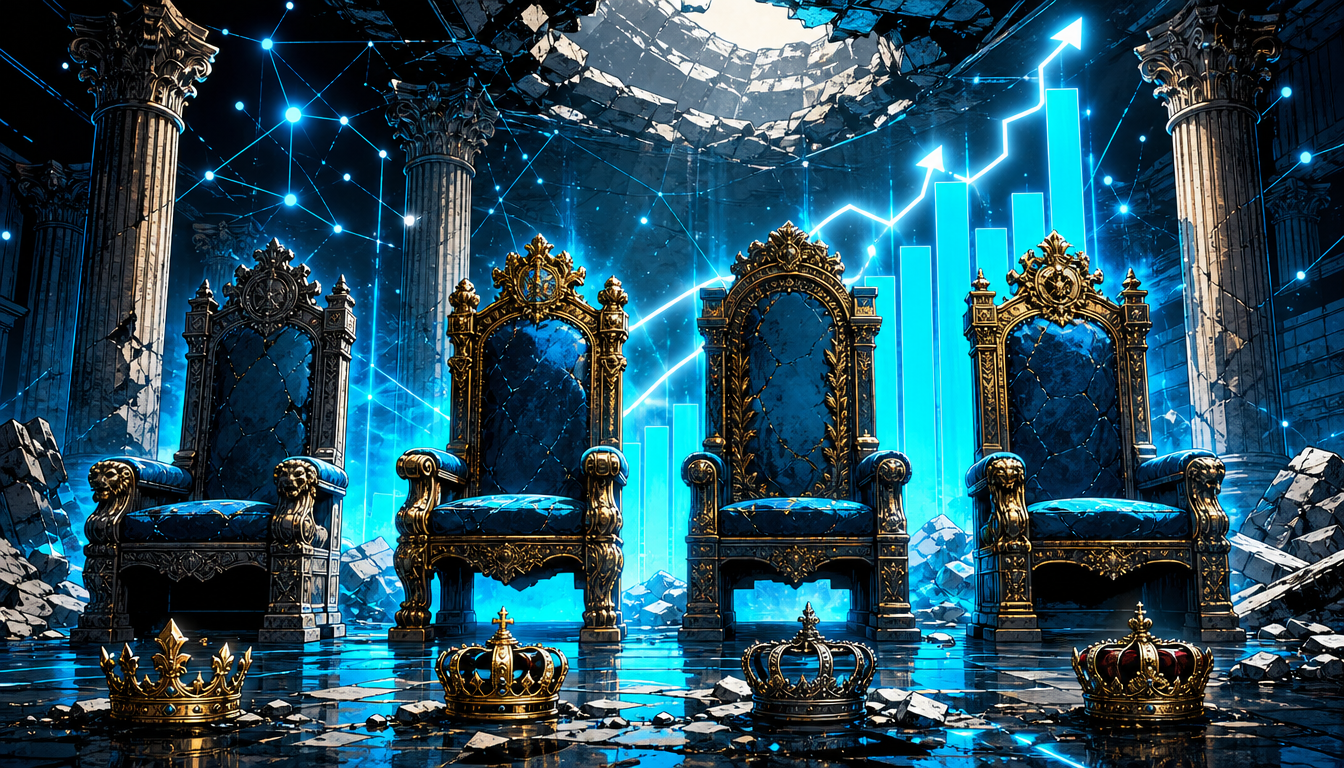
Four years and something like twenty million dead later, the German, Austro-Hungarian, Russian and Ottoman empires were all gone. Four of the oldest political structures on earth, erased, because they'd wired themselves together so tightly that none of them could fail alone.
What not to do, part two: the Bronze Age, 1200 BC
Go back three thousand years and the same thing happened to the first globalized economy. Around 1300 BC the eastern Mediterranean was a web of palaces: Mycenaean Greece, the Hittites in Anatolia, Egypt, Ugarit on the Syrian coast, Cyprus, Babylon, Assyria. They were all trading with each other constantly. A single shipwreck off the Turkish coast from that era, the Uluburun, carried ten tons of copper from Cyprus, a ton of tin from somewhere as far as Afghanistan, and goods from at least seven different cultures in one hold.
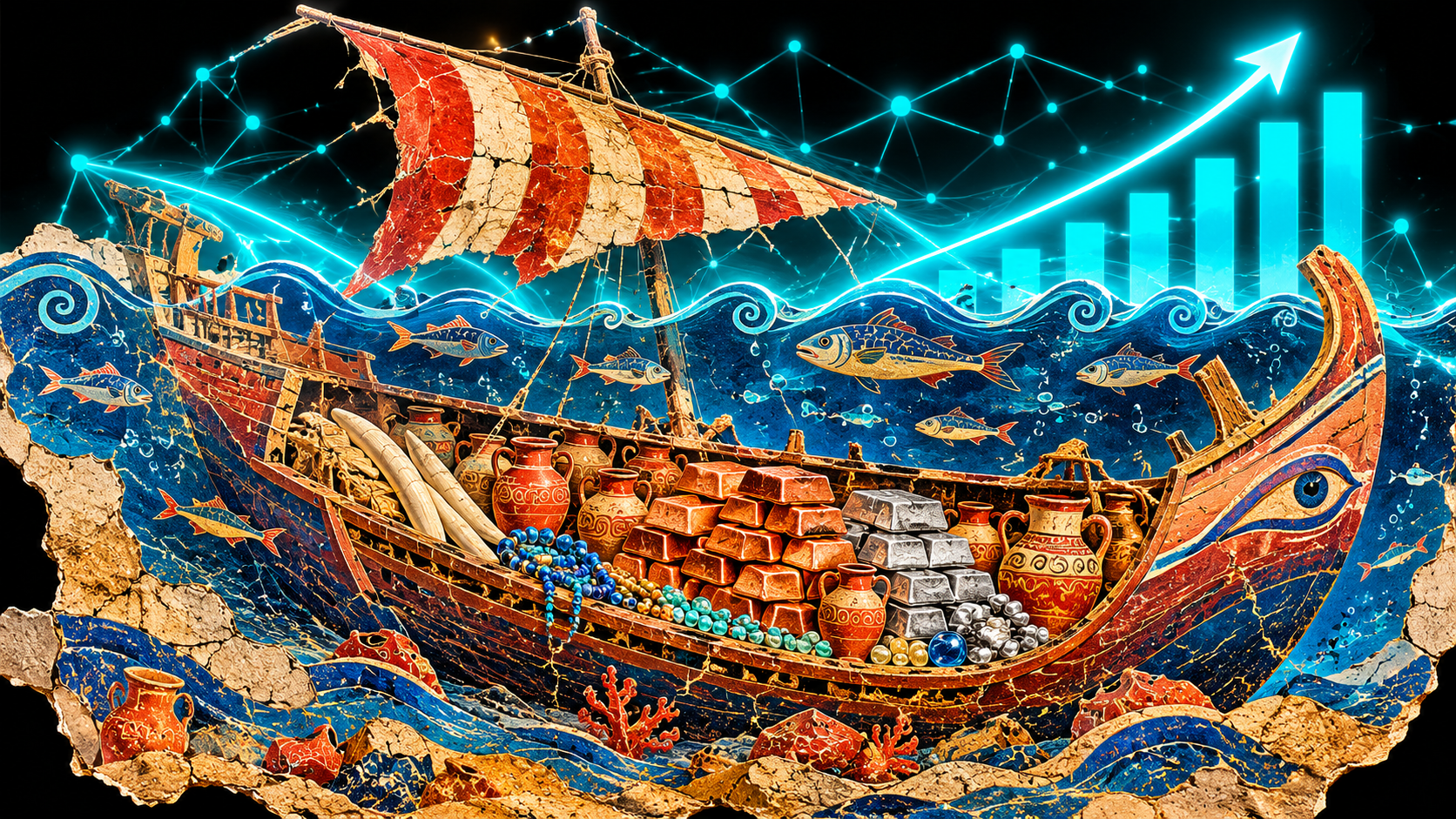
The reason that mattered is the metal itself. Bronze is copper plus tin, and tin came from a handful of distant places. Every sword, every plow blade, every chariot fitting in the entire region depended on a trade route nobody controlled end to end. The kings wrote to each other constantly, swapped gifts, married off daughters, shipped grain when a neighbor's harvest failed. It was sophisticated, it was prosperous, and every piece of it leaned on every other piece.
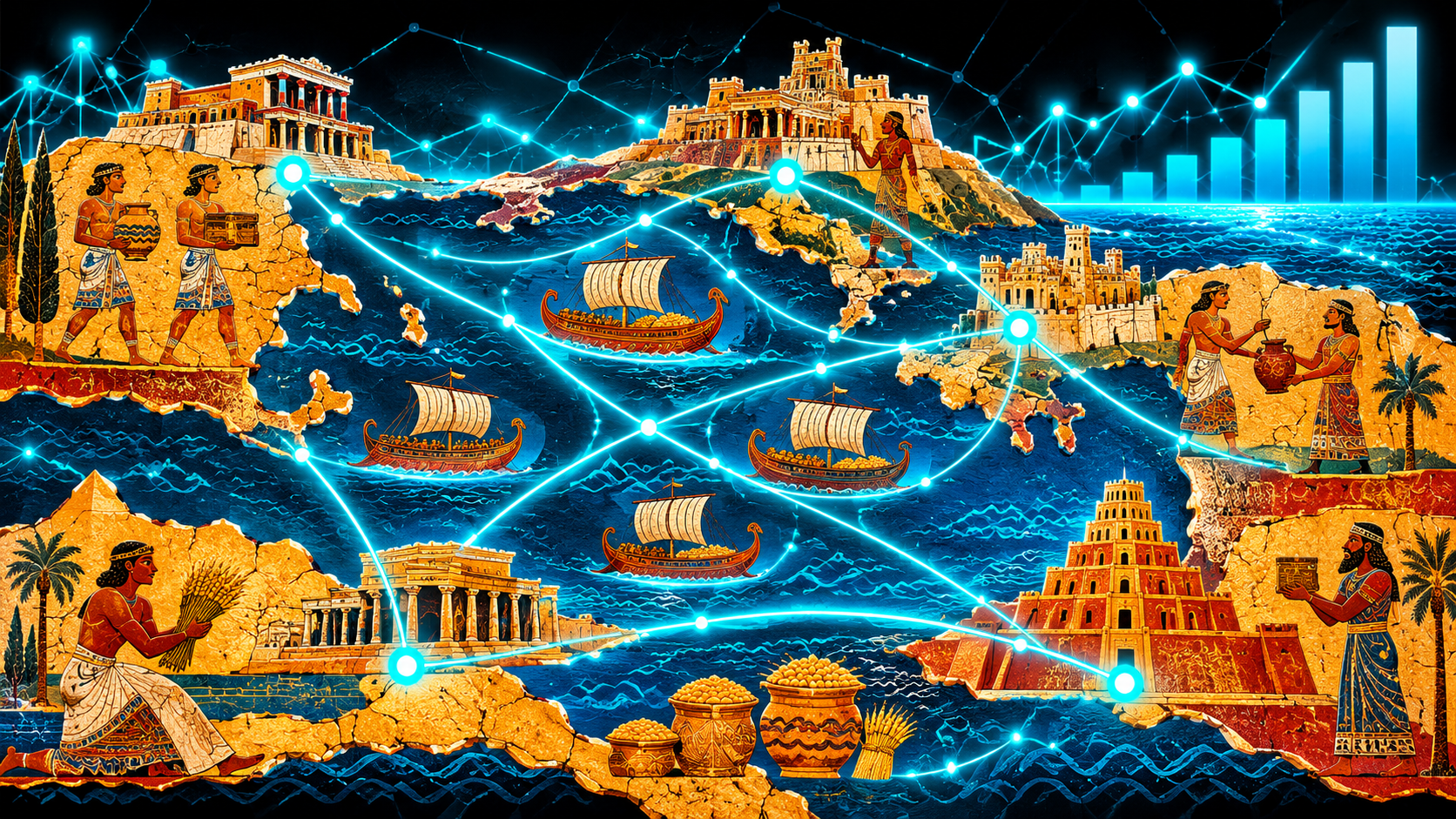
Then, over about fifty years, nearly all of it collapsed, and historians still argue about why. There was a long drought, which the pollen records show. There were earthquakes. There were internal revolts. And there were the Sea Peoples, a wave of migrating raiders the Egyptians recorded fighting off in 1177 BC. The honest answer is that it was probably all of those at once, and none of them alone would have done it. A system that connected can absorb one shock. This one got four, and because every kingdom depended on every other, the shocks traveled.
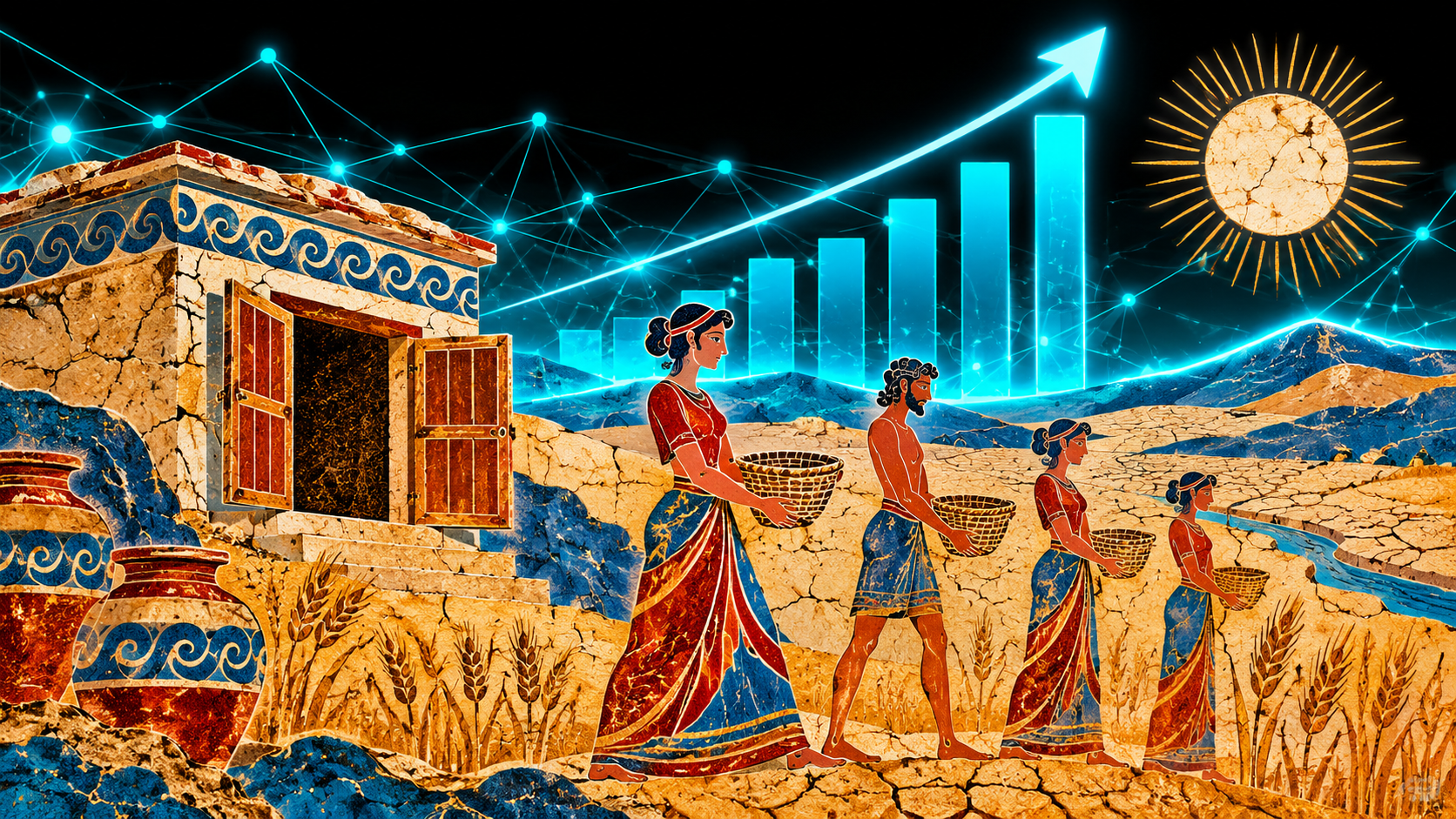
The last letters out of Ugarit are hard to read. The Hittite king, whose empire had been the superpower of the region, wrote begging for grain, saying it was a matter of life or death. The king of Ugarit wrote to Cyprus that enemy ships had come, his troops were away helping the Hittites, his own ships were away, and the enemy was burning his cities. That tablet was never sent. It was found in the ruins of the kiln where it was being baked. Ugarit was destroyed and never rebuilt.
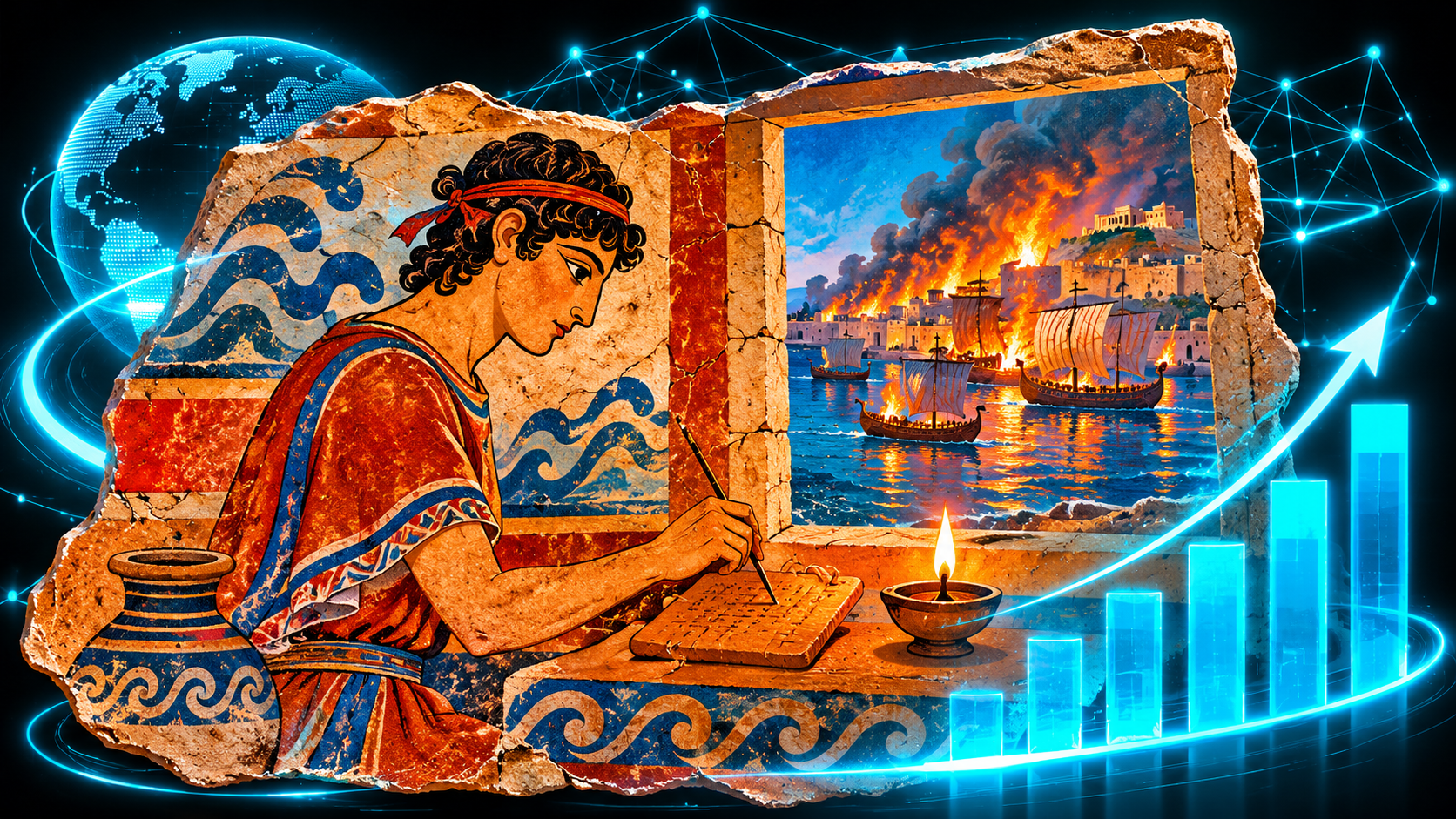
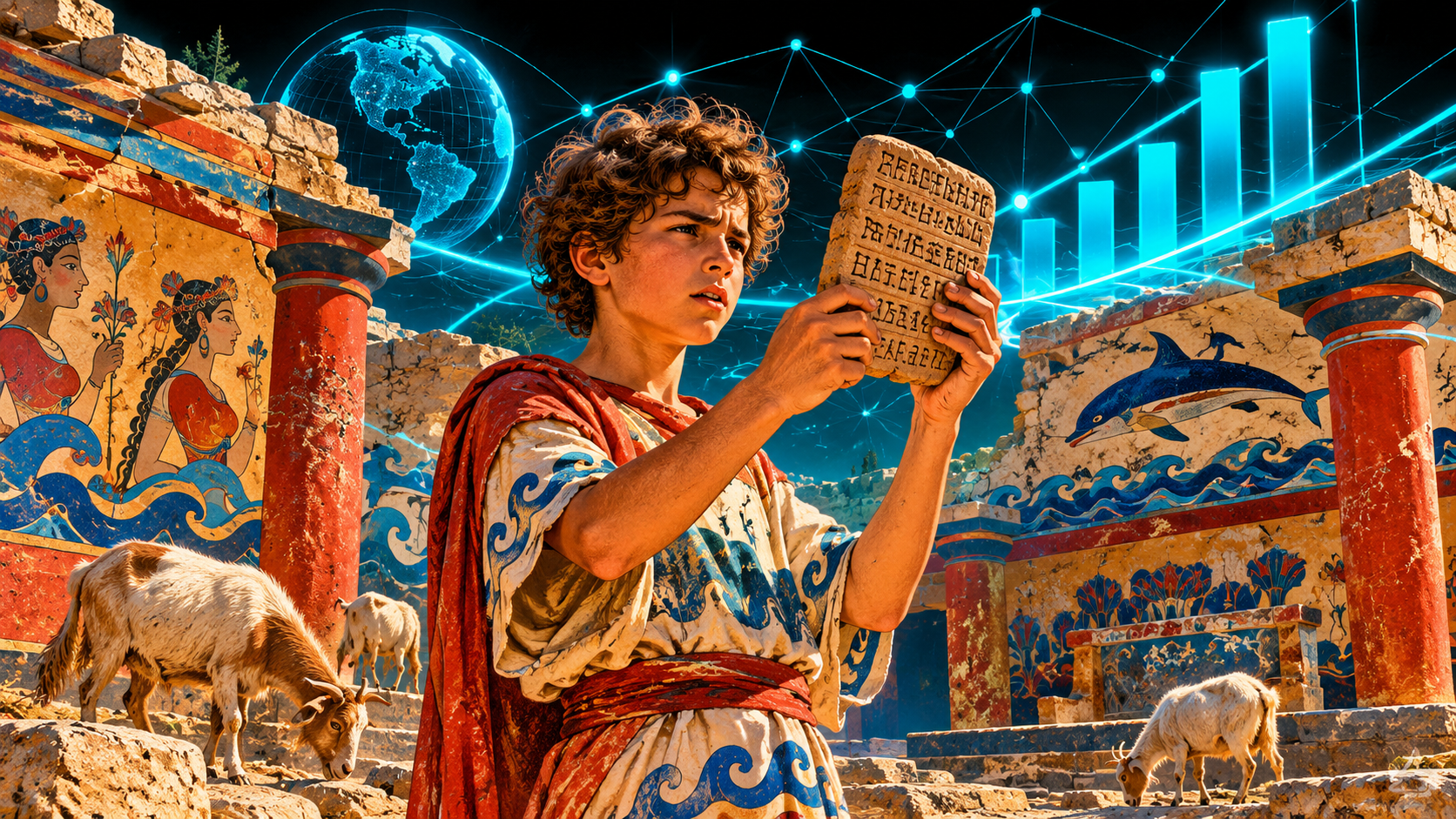
Within a few decades the Mycenaean palaces were ash, the Hittite Empire was gone, and Egypt was a shadow. In Greece, writing itself disappeared. The script they'd used for palace records stopped being used, and for roughly four hundred years nobody in Greece could read or write. The civilization that produced the Trojan War stories forgot how to write them down. That's what a cascade through a brittle network looks like at full scale.
What to do: Elizabeth, 1558
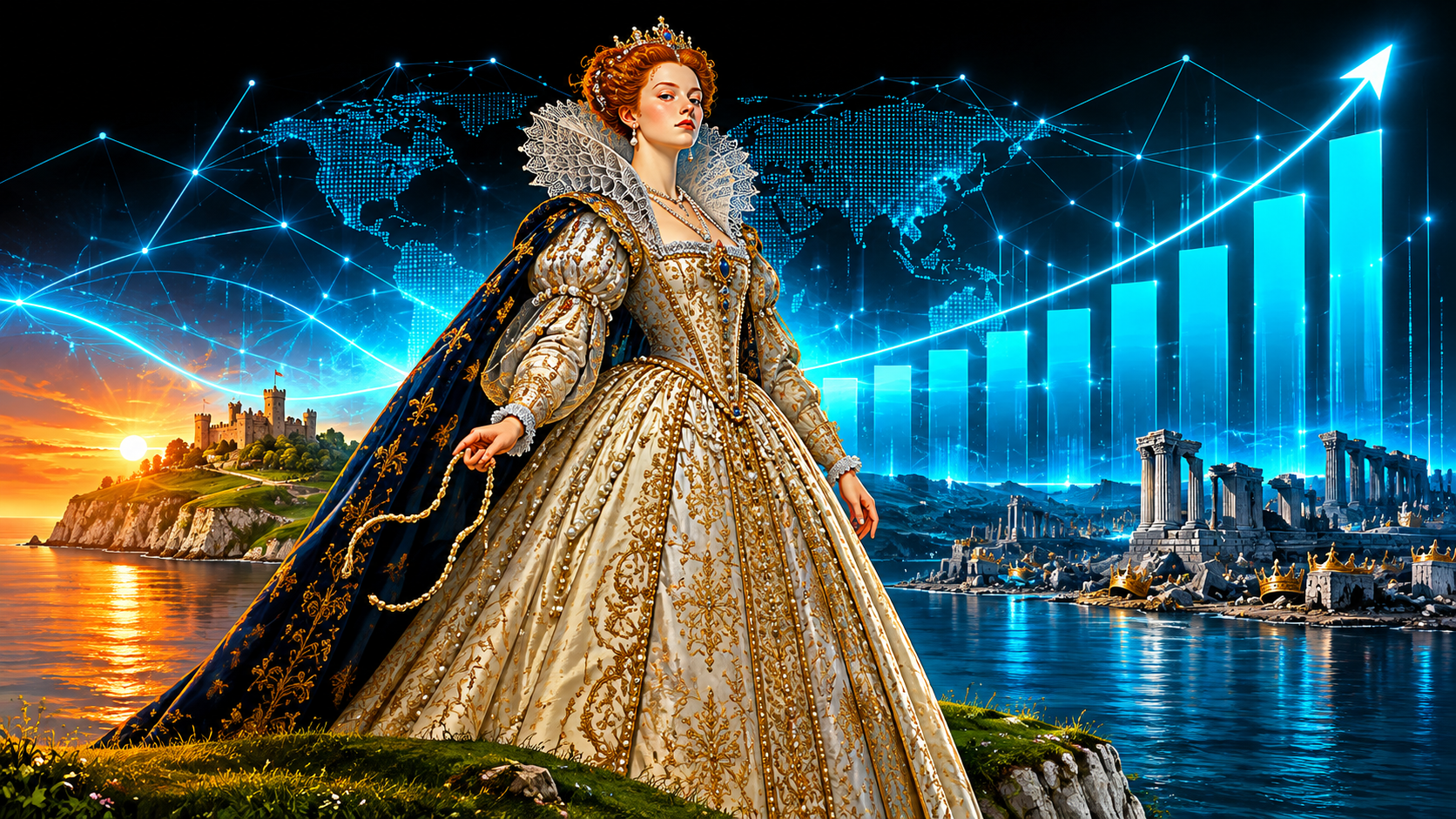
Now the one who got it right. In 1558 Elizabeth Tudor inherited England at twenty-five. The treasury was empty. The country had just been through a Catholic queen burning Protestants and a Protestant king before that, so half the population thought the other half were heretics. France was hostile and had a claim on her throne through Mary, Queen of Scots. Spain under Philip II was the richest and most powerful state on earth, and Philip had been married to Elizabeth's sister, so he felt he had a say. England was a small, broke, divided island between two giants.

The obvious move was to pick a side. Marry a prince, sign a treaty, get a big brother. Every advisor she had told her to do it. Instead she did something that looks, from the outside, like indecision, and was actually the most disciplined strategy in sixteenth century Europe. She entertained every offer and accepted none. Philip of Spain proposed. An Austrian archduke proposed. The King of Sweden sent his brother. Two French princes courted her, one of them for years, into the 1580s. She called the last one her frog and kept him dangling until it stopped being useful. For twenty-five years the most eligible woman in Europe negotiated marriages she had no intention of making, because an open negotiation was worth more than any signed treaty.

Think about what a marriage would have done. Marry Spain and she's a Spanish province with France as a permanent enemy. Marry France and the reverse. Marry an Englishman and she's created a faction at home. Any binding alliance meant inheriting someone else's wars, exactly the mechanism that detonated Europe in 1914. So she bound herself to nobody, kept Spain and France each believing she might lean their way, and let them spend their energy watching each other instead of her.

Where she did act, she kept it deniable and revocable. She let Francis Drake and the other privateers raid Spanish treasure ships and took a cut, while officially knowing nothing about it. She sent money and some troops to the Dutch rebels fighting Spain, but on her own terms and with the door always open to pull back. She never committed to anything she couldn't walk away from, and that meant no single bad turn could take the whole island down with it.
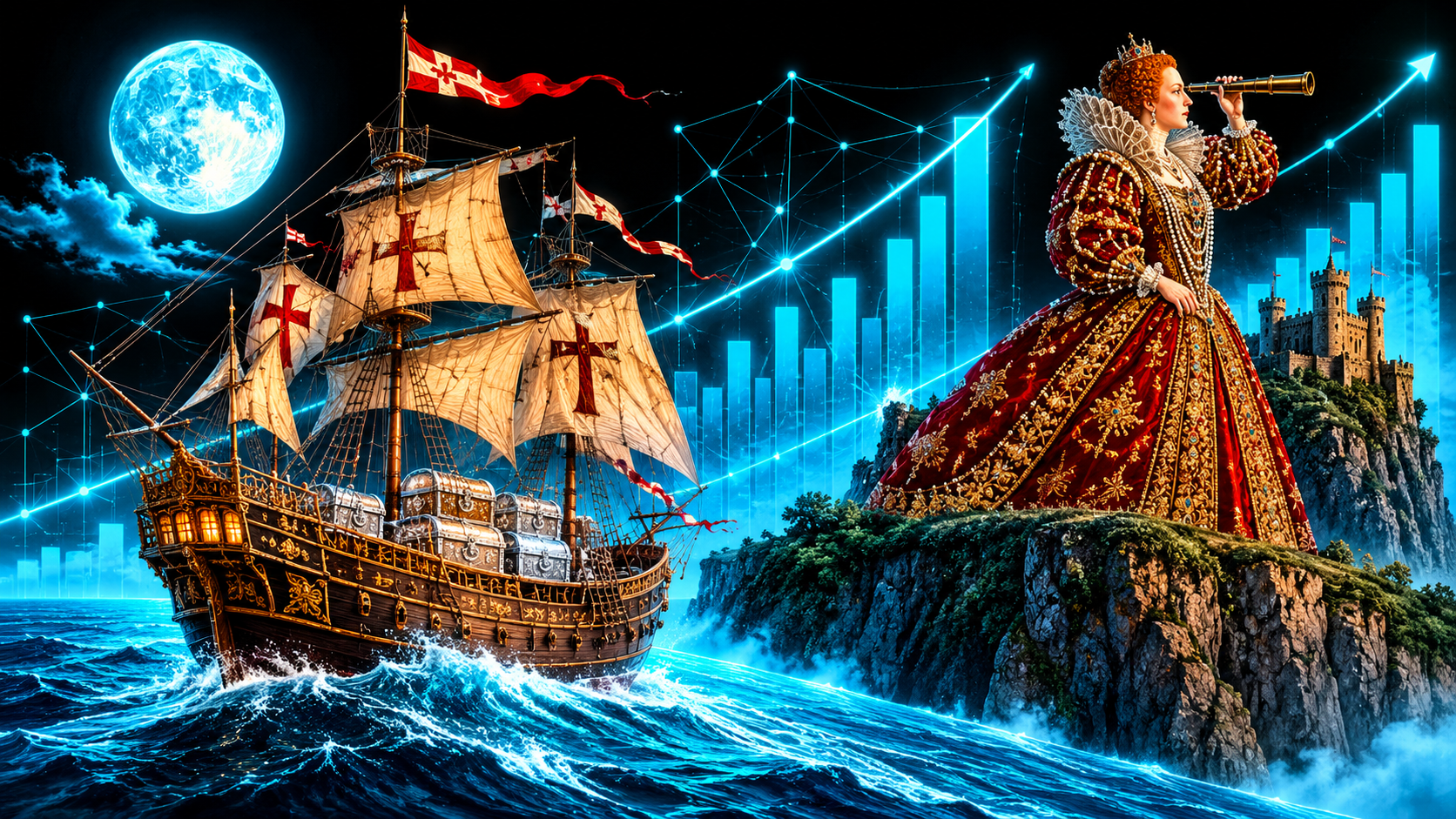
Meanwhile Philip of Spain did the opposite. He was fighting the Dutch, intervening in France's religious wars, holding the Mediterranean against the Ottomans, running an empire in the Americas, and now he decided to add England. He had the money of the New World and he still went bankrupt three times, because he was entangled in everything everywhere at once. That's the overreach. He was the empire that couldn't fail in one place without it pulling on all the others.

In 1588 he sent the Armada, a hundred and thirty ships, to pick up an invasion army in Flanders and land it in England. The plan required the fleet and the army to meet at an exact place and time, across the Channel, under enemy harassment. Complex, impressive, and brittle. The English sent eight burning ships into the anchored Spanish fleet at night off Calais, the Spanish cut their anchor cables to escape, the formation broke, and the fight the next day at Gravelines scattered them. Then the wind pushed them north around Scotland and Ireland, and something like a third of the Armada never came home.
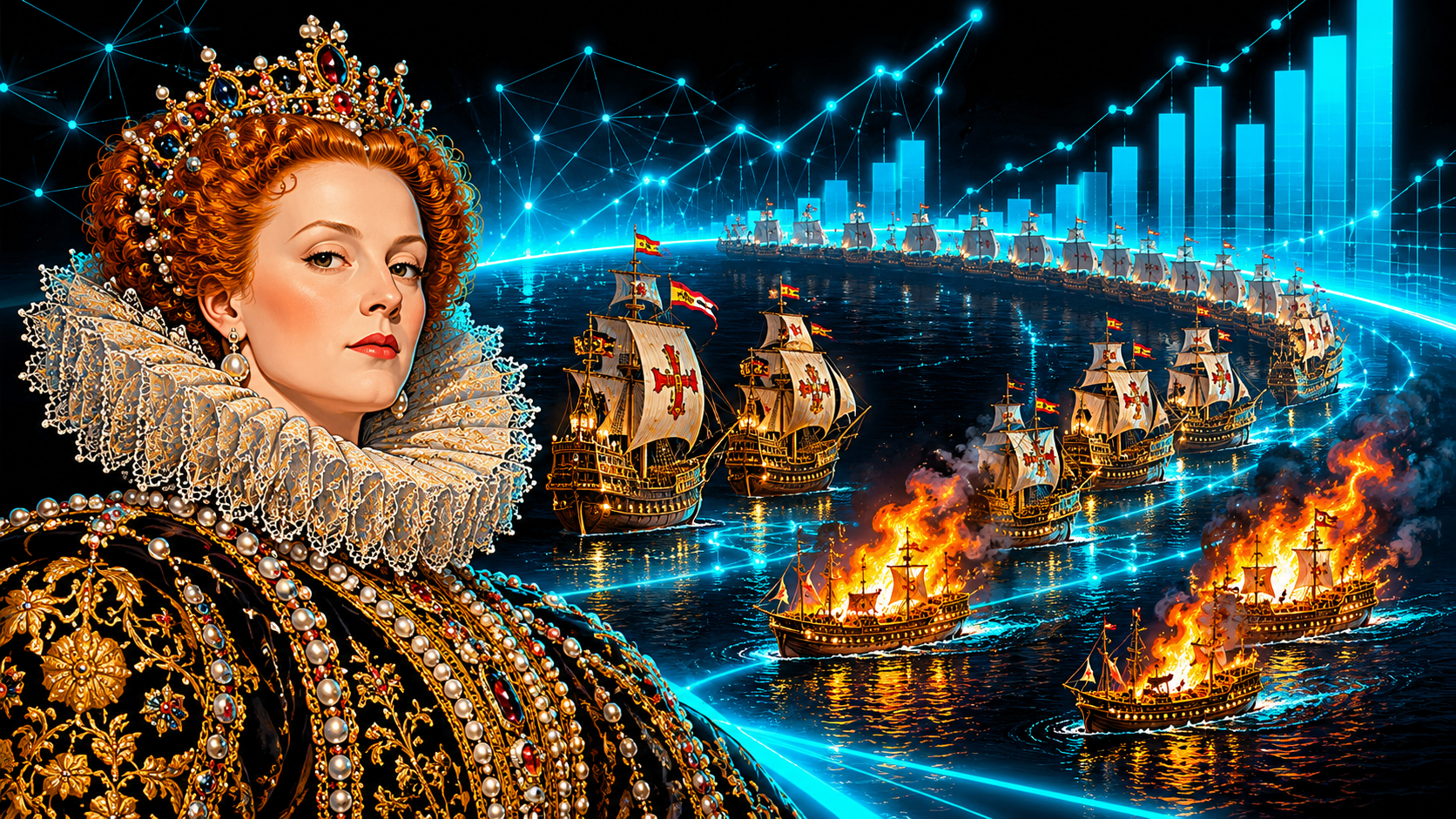
Elizabeth rode out to her troops at Tilbury in a breastplate and told them she had the body of a weak and feeble woman and the heart and stomach of a king. Fine speech. The real point is she was still there to give it. The small, flexible island that had bound itself to nobody was intact, and the vast interlocked empire that had committed to everything had just watched its main fleet sink.
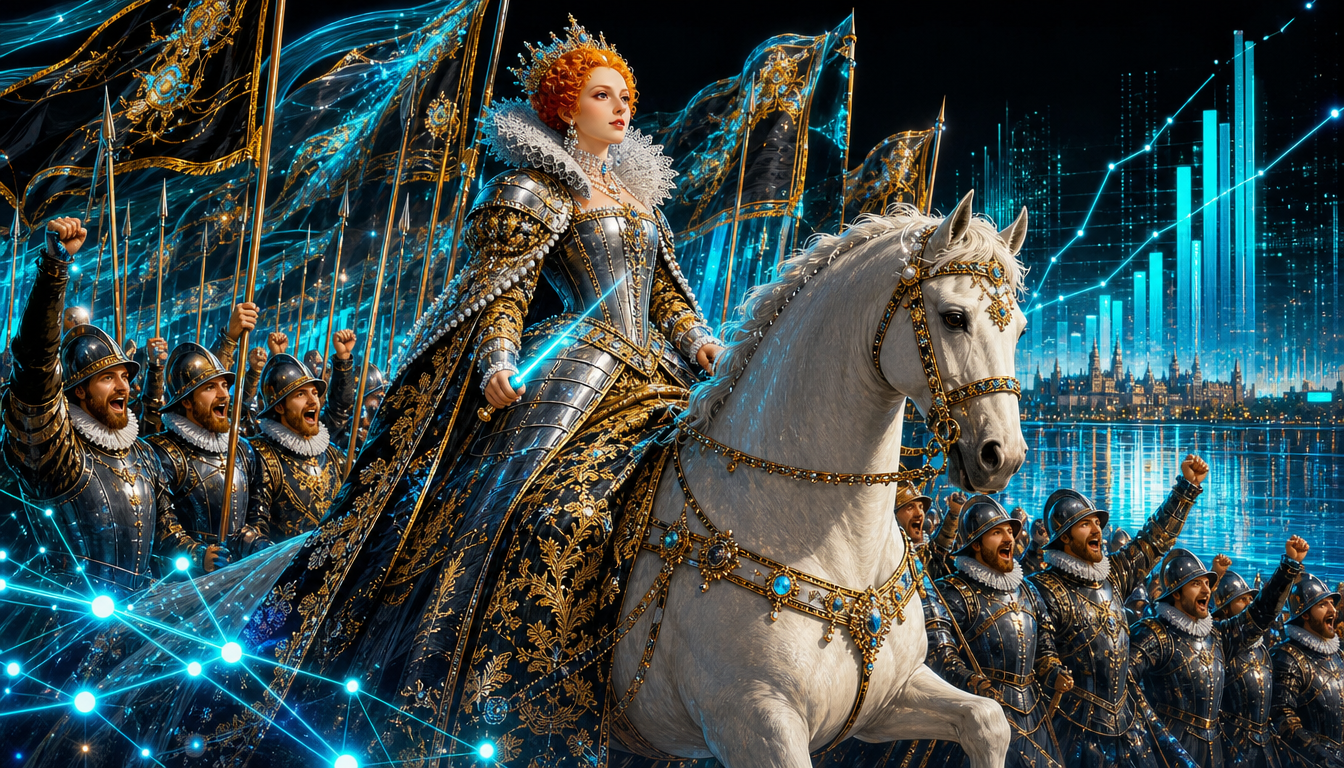
She ruled for forty-five years, never married, never signed the binding alliance, and handed over a country that was solvent, unified, and on its way to the next three centuries. Philip's Spain spent the next century declining. The whole difference was how much each one had let themselves be tied to.
Now your business
Here's where it lands. Most founders build 1914. Nine SaaS tools wired together, each one a dependency, each one a vendor who can change pricing or go down or get acquired. A custom integration nobody fully understands. One client that's forty percent of revenue. One engineer who's the only person who knows how the billing works. It looks sophisticated. It's an alliance system waiting for its Sarajevo.
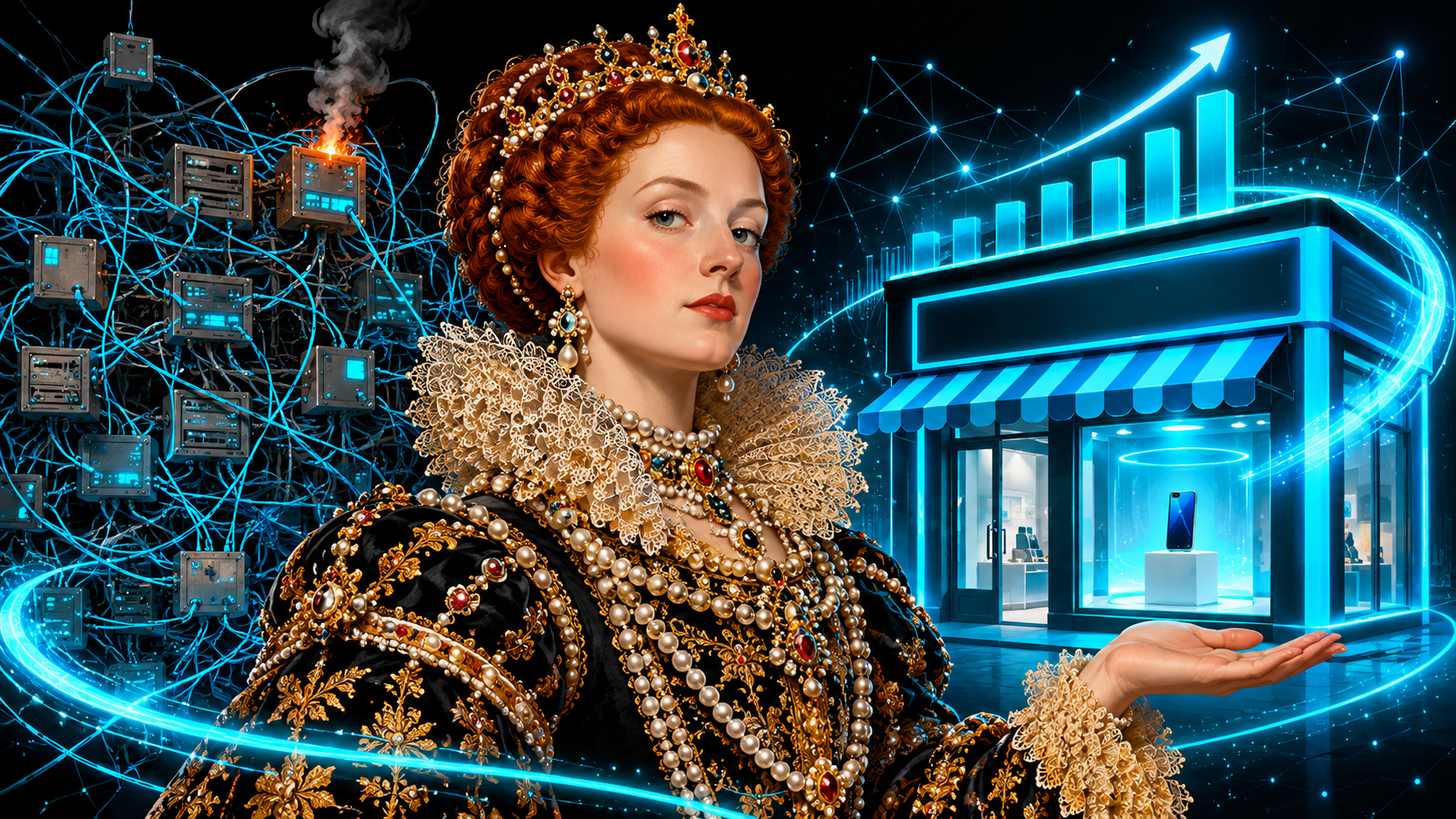
I've written before about why we built Hyppo as one platform instead of a chain of integrations, and this is the deeper reason. Every connection you don't need is a connection that can pull you down. Own the core. Keep the dependencies you can't avoid loose enough to swap. Have no single point whose failure cascades. That's not a lack of ambition. It's Elizabeth's entire foreign policy, applied to a tech stack.

And it applies to the business side just as hard. One niche, one offer, done extremely well, beats five offers to five markets that each need their own everything. Turn down the complicated client. You know the one, the custom scope, the twelve stakeholders, the contract with clauses nobody understands, the revenue that would make you dependent on them. That client is a marriage proposal from Spain. The money is real and the entanglement will cost you more than the money.

Same with markets. Some terrain doesn't fit you, and the Armada is what happens when you go anyway because you could. If winning in a market requires a plan where everything has to go right in sequence, you're not expanding, you're committing to a rigid timetable, and the first surprise breaks it. Stay in the channel where your boat works.
Here's the Elizabeth checklist:
- Count your chains. Every vendor, integration, key person and big client is a link. Ask what happens if each one goes to zero tomorrow. If the answer is "everything," that's 1914.
- Own the core, rent the edges loosely. The stuff that makes you you should be yours. The rest should be swappable in a weekend.
- Keep options open longer than feels comfortable. Elizabeth negotiated marriages for twenty-five years. A signed commitment is only worth more than an open negotiation if you actually need the thing.
- Prefer deniable and revocable. Pilots, short terms, small bets you can walk away from, before anything you can't.
- One niche. One offer. Depth beats a web of mediocre coverage every time, and it can't cascade.
- Say no to the complicated client and the wrong market. Both look like growth. Both are entanglements wearing a growth costume.

Europe tied itself together and one shooting took four empires. The Bronze Age world linked every palace to every other and a bad decade erased writing for four hundred years. Elizabeth tied herself to nobody and outlasted everyone who tried to tie her down. Build the thing that can lose a piece and keep going. Friend to all. Ally to none.
Want to talk about what you're building?
Get in touch