
A Camera Store Doubled Its Sales in 2 Weeks. AI Ran the Ads.

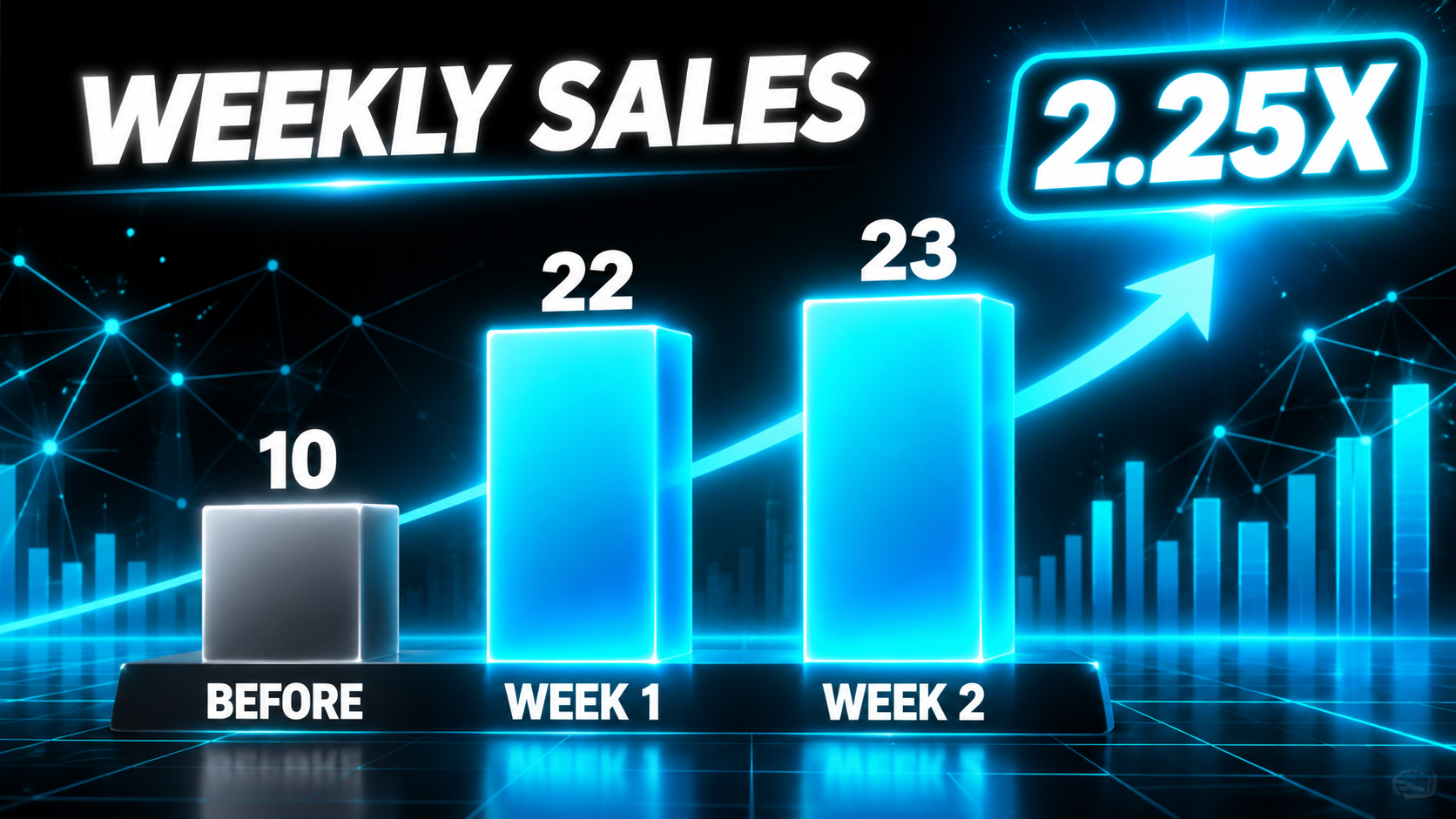
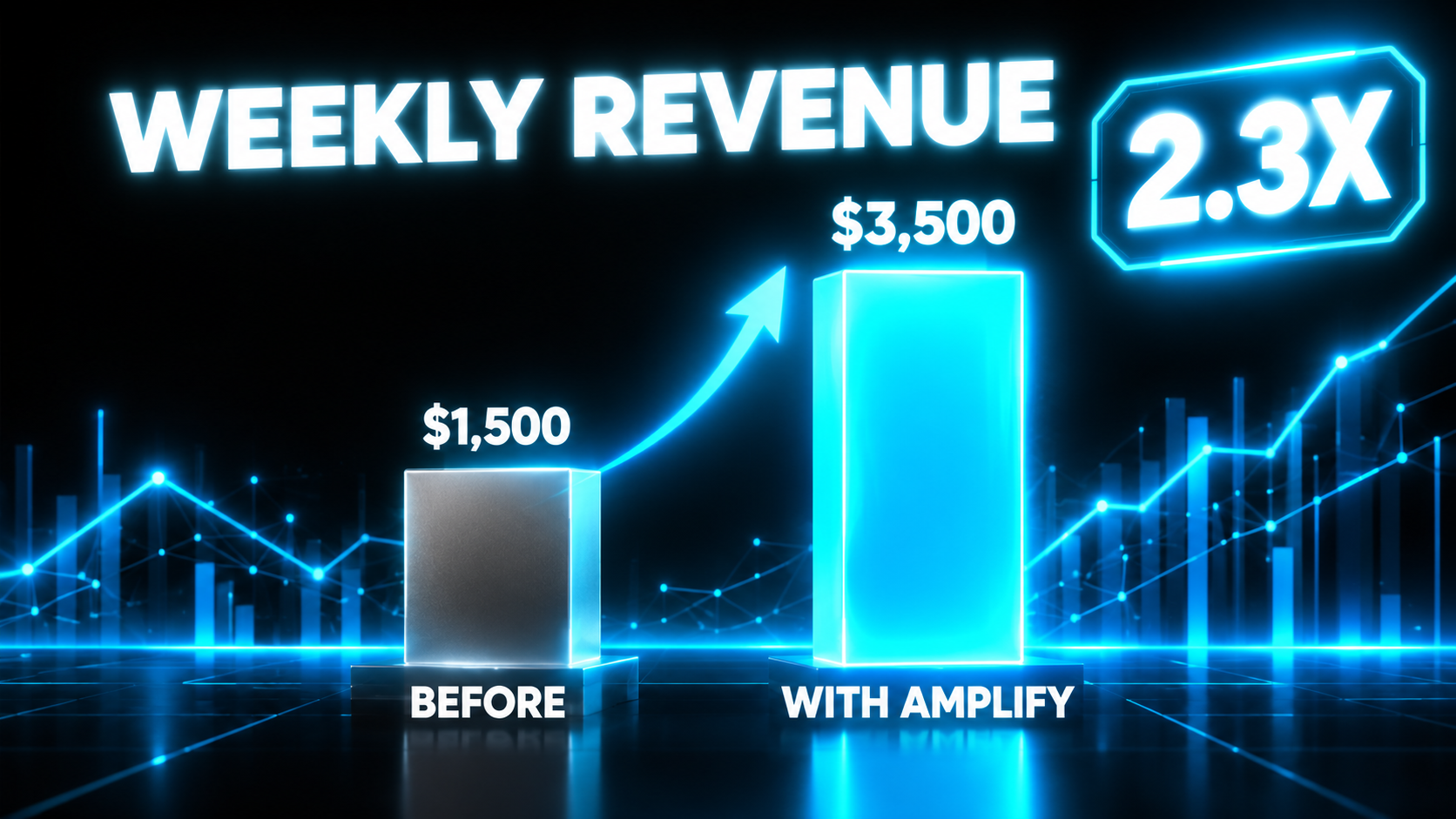
Joe owns a camera store in Florida and couldn't afford our usual ad rates. So he became the first business on Amplify, our AI ad manager. In two weeks his sales went from about 10 a week to 22 and 23, his weekly revenue went from about $1,500 to an average of $3,500, and every $1 in ads brought back about $5.70 in new revenue.
Joe owns a camera store in Florida. Cameras, lenses, rentals, sensor cleaning, classes. The store had been open for three years when we started running his ads. He wanted more people walking through the door.
There was one problem. He couldn't afford what we usually charge to run ads. Most small shops can't. Good ad management has always been priced for companies with a marketing department, not for a local shop.
So we made Joe a different offer. Be the first business on Amplify.
Two weeks later, his sales had more than doubled.
What Amplify is
Amplify is our AI ad manager. It runs your ads on its own. It makes the ads, tests them against each other, watches what happens, and keeps what works. You don't log in every morning to babysit it. That's its job.

Joe was beta tester number one. Here's what happened in his first two weeks.
The numbers
Sales went from about 10 a week to 22, then 23. That's 2.25x.
Revenue went from about $1,500 a week to an average of $3,500. That's 2.3x.
Two weeks. Read that again.
And this wasn't a brand new store with nowhere to go but up. It had three years of normal weeks behind it. Then came two weeks of Amplify.
The return on ad spend
Here's the number every business owner actually cares about. Joe spent about $50 a day on ads, roughly $700 over those two weeks. His revenue came in about $4,000 above a normal two weeks.
That's about $5.70 back for every $1 in ads. A 5.7x return on ad spend.

And that's the conservative math. It only counts the new money above his normal week, not his whole register.
It also doesn't count lifetime value. Somebody who comes in for a sensor cleaning takes a class next month. Then they buy a new camera. Then they rent a lens for a wedding. None of those future sales are in this number. Every new customer the ads bring in keeps paying off long after the first sale, so the real return is going to be much higher in the coming weeks.
Why two weeks is fast
If you've ever run Facebook or Instagram ads, you know the drill. Meta usually takes a few weeks to learn. It has to figure out who clicks, who calls and who buys. Most people will tell you not to even judge an ad for the first month. While it learns, you pay for its education.
That's a lot of money to spend before you know anything. Joe's account skipped most of it, because Amplify didn't start from zero.

AI plus a playbook
Here's the part most people miss about AI. AI on its own is just fast. Point it at nothing and it makes bad ads faster than any person ever could.
Amplify runs on our playbooks. These are the patterns we've already seen work in real ad accounts with real money behind them. For Joe, it started from a call recipe that has already driven over 200 phone calls for another one of our clients. A big, clear offer. The store's logo up top. A giant button that calls the store directly. No forms to fill out. No funnel. The phone just rings.

The first batch of ads missed Joe's brand. He told us, and new on-brand ads were live the same day. When AI makes the creative, a round of changes takes hours, not weeks.
Then the calls started. My favorite detail is sensor cleaning, one of the services in the ads. The shop did about 5 sensor cleanings in the seven weeks before the ads went live. In under three weeks after, it did about 20. That's about as clear a sign as you get.
Why this matters
I've written before about how bad I used to be at ads, and how I stopped trying to be good at them and built a machine instead. Amplify comes from the same idea. Stop depending on someone being good at ads, and build a system that is.
For most of the history of advertising, a real ad machine was something only bigger companies could pay for. You hired a team. You paid their retainer. You waited a month to find out if it worked.
Joe runs a local camera store. Now he has that kind of machine working for him, and it doesn't need a team of people to run it.
Is two weeks the whole story? No. I'll keep sharing his numbers as they come in. But 2.25x the sales in the first two weeks, in the window when most ad accounts are still learning, is a pretty good start.
Joe was the first. If you run a local business and you want to be next, start here.
Want to talk about what you're building?
Get in touch