
Skills or Superpowers?
AI is a cheat code, and the skill file is one of the specific buttons that makes it one. A skill is just a markdown file (plain, readable text) of written instructions you hand your AI coding agent so it can carry out a task it couldn't before. Real example: my team couldn't get Claude Code to analyze video, so I wrote a skill telling it to split any .mp4 into frames to look at and audio to transcribe. Went from "can't touch video" to "no problem." Think Mario power-ups: each skill is a new ability. It's how Joe 3.5 turns my voice memos into published blogs, and because skills can teach an AI to use an API, it's how AI stops just talking and starts interfacing with your real systems.
If you've read my stuff before, you know I think AI is a cheat code. Today I want to show you one of the specific buttons that makes it a cheat code: the skill file. Because once you get this, you stop seeing AI as a chatbot and start seeing it as something you can hand actual superpowers to, one at a time.
So what's a skill file?
Let me keep this human. A skill file is, technically, a markdown file. And if you're not a developer, "markdown" probably sounds like jargon, so here's all it means: a markdown file is just a plain text file, the kind of simple, readable document a human can skim and a computer can parse without any fuss. No fancy formatting engine, no special software. Just clean text.
That's it. A skill is a plain-text file of written instructions that you hand to your AI coding agent, something like Claude Code, and it follows those instructions to carry out a task. In practical terms, you're leveling up your agent. You're teaching it a new trick it didn't know how to do five minutes ago.
A real example from my own team
Here's one I actually built. A lot of my team uses Claude Code, and they kept hitting the same wall: they couldn't get it to analyze a video file. It just didn't know how.
So I wrote a skill. In plain English, the instructions said: any time you see a .mov or a .mp4 file, and for the non-techies, those are just video files, use this video-analysis skill. Then the skill spelled out exactly how. Claude can natively look at images and listen to audio, so the skill told it to break the video down into parts it can actually handle.
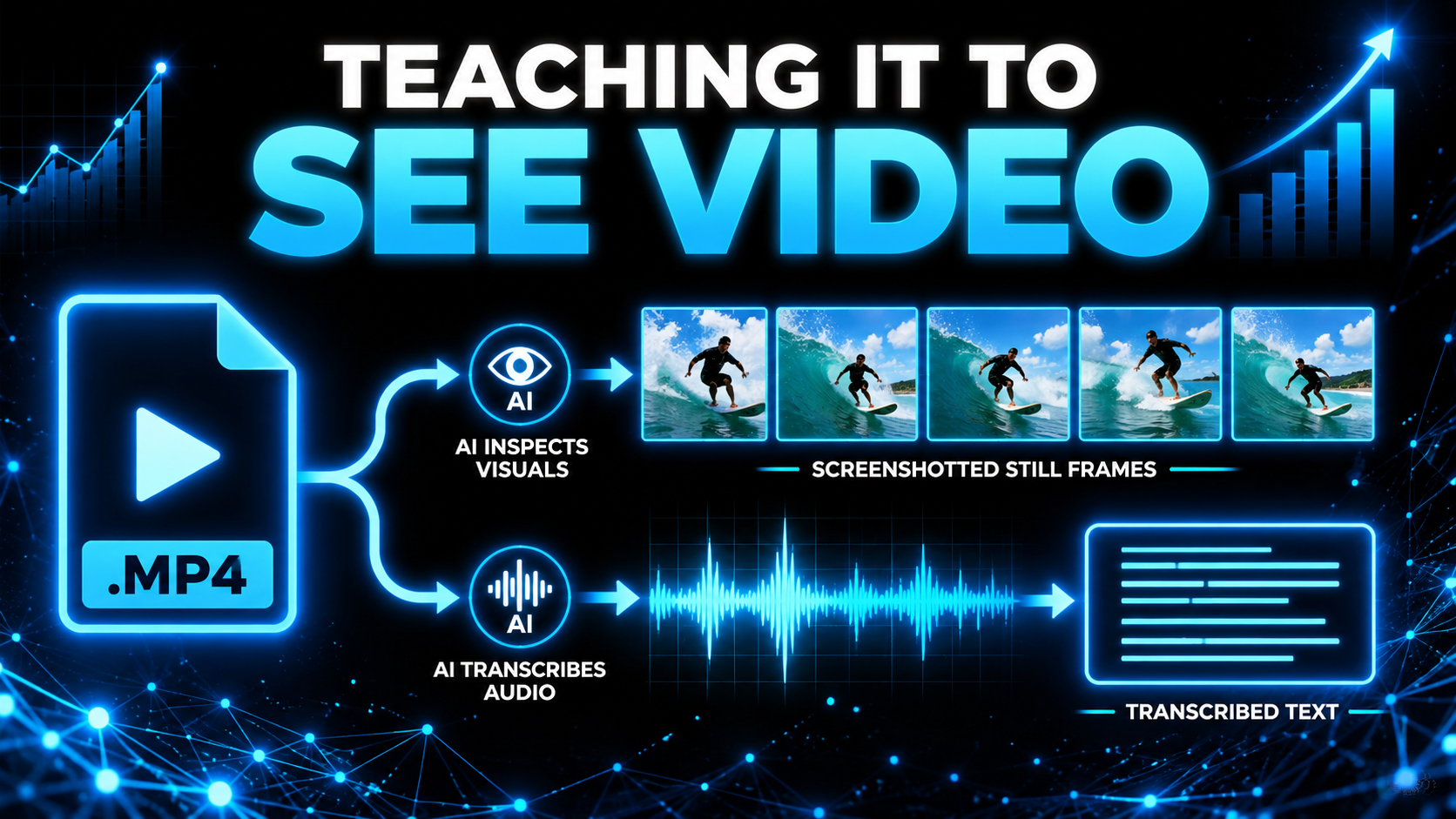
The instructions had it visually verify the footage frame by frame, screenshot the important parts to actually look at them, and transcribe the audio into a markdown file it could then read and interpret. And just like that, my team went from "our AI agents can't touch video" to "our AI agents break down and analyze video no problem." Same tool. One new skill. Whole new ability.
And I've got a pile of them
Once you see it, you can't unsee it. I have skills for all kinds of stuff. I've got one that cleans up my desktop from the mountain of screenshots I take. I've got one that builds video proposals for me, because I genuinely hate writing proposals. I don't think anyone actually enjoys that. (If you do, hey, we're hiring. Seriously.) I just want to build things, so I taught the AI to do the part I hate.
The Mario analogy
Here's the mental model that makes it click. Think of Mario. Grab a fire flower and suddenly you can throw fireballs. Grab a superstar and you're invincible for a bit. Each power-up gives you a specific new ability you didn't have a second ago.
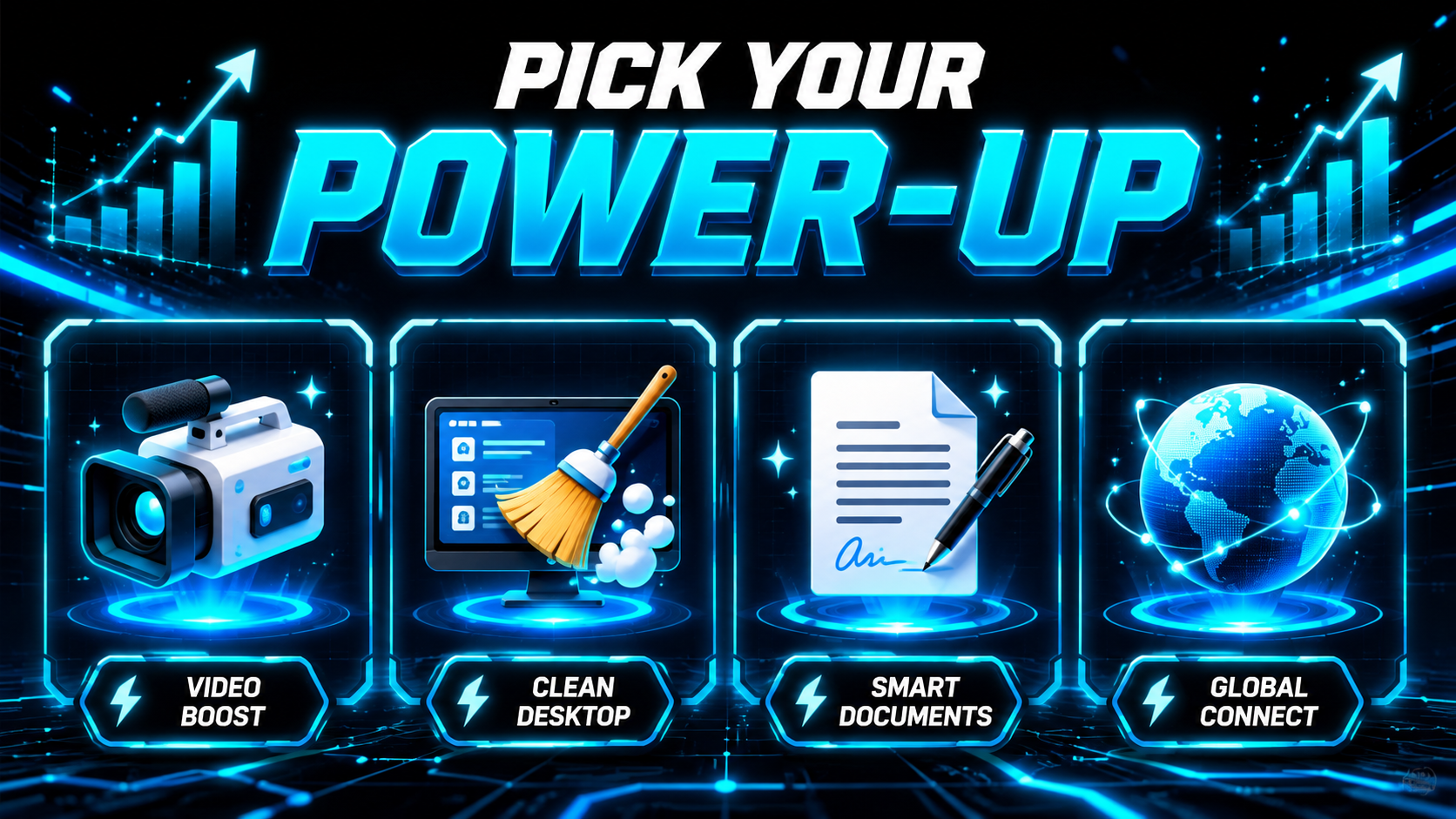
Skill files are exactly that for your AI. Each one hands your agent a different power. And there's a nearly endless supply of them, you can write a skill to make it do just about whatever you want. You're not stuck with what came in the box. You're building the box.
This is literally how I'm talking to you right now
Want proof this isn't theoretical? This very article. My AI executive assistant, Joe 3.5, is how it gets made. I record a voice memo, he transcribes it, and then he follows a skill file, step-by-step instructions, to turn that ramble into a written post and publish it straight to my website. The skill is the difference between "an AI that can chat about blogging" and "an AI that actually publishes the blog."
The part that really matters
Here's where it goes from handy to powerful. A skill file can also include how to use an API. Quick translation: an API is just the doorway one piece of software uses to talk to another. So a skill can teach your AI agent how to reach into your other systems and actually do things there, pull data, update a record, kick off a workflow.
That's the whole ballgame, and it ties directly to something I wrote about: the next trillion-dollar company is going to be a platform AI can actually use. Skills are a huge part of how that happens. They're the instructions that let AI stop just talking and start interfacing with the real tools your business runs on.
The takeaway
Stop thinking of your AI as a fixed thing you either like or don't. It's a character you can keep leveling up. Every skill file is another power-up, another ability bolted on, another task you never have to do again. Figure out the parts of your work you hate or keep repeating, and start writing skills for them.
Grab the fire flower. Then go build something.
Want an AI that actually has the right skills for your business?
We build the agents and the skills that plug straight into your systems and do real work. That's what we do at HyppoAI.
Want to talk about what you're building?
Get in touch