On Architecture

Most AI website builders are just a single API call, which is exactly why they spit out slop. Here's the system I built instead, on the Claude Agent SDK, wired to real repos, my SEO frameworks, HyppoCRM lead forms and live Google review embeds, and why architecture is the difference between a clever demo and software that actually scales.
Let's start with something you've probably seen: the AI website builder. Type a sentence, get a website. Magic, right?
It's slop. And the reason it's slop is the whole point of this article.
Why most AI site builders produce garbage
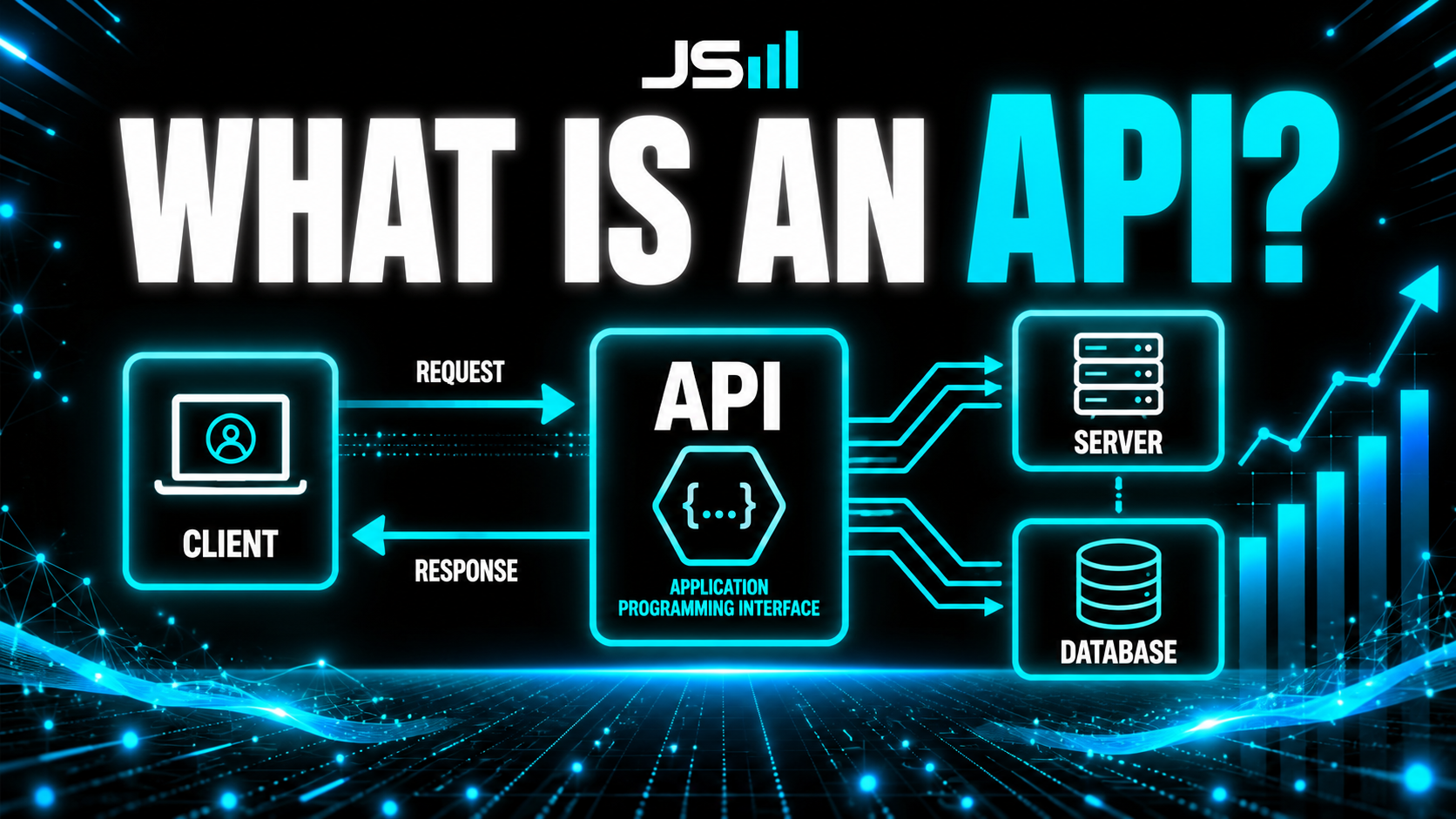
Peek under the hood of almost any "AI website builder" and you'll find the same thing: your prompt gets stuffed into a single API call to OpenAI or Anthropic, and whatever comes back is your website. That's it. One prompt in, one blob of generic HTML out.
So of course it looks like slop. You asked a model with zero context about your business, your brand, or what actually ranks on Google to freestyle a site in one shot. It has nothing to work with, so it hands you the average of everything it's ever seen. Beige. Forgettable. The website equivalent of elevator music.
That's not an AI problem. That's an architecture problem.
What I built instead
Here's the system I actually built. It runs on the Claude Agent SDK, and instead of being one lonely API call, it's an agent with hands.
It's wired into real GitHub repos and live Vercel projects, so it can actually look at how working sites are built, the structure, the components, how the thing behaves, not just guess from memory. My SEO frameworks live in its memory, so it doesn't just "write a site," it builds one designed to rank. And the visual preferences I've refined over dozens of builds are baked in, so the output looks like my work, not a stock template.
Same underlying model everyone else is using. Completely different result. The difference isn't the AI. It's everything I built around the AI.
One is a prompt. The other is a system. That gap is architecture.
The same system builds our clients' sites
And this isn't just my personal site. It's what we ship clients, and the architecture is exactly where the value shows up.
Because the site is wired straight into HyppoCRM, the builder can generate forms directly from the CRM. A lead fills out a form on the website and it's pumped straight into the client's CRM. No copy-paste, no Zapier duct tape, no lead rotting in some inbox. The website and the system that runs the business are the same thing.
Same story with Google reviews. We've got the architecture set up against Google's review API, so the builder can embed a client's real reviews right on the page, live. Not a screenshot somebody has to swap out by hand. It just pulls them.
None of that is possible if your "builder" is one API call. Those features exist because the system was designed to have them.
Architecture is just deciding how the pieces fit
Strip away the jargon and software architecture is one question: how do the pieces of this thing fit together, and what happens when it grows?
A single API call has no architecture. It's a light switch. It works right up until you want it to do anything real, and then it doesn't, and you can't fix it, because there was never any structure there to begin with.
Good architecture gives every piece a job. The agent handles the reasoning. The repos hold the real code. The memory holds the knowledge. The frameworks hold the rules. Each part can be improved on its own without blowing up the rest. That's not academic. That's the difference between a system you can grow and a hack you'll be ripping out in six months.
The right amount of architecture
Now, fair warning: more complexity is not the goal either. Piling on architecture for its own sake is its own kind of slop, over-engineered, fragile, impossible for anyone to work on. Too simple hands you the one-prompt toy. Too complex hands you a machine nobody can maintain.
The whole skill is landing in the middle. Aristotle called it the golden mean, the virtue sits between too much and too little, and software is no different. Enough structure to scale, not so much that it buckles under its own cleverness. The right amount, for the job in front of you.
Build it to scale, or build it twice
Here's the principle I keep coming back to: build it so it can grow, or you'll build it again.
The quick hack always feels faster on day one. One prompt, one call, ship it. But the second you need it to do more, more clients, more edge cases, more complexity, the hack folds and you're starting over. The system that was designed to scale just keeps going. You add to it instead of rebuilding it.
Own your data. Own your systems. Give every piece one clear job. Design for the version of this that's ten times bigger than it is today. None of that is glamorous, and all of it is why some software quietly compounds while other software collapses under its own weight.
So yeah, the AI website builder makes slop. Not because the AI is dumb, but because nobody built a real system around it. Architecture is the difference between a clever demo and something that actually works, and keeps working. That's the part I genuinely love.
Want it built right?
If you'd rather have real systems than clever demos, that's exactly what we do at HyppoAI.
Want to talk about what you're building?
Get in touch