It's Not You, Lovable. It's Your Moat.
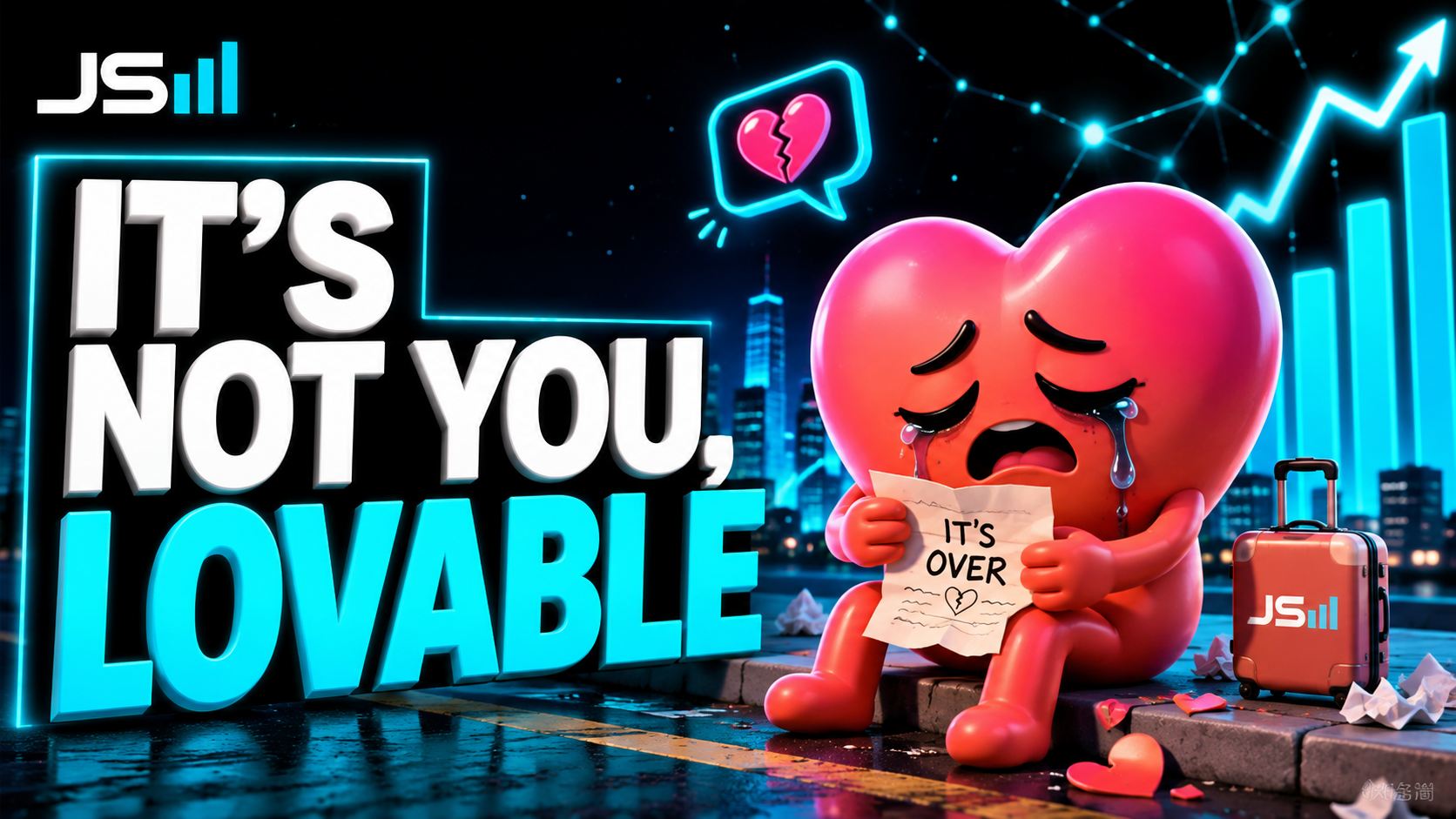
I said the AI receptionist companies lost their moat when OpenAI made the hard part easy. Now it's the vibe-coding builders' turn: Lovable, Replit, Cursor, Base44. Their whole value was stitching GitHub, Vercel, and Supabase together and handing you a working app. That convenience was the product. But Claude Code and Codex now do that same assembly for you, and better, so the markup people paid for is exactly what they stop paying for. They're not dead, they've got distribution. But here's the lesson: if a fast-moving AI can absorb your whole product as a feature in three months, you don't have a moat. You have a demo. Build the platform AI comes to, not the wrapper it replaces.
A little while ago I wrote that the AI receptionist companies, Vapi, Retell, Synthflow, just lost their moat. OpenAI's advancements made the hard part easy, and once the hard part is easy, the thing you were charging for evaporates.
Time to break some more hearts. The exact same thing is happening to the vibe-coding app builders: Lovable, Replit, Cursor, Base44. And since Lovable literally has a heart for a logo, I'm sorry, buddy, but you made yourself the easiest target in the room.
Remember the craze
For a stretch there, everybody and their cousin wanted to build an app with Lovable. The pitch was intoxicating: describe what you want, watch it appear, no engineers required. AI coding was half the vibe of 2025.
Quick bit of honesty, because I actually used this stuff early. I tried Lovable when it first came out in early 2025, and it was, to put it kindly, garbage. It barely understood what a database even was. It couldn't handle user logins. I couldn't get it to build a working login screen for a dead-simple app. That's normal, by the way, most new tech is rough at launch and figures it out later. But that was the novelty phase, and novelty is not a moat.
So what were you actually paying for?
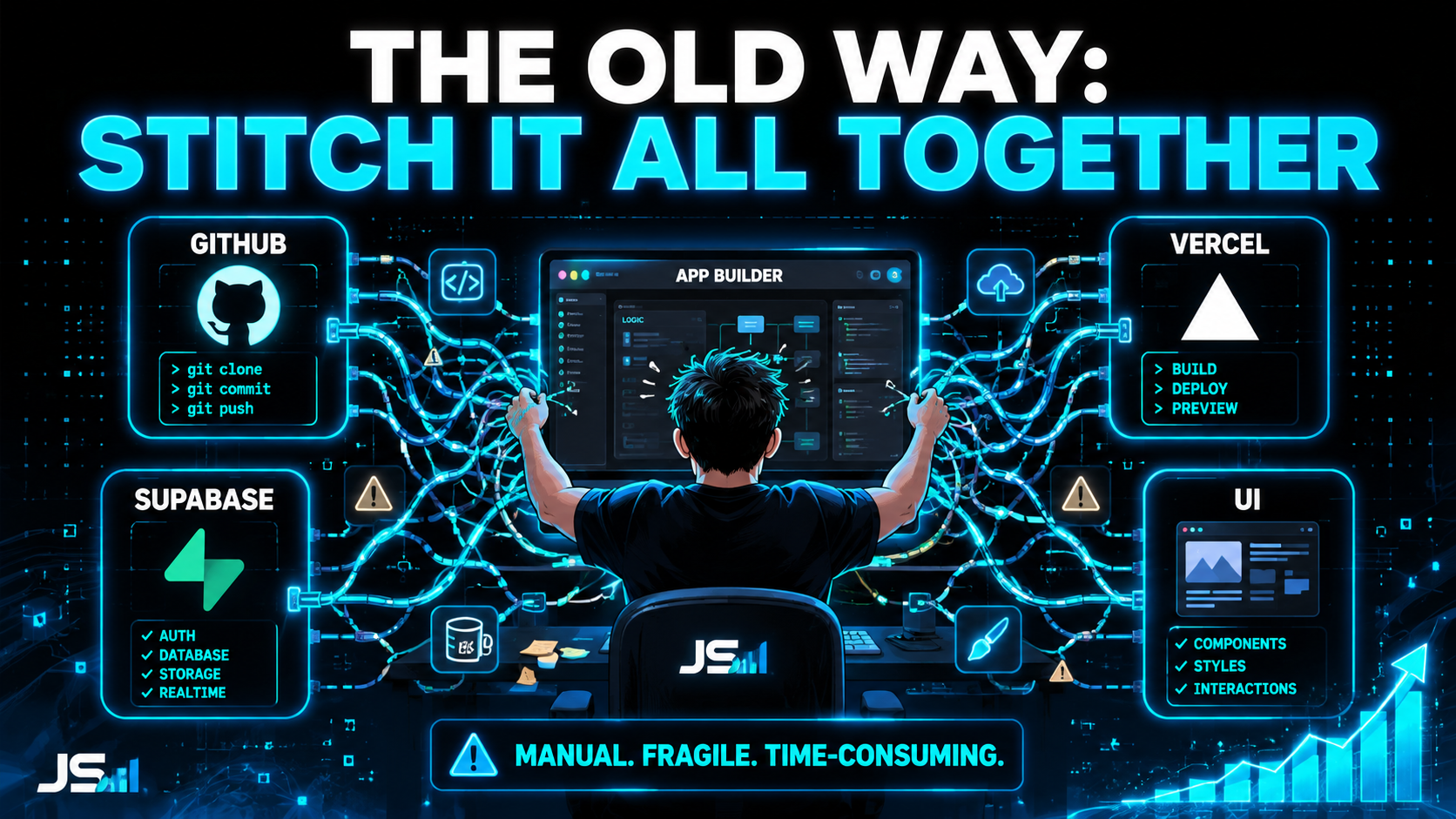
Here's the thing to understand, and I'll keep it human for the non-engineers. Building even a simple app normally means wiring together a few separate services. Three big ones:
- GitHub is where your code lives. Think Google Docs, but for code: it saves every version, keeps a full history, and lets a team work on the same project without clobbering each other's work.
- Vercel is what puts your app on the internet. You've written the code, but nobody can visit it yet. Vercel is the "publish" button that takes your app and makes it live, fast, and reachable at a real web address.
- Supabase is the backend and database. It's where all your app's actual data lives, your users, their logins, their records, and it handles signing people in securely.
Setting all that up yourself is fiddly. So Lovable's entire value proposition was: don't worry about any of it. We'll wire up GitHub, Vercel, Supabase, all of it, and hand you a working application. That convenience was the product. That was the moat.
Then the market moved under their feet
Here's the problem. Tools like Claude Code and Codex, the AI coding tools serious builders actually use, have gotten to the point where they do all that stitching for you too. And frankly, they do it better, with real control over the result instead of a pretty box you can't open.
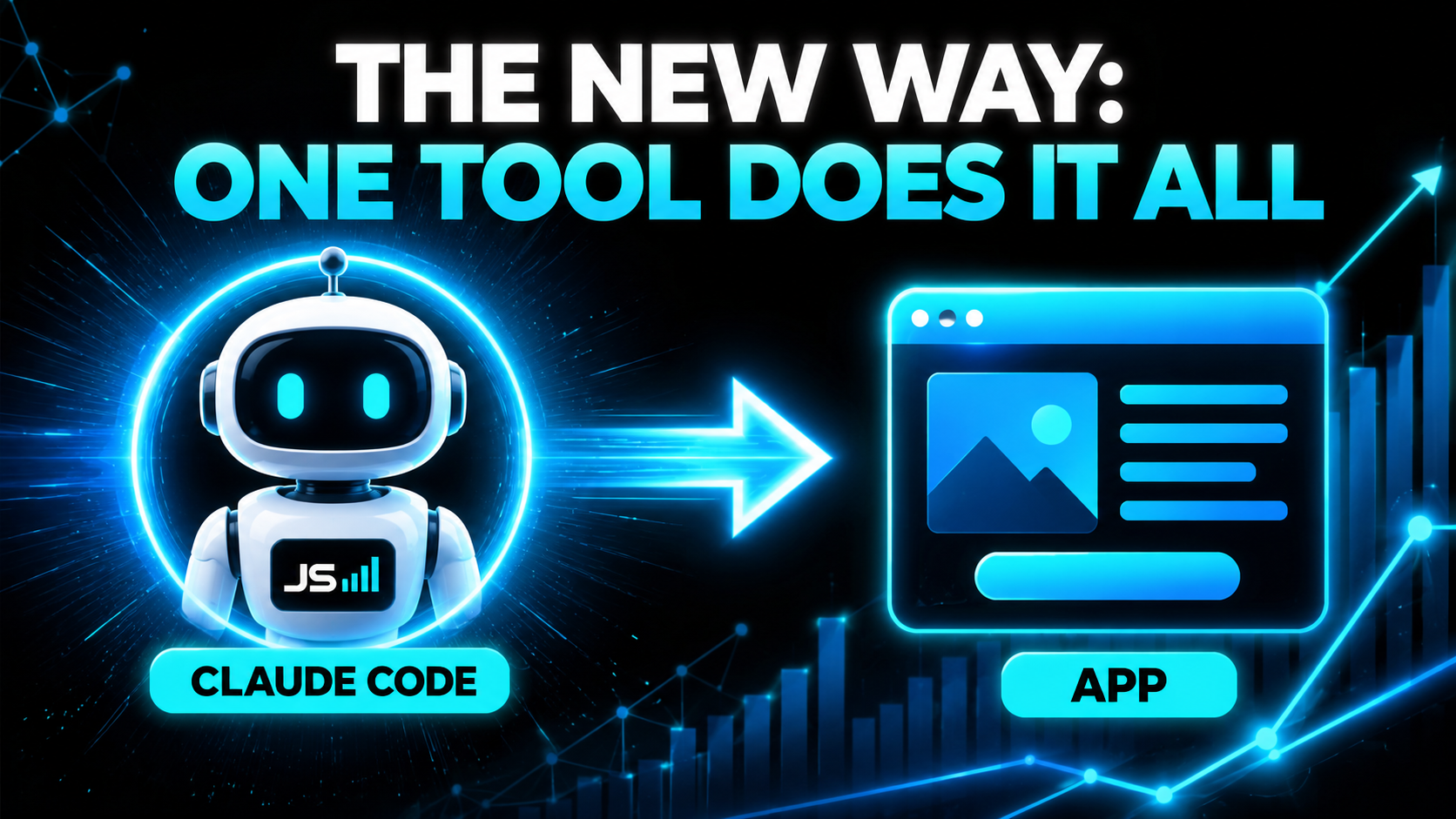
It's the same story as the voice AI companies, beat for beat. Vapi's whole value was stitching together telephony, speech-to-text, an LLM, and text-to-speech. Lovable's whole value was stitching together GitHub, Vercel, Supabase, and a friendly interface on top. In both cases the moat wasn't the individual parts. It was doing the annoying assembly for you. And the moment a general-purpose AI tool learned to do that assembly, the moat drained out.
Follow the money and it gets even clearer. The way Lovable and the rest make their margin is by marking up the credits they sell you, you're paying a premium for the convenience layer. But when Claude Code can do the same assembly directly, that convenience layer, and the markup riding on it, is exactly what people stop paying for. The architecture required to build one of these shrank, which means it's no longer hard, which means it's no longer a moat.
To be fair, they're not dead
Same caveat I gave the voice guys. Lovable, Replit, Cursor, Base44, they're not vanishing next week. They've got distribution, brand, real users, momentum. That buys time. But their unique edge erodes a little every month, and over time I think a lot of users drift toward Claude Code and its cousins, because why pay a markup for assembly you can just get directly.
The actual lesson here
This is the part I really want you to sit with, whether you're a founder or an investor. If you're building a company whose entire product is something a fast-moving AI will simply absorb as a feature three months from now, you don't have a moat.
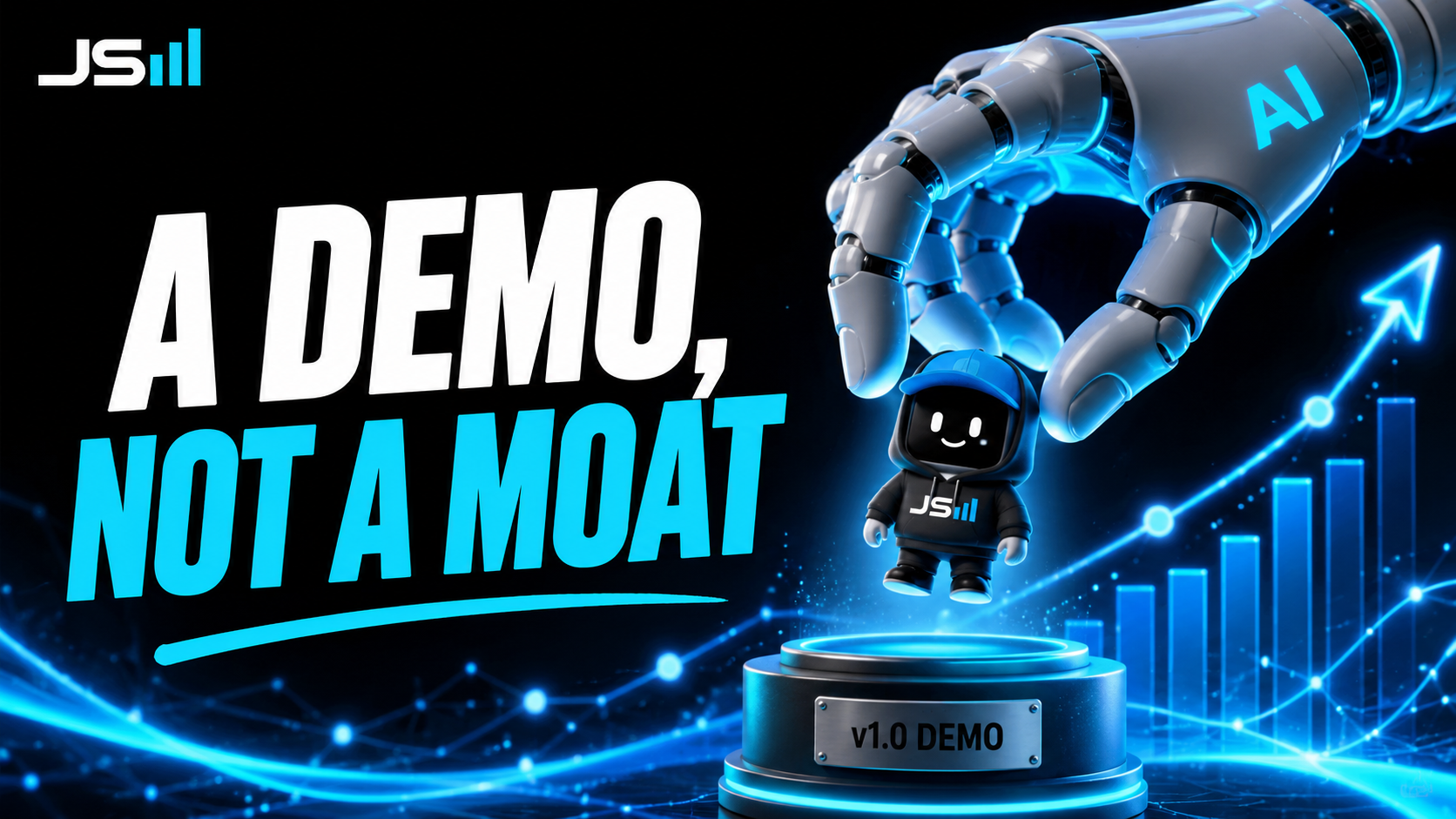
You have a demo. Something cute and impressive for a season, right up until OpenAI or Anthropic ships an update and quietly borrows the whole thing. A convenience wrapper is a feature waiting to be eaten.
So what actually survives? Not a wrapper. A platform, real infrastructure that AI needs to interface with and take action through, something with its own data, its own network, its own reason to exist that a model can't just regenerate on a whim. That's the whole argument I made in The Next Trillion-Dollar Company Is a Platform AI Can Actually Use. Build the thing the AI comes to, not the thing the AI replaces.
The takeaway
I'm not dancing on anyone's grave. Lovable made building more accessible, and that's genuinely good for the world. But accessibility was never defensible, and defensibility is the entire game. When your moat is "we did the annoying setup for you," you are one AI update away from irrelevance.
So it's not personal, Lovable. It really is the moat. Or, more precisely, the lack of one.
Building something that lasts longer than the next model update?
We build real platforms and infrastructure, the stuff AI plugs into, not the stuff it eats. That's what we do at HyppoAI.
Want to talk about what you're building?
Get in touch